


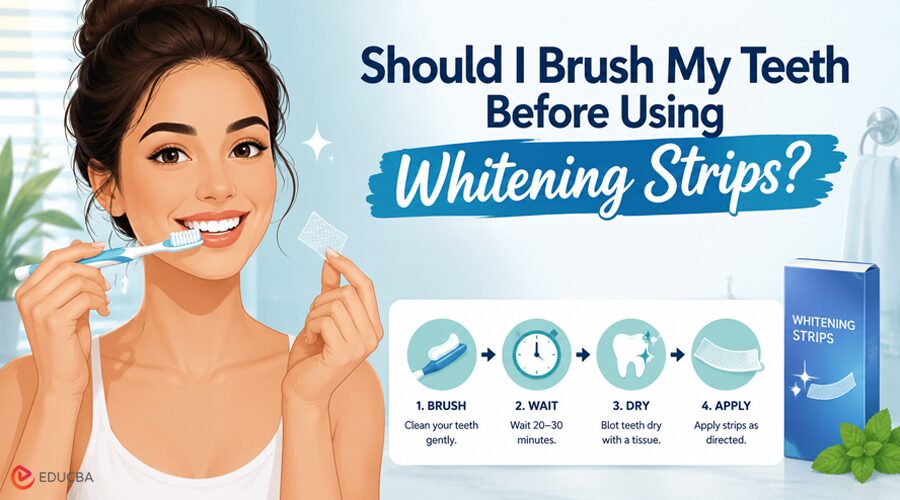
Yes, you should brush your teeth before using whitening strips, but you should not brush immediately before applying them. Brush gently, wait about 20 to 30 minutes, dry your teeth, then apply the strips so the whitening product can sit evenly against clean enamel.
That timing matters because whitening strips work best when they can make direct contact with the tooth surface. Plaque, food particles, and excess saliva can get in the way, leading to less even results. At the same time, brushing too hard right before whitening can make your gums more sensitive.
The best routine is simple: clean your teeth first, give your mouth time to settle, dry the tooth surface, and follow the instructions for the whitening strip carefully. Product choice also matters, especially if your teeth are sensitive. Some people prefer traditional peroxide-based strips, while others look for peroxide-free options, such as Lumineux Whitening Strips from Lumineux Health, as part of a gentler whitening routine. The same rule still applies: brush first, wait, then whiten.
Key Takeaways
- Brush before whitening strips, but wait 20 to 30 minutes before applying them.
- Do not brush aggressively right before whitening, as this may increase gum irritation.
- Dry teeth help strips stick better and make more even contact.
- You can brush after removing the strips, but rinse first and brush gently.
- If you have sensitive teeth, choose whitening products carefully and avoid overusing them.
The Best Rule: Brush First, Wait, Then Whiten
The best whitening strip routine is to brush first, wait, then apply the strips. Brushing removes plaque and food debris, allowing the whitening product to reach the tooth surface more evenly.
However, brushing immediately before whitening is not ideal. Freshly brushed gums can be more reactive, especially if you brush too hard, use a firm toothbrush, or already have gum sensitivity. When whitening gel comes into contact with irritated gum tissue, it can cause stinging, burning, or discomfort.
A practical routine looks like this:
Brush gently with a soft-bristled toothbrush. Wait 20 to 30 minutes. Blot the front teeth dry. Apply the whitening strips as directed.
This gives you the benefit of clean enamel without placing whitening ingredients on gums that may be temporarily irritated.
Why You Should Not Brush Immediately Before Whitening Strips?
You should not brush immediately before using whitening strips because brushing can make the gumline more sensitive. Even normal brushing creates friction around the soft tissue near your teeth. If you brush hard, that irritation can be stronger.
Whitening strips are designed for teeth, not gums. When the strip overlaps the gumline or the whitening gel spreads onto soft tissue, irritation becomes more likely. This is why careful placement matters.
The issue is not brushing itself. Brushing is helpful because it removes buildup before whitening. The issue is timing. You want your teeth clean, but you also want your gums calm before the whitening product goes on.
If you often experience tooth sensitivity, gum tenderness, or discomfort from whitening products, give yourself more time between brushing and whitening.
How Long After Brushing Should You Use Whitening Strips?
You should usually wait about 20 to 30 minutes after brushing and before using whitening strips. If your teeth are sensitive or your gums feel tender, wait at least 30 minutes, or longer.
This waiting period gives your mouth time to settle after brushing. It also helps reduce the chance that whitening gel will irritate freshly brushed gum tissue.
The exact timing may vary by product, so always follow the directions on your whitening strip packaging. Some products may have specific instructions for brushing before or after use. When in doubt, use the product directions as your main guide.
Should Teeth Be Dry Before Applying Whitening Strips?
Yes, teeth should be dry before applying the strips. Dry teeth help the strips stick better and stay in place.
If your teeth are too wet, the strips may slide, wrinkle, bubble, or lift at the edges. That can prevent the whitening product from sitting evenly against the enamel. Uneven contact can lead to uneven whitening.
To dry your teeth, gently blot the front surfaces with a clean tissue before applying the strips. Do not rub your gums or scrape your teeth. You only need to remove excess saliva so the strips can adhere smoothly.
This simple step can help the strips stay in place more effectively.
Can You Brush Your Teeth After Using Whitening Strips?
Yes, you can brush your teeth after applying whitening strips, but brush gently. A safer routine is to remove the strips, rinse your mouth with water, then brush lightly only if needed.
If your teeth feel sensitive after whitening, wait before brushing. Use a soft-bristled toothbrush and avoid scrubbing. A fluoride toothpaste can be a better choice than an abrasive whitening toothpaste right after a whitening session.
The goal after whitening is not to aggressively polish your teeth. The goal is to remove leftover gel and keep your mouth comfortable.
If you use whitening toothpaste as part of your routine, use it during your normal brushing schedule rather than scrubbing immediately after a strip session. A consistent, gentle routine is usually better than a harsh one.
What Happens If You Forget to Brush Before Whitening Strips?
If you forget to brush before whitening strips, it is usually not dangerous. The bigger issue is that your results may be less even.
Plaque, food debris, and a film of saliva can sit between the whitening product and the enamel. If the strip cannot make direct contact with the tooth surface, the whitening effect may be weaker in some areas.
Do not try to fix one missed step by leaving the strips on longer or using an extra treatment. Excessive whitening can harm your teeth and gums.
Just return to the correct routine next time. Whitening works best with consistent, correct use, not with extra sessions or longer wear times.
Product Choice Matters If You Have Sensitive Teeth
Product choice matters if your teeth are sensitive or your gums react easily to whitening products. Some people do well with traditional whitening strips, while others prefer gentler options.
If sensitivity is a concern, look for strips designed with enamel comfort in mind and follow the directions closely. Lumineux Whitening Strips are one example of a peroxide-free option, but the main rule remains the same: brush first, wait before applying the strips, and avoid overusing whitening products.
The best whitening routine is not always the strongest one. It is the one that works consistently without making your teeth or gums feel uncomfortable.
Whitening Strips vs. Whitening Toothpaste vs. Whitening Mouthwash
Whitening strips, whitening toothpaste, and whitening mouthwash do different jobs.
Whitening strips sit directly on the teeth for a set amount of time. This direct contact is why timing, tooth dryness, and strip placement matter so much.
Whitening toothpaste is used during brushing. Depending on the formula, it may help remove surface stains and maintain a cleaner-looking smile between whitening sessions.
Whitening mouthwash can support a broader oral care routine, but it should not be used as a reason to over-whiten. If your mouth feels sensitive, irritated, or dry, scale back and follow product directions carefully.
For the best results, think of whitening as a routine rather than a shortcut. Clean teeth, correct timing, good adhesion, and consistent use matter more than rushing the process.
Best Step-by-Step Routine for Whitening Strips
Use this routine if you want a cleaner application, better comfort, and more even whitening:
- Brush gently with a soft-bristled toothbrush.
- Floss if food is stuck between the teeth.
- Wait 20 to 30 minutes before whitening.
- Gently blot the front teeth dry with a tissue.
- Apply the strips carefully along the teeth, not the gums.
- Press the strips smoothly into place.
- Wear them only for the recommended time.
- Remove the strips and rinse your mouth.
- Brush gently later if needed.
- Avoid coffee, tea, red wine, dark soda, and deeply colored foods right after whitening.
Evening is often a good time to use these strips because it is easier to avoid staining foods and drinks afterward. Water is fine, but dark or acidic drinks are better saved for later.
Should You Floss Before Whitening Strips?
Yes, you can floss before using strips if food is stuck between your teeth. Flossing can help remove debris that brushing may miss.
However, avoid rough or aggressive flossing right before whitening. If you snap floss into the gums or make the gumline bleed, whitening may feel more irritating.
The best approach is to floss gently before brushing, brush softly, wait 20 to 30 minutes, then apply the strips. This keeps the teeth clean without making the gums more reactive.
Following this structured routine ensures that the active whitening gel maintains direct, even contact with your enamel rather than sitting on top of lingering plaque. According to this expert dental implants in Flushing NY, protecting your gum tissue from unnecessary sensitivity allows for a much more comfortable and successful cosmetic treatment.
Can You Eat or Drink After Whitening Strips?
After using strips, it is best to avoid dark, acidic, or staining foods and drinks for a while. Coffee, tea, red wine, cola, tomato sauce, soy sauce, berries, and deeply colored juices can all contribute to surface staining.
Water is the safest choice immediately after whitening. If your teeth feel sensitive, avoid very cold drinks for a short time.
You do not have to follow an extreme diet, but it makes sense to avoid the most stain-heavy foods and drinks right after whitening. This is another reason evening whitening can be practical.
Who Should Be Extra Careful With Whitening Strips?
Some people should be more cautious with whitening strips. This includes anyone with sensitive teeth, gum recession, exposed roots, cavities, enamel erosion, cracked teeth, gum disease, or recent dental work.
You should also ask a dentist before whitening if you have crowns, veneers, bonding, bridges, implants, or tooth-colored fillings on visible teeth. Whitening products work on natural tooth structure, not restorations. If your natural teeth whiten but your dental work stays the same shade, your smile may look uneven.
If you are pregnant, breastfeeding, a teenager, or currently in orthodontic treatment, it is also best to get professional guidance before starting a whitening routine.
Common Mistakes to Avoid
The most common mistake is brushing too hard right before applying strips. This can irritate the gums before whitening even begins.
Other mistakes include applying strips to wet teeth, leaving them on longer than directed, using them more often than recommended, whitening over untreated dental problems, and expecting crowns or veneers to whiten.
Another common mistake is choosing the strongest whitening option without considering sensitivity. For some people, a gentler product may be a better fit than a harsh routine, especially if they want gradual whitening with a more comfort-focused approach.
Final Thoughts
Brush your teeth first, but wait a bit before using the strips. Brush gently, wait 20 to 30 minutes, dry your teeth, then apply the strips as directed.
Clean enamel helps the strips work more evenly. Calm gums help reduce irritation. Dry teeth help strips stay in place.
If sensitivity is a concern, choose whitening products carefully and avoid overusing them. The best whitening routine is not the most aggressive one. It is the one you can use correctly, comfortably, and consistently.
Recommended Articles
We hope this guide helps you understand the right timing, proper technique, and best practices for safe and effective teeth whitening. Explore the recommended articles below for more insights on oral care routines, whitening methods, dental hygiene tips, and managing tooth sensitivity.

