


Walls are one of the most visible and frequently used parts of any home, yet they are also among the easiest to damage. From minor dents from daily use to larger holes and cracks caused by accidents or structural movement, drywall issues are almost inevitable. This is why drywall repair is a critical aspect of home maintenance that every homeowner should understand. While drywall is a cost-effective and versatile material, it is not designed to withstand heavy impact or prolonged exposure to moisture.
Over time, even small imperfections can grow into more serious problems if left untreated. A small crack can expand, a minor hole can worsen, and water damage can compromise the integrity of the entire wall. The good news is that drywall repair, when done correctly, can restore your walls to a smooth, seamless finish that looks as good as new. Whether you are dealing with cosmetic issues or more significant damage, understanding the process and knowing when to act can save both time and money.
Understanding Drywall and Its Vulnerabilities
Builders widely use drywall, also known as gypsum board, in residential and commercial construction because it is lightweight, affordable, and easy to install. It provides a clean, smooth surface that people can paint or finish in various ways. However, drywall has its limitations. It is relatively soft compared to materials like plaster or concrete, making it prone to dents and scratches. It is also sensitive to moisture, which can weaken its structure and cause swelling, staining, and mold growth. These vulnerabilities make drywall repair an essential skill or service for maintaining your home’s overall condition.
Common Types of Drywall Damage
Not all drywall damage is the same, and identifying the type of issue is the first step toward effective repair.
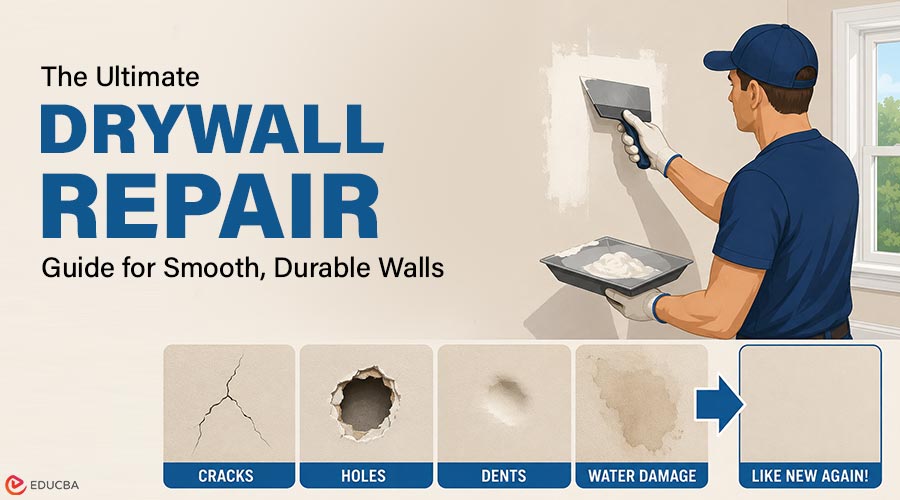
- Nail Holes and Small Dents: Small nail holes are among the most common drywall issues, often caused by hanging pictures, shelves, or decorations. Although minor, these imperfections can affect a wall’s appearance if left untreated.
- Drywall Cracks: Cracks usually result from natural house settling, changes in humidity, or temperature fluctuations. Small cracks are often cosmetic, but larger cracks may signal deeper structural concerns that require professional drywall repair.
- Medium-Sized Holes: Medium holes are often caused by accidental impacts, such as furniture or door handles striking the wall. These repairs usually require drywall patching and joint compound.
- Large Holes in Drywall: Large holes generally require replacing a section of drywall rather than simple patching. This type of drywall repair is more complex and often benefits from professional expertise.
- Water-Damaged Drywall: Water damage is one of the most serious drywall problems. It can lead to discoloration, soft spots, peeling paint, and mold growth. Effective drywall repair must include fixing the moisture source before restoring the wall.
Why Timely Drywall Repair Matters?
Many homeowners delay drywall repair because the damage appears minor. However, neglecting these issues can cause more serious problems over time. First, damaged drywall affects your home’s appearance. Even small imperfections can make a space look neglected or poorly maintained. Second, untreated damage can worsen. Cracks can spread, holes can enlarge, and moisture can lead to structural issues. Third, drywall serves as insulation and protection. Damaged sections can reduce energy efficiency and expose your home to further wear. By fixing drywall issues early, you can preserve both the appearance and functionality of your living space.
The Drywall Repair Process Explained
Drywall repair may seem straightforward, but achieving a smooth, professional finish requires attention to detail. The process typically begins with preparing the damaged area. This involves cleaning the surface and removing any loose material to ensure proper adhesion. Next, you apply the appropriate repair method. For small holes, you may fill the area with joint compound. For larger holes, you can use a patch or a replacement piece of drywall. Once the repair material is applied, it is smoothed out to match the surrounding surface. This step is essential for a smooth, seamless finish. After the compound dries, the area is sanded to remove any unevenness. This creates a smooth surface that blends with the rest of the wall. Finally, you can prime and paint the repaired section to match the existing wall color. When done correctly, the repair should be virtually invisible.
Tools and Materials Used in Drywall Repair
Achieving high-quality drywall repair requires the right tools and materials. While specifics may vary by type of damage, some essentials are commonly used. Joint compound is the primary material for filling and smoothing damaged areas. It provides a durable and smooth finish. A putty knife helps apply and spread the compound evenly. Different sizes may be needed for different types of repairs. Sandpaper is essential for smoothing the surface after the compound has dried. Proper sanding ensures a seamless finish. For larger repairs, drywall patches or replacement panels are used. These provide structural support and restore the wall’s integrity. Using the correct tools not only improves the quality of the repair but also makes the process more efficient.
DIY vs Professional Drywall Repair
Homeowners often wonder whether to repair drywall themselves or hire a professional. For minor damage such as small holes or dents, DIY drywall repair can be a budget-friendly option. With basic tools and some patience, these repairs can be completed successfully. However, DIY work often falls short of achieving a flawless finish. Uneven surfaces, visible patches, and mismatched paint are common problems. Professional drywall repair, on the other hand, offers a higher level of precision and quality. Experienced professionals have the expertise and tools to complete complex repairs with seamless results. For larger damage, water issues, or situations where appearance is critical, hiring a professional is usually the better choice.
Cost of Drywall Repair
The cost of drywall repair depends on factors such as the severity of the damage, material needs, and labor costs. Minor repairs are generally inexpensive and can often be completed quickly. Larger repairs, especially those involving structural issues or water damage, may require a higher investment. While cost is an important consideration, long-term value is equally important. A well-executed repair can prevent future issues and maintain your home’s value.
Preventing Drywall Damage
While some damage is unavoidable, you can take steps to minimize the need for drywall repair. Using door stoppers can prevent handles from hitting walls. Being careful when moving furniture can reduce the risk of dents and scratches. Regular inspections help detect issues early, allowing for quick and simple repairs. Addressing moisture problems promptly is especially important. Fixing leaks and maintaining proper ventilation can prevent water damage and mold growth.
Modern Techniques in Drywall Repair
Advancements in materials and tools have made drywall repair more efficient and effective. Quick-drying compounds allow for faster repairs, reducing waiting time between steps. Self-adhesive patches simplify fixing small holes, making repairs more accessible for homeowners. Dust-free sanding systems improve cleanliness and reduce mess, making the process more convenient. These innovations have made it easier to achieve professional-quality results.
When to Call a Professional?
While you can handle many drywall issues with basic tools and techniques, some situations require professional help. Experienced professionals should always address extensive damage, water-related issues, or structural concerns. If you are unsure about the extent of the damage or the best approach to repair, consulting a professional can save time and prevent further complications.
Final Thoughts
Drywall repair plays a key role in maintaining a clean, functional, and visually appealing home. From minor dents to major structural issues, promptly addressing damage helps keep your walls in excellent condition. While you can often handle minor repairs as DIY projects, complex issues require professional expertise to achieve the best results. By understanding the repair process and taking preventative measures, homeowners can reduce the need for frequent repairs and maintain the quality of their living spaces. In the end, smooth and well-maintained walls are more than just a design feature; they reflect the care and attention invested in your home.
Recommended Articles
We hope this comprehensive guide to drywall repair helps you maintain smooth, durable, and visually appealing walls in your home. Check out these recommended articles for expert tips, repair techniques, and home improvement strategies.

