


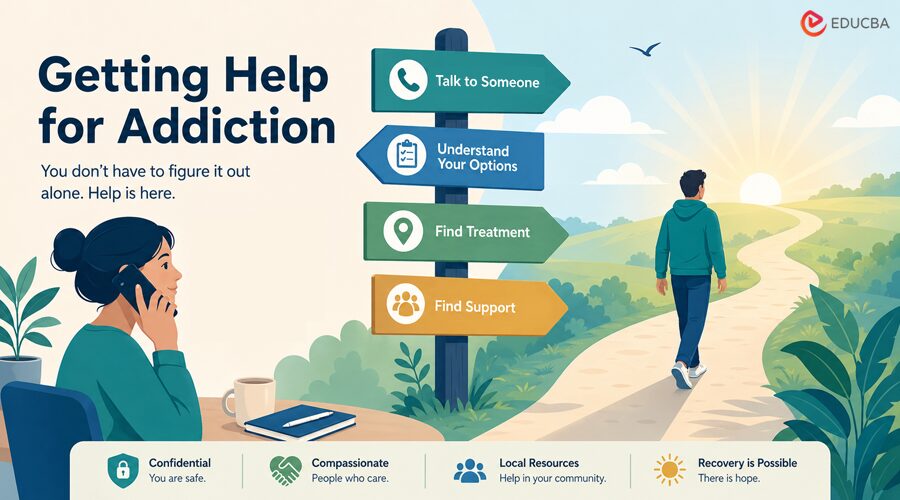
The internet on this topic is a maze. Search “addiction help,” and you will get a wall of treatment center ads, a few directories, some Reddit threads, and a quiet sense that you are being marketed to before you have even said what is wrong. That is a brutal way to start what might be the most important phone call of your life. Here is a cleaner map of how to get help for addiction, organized by where you are right now.
Getting Help for Addiction in a Crisis: Start Here
Skip everything else and call. The free, confidential 988 Suicide and Crisis Lifeline handles substance-use-related crises alongside mental health emergencies. SAMHSA’s National Helpline (1-800-662-HELP) is available 24/7 in English and Spanish, is free and confidential, and connects you to local treatment options.
These alcohol and drug addiction hotlines are not sales lines. Trained operators staff these lines, and they focus on connecting you to the next steps. You do not need to have insurance information ready, and you do not need to make any decisions beforehand. You simply need to call. If someone is overdosing or in immediate medical danger, that is 911. Naloxone is now available without a prescription in every state and can be carried by family members of anyone using opioids.
If You are Trying to Figure Out What is Actually Going On
Before choosing programs, get an honest assessment of the situation. People often overlook this step, but it plays a critical role in getting help for addiction.
A Primary Care Doctor
Most primary care doctors conduct initial substance use screenings, and many now provide medication-assisted treatment. This is often the lowest-friction starting point, particularly if you are not sure whether what you are dealing with warrants specialized care.
An Addiction Medicine Specialist
For more complex cases, ASAM (American Society of Addiction Medicine) maintains a directory of board-certified specialists. Their assessments are more detailed than primary care screening and yield specific recommendations for the level of care.
A Treatment Center Assessment
Many reputable centers, including American Addiction Centers, offer free phone assessments by clinically trained staff. Worth knowing: the assessment itself is useful information regardless of whether you ultimately choose that center.
If You are Looking for Treatment Options
A few resources that consistently outperform a generic Google search:
- SAMHSA’s Treatment Locator (findtreatment.gov) is a searchable database of licensed providers, filterable by level of care, payment options, and specialties
- State substance use agencies every state has one, and most maintain referral lists of programs they have vetted
- Your insurance company’s behavioral health line is usually a number on the back of your card, and often connects you to in-network providers faster than calling programs directly.
These tools simplify the process of getting help for addiction without overwhelming you.
Getting Help for Addiction When Cost Is a Concern
Cost is the question that stops many people from reaching out. However, getting help for addiction is more accessible than it may seem:
- Behavioral health and substance use treatment are essential health benefits under federal law, meaning most major insurance plans must cover them
- Every state has publicly funded treatment options for residents who qualify
- Many private centers offer sliding-scale fees, provide scholarship beds, and create payment plans that they do not advertise on their websites
- Mutual support groups, such as AA, NA, SMART Recovery, and Refuge Recovery, are free, available in most communities, and a meaningful part of long-term outcomes alongside or after clinical care.
Getting Help for Addiction as a Family Member
If you are a family member, your role in getting help for addiction is different but just as important. Al-Anon and Nar-Anon are free, peer-led support groups specifically for family members. They are not for the person using; they are for you. Family-focused therapy with a clinician trained in substance use disorder is also worth the investment, particularly during the period before a loved one has agreed to treatment. Many treatment centers offer free family consultations specifically for this stage, when you are trying to figure out what to say next and how to say it.
Frequently Asked Questions (FAQs)
Q1. Will calling a hotline create a record that follows me?
Answer: No. SAMHSA’s helpline is anonymous. You do not have to give your name or any identifying information.
Q2. What if I cannot afford treatment?
Answer: Call anyway. Hotlines and state resources specifically connect people to options that match their financial realities, including free programs.
Q3. How do I know which resource to start with?
Answer: If you are in crisis or unsure, start with 988 or SAMHSA’s helpline. They will route you appropriately. You do not have to figure out which door is right before you knock.
Recommended Articles
We hope this guide on getting help for addiction gives you a clear starting point and helps you navigate the first steps with confidence and clarity. Explore the recommended articles below to learn more about treatment options, recovery strategies, and long-term support resources.

