


What is FOMO Marketing?
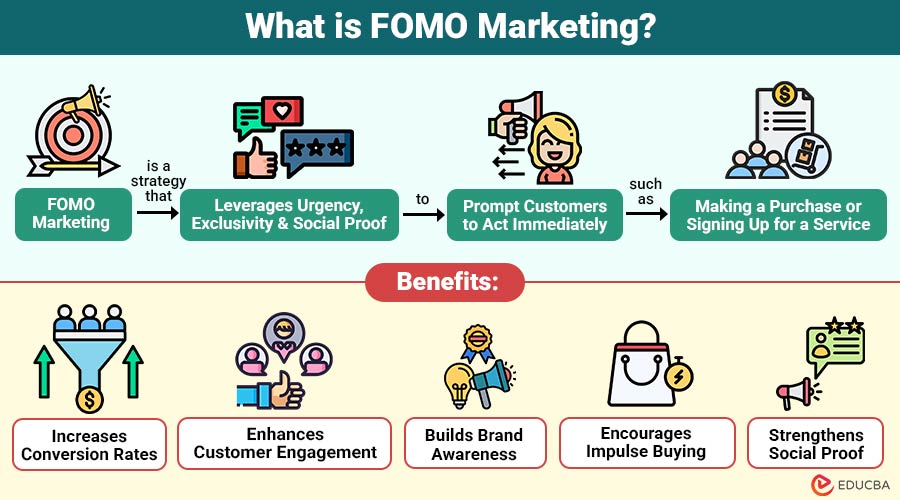
FOMO (Fear Of Missing Out) Marketing is strategy that leverages urgency, exclusivity, and social proof to prompt customers to act immediately, such as making a purchase or signing up for a service. It relies on the psychological principle that people are more likely to act when they believe they might miss out on a valuable opportunity.
Example: Limited-Time Sale
An e-commerce website displays the following: “Flash Sale – 50% OFF! Only for the next 2 hours.”
This creates urgency, making customers feel they must buy immediately or lose the deal.
Table of Contents:
Key Takeaways:
- FOMO marketing drives faster customer decisions by combining urgency, scarcity, and social proof to increase conversions.
- When used authentically, FOMO strategies build engagement and awareness while maintaining trust and long-term customer relationships.
- Overusing urgency tactics can create skepticism, reduce effectiveness, and impact brand credibility and customer trust levels.
- Combining FOMO techniques with real value, personalization, and timing ensures results and sustainable marketing success overall.
Key Elements of FOMO Marketing
The following are the core elements that make FOMO marketing effective in influencing customer behavior and decisions.
1. Scarcity
Customers are encouraged to act fast in order to prevent losing out on important possibilities since scarcity gives the impression that there is limited availability.
2. Urgency
Urgency emphasizes time-sensitive actions through deadlines, countdown timers, or flash sales, motivating customers to make faster purchasing or engagement decisions.
3. Social Proof
Social proof showcases the other customers’ actions, building trust and influencing decisions by demonstrating popularity, demand, and real user engagement.
4. Exclusivity
Exclusivity offers special access, deals, or privileges to selected users, making them feel valued and increasing their desire to participate or purchase.
5. Real-Time Updates
Real-time updates display live user activities, such as purchases or bookings, creating excitement and encouraging immediate action through dynamic engagement signals.
Types of FOMO Marketing
The following are the different types of FOMO marketing strategies used to create urgency and drive customer action.
1. Limited-Time Offers
Limited-time offers provide discounts or deals that expire quickly, encouraging customers to act fast before they miss out.
2. Low-Stock Alerts
Low-stock alerts display limited-inventory messages, prompting customers to purchase immediately out of fear of product unavailability soon.
3. Flash Sales
Flash sales are short-duration promotions that offer heavy discounts, motivating customers to make quick, impulsive purchases without delay.
4. Social Proof Notifications
Social proof notifications show recent customer activities, building trust and encouraging others to engage or purchase based on popularity.
5. Exclusive Access Campaigns
Exclusive access campaigns offer special deals or early entry to selected users, increasing engagement by making customers feel privileged.
6. Waitlists and Pre-orders
Waitlists and pre-orders build anticipation for upcoming products, increasing demand and encouraging early commitment from interested potential customers.
How Does FOMO Marketing Work?
FOMO marketing works by influencing consumer psychology. It leverages three key behavioral triggers:
1. Loss Aversion
Loss aversion means people fear losing opportunities more than gaining benefits, motivating quicker decisions to avoid missing valuable deals.
2. Herd Behavior
Herd behavior occurs when individuals follow others’ actions, trusting popular choices and feeling encouraged to engage or purchase like others.
3. Instant Gratification
Instant gratification drives customers to prefer immediate rewards, prompting faster action when offers promise quick benefits rather than delayed outcomes.
By combining these triggers, marketers can create campaigns that prompt users to make faster decisions.
Benefits of FOMO Marketing
The following are the key benefits of FOMO marketing, making it an effective strategy for driving business growth and engagement.
1. Increases Conversion Rates
Urgency and scarcity motivate customers to act quickly, reducing hesitation and significantly increasing conversions and overall sales performance for businesses.
2. Enhances Customer Engagement
Interactive elements such as countdown timers, live notifications, and alerts keep users actively engaged and encourage longer engagement with the platform.
3. Builds Brand Awareness
Viral campaigns, trending products, and shareable offers attract attention, increasing visibility and helping brands reach wider online audiences effectively.
4. Encourages Impulse Buying
Time pressure and limited availability prompt customers to make impulsive purchases, increasing sales without prolonged consideration or delays in decision-making.
5. Strengthens Social Proof
Displaying real-time user activity and reviews builds trust, credibility, and confidence among potential customers, positively influencing their online purchase decisions.
Limitations of FOMO Marketing
The following are the key limitations that businesses should consider when using FOMO marketing strategies.
1. Risk of Overuse
Excessive use of urgency tactics can make customers skeptical, reducing effectiveness and causing them to ignore promotional messages over time.
2. Customer Trust Issues
False claims of scarcity or urgency can undermine a brand’s reputation, erode consumer confidence, and have a detrimental effect on long-term partnerships.
3. Short-Term Focus
FOMO marketing often emphasizes immediate results, potentially at the expense of long-term customer relationships, loyalty, and sustainable brand growth strategies.
4. Decision Fatigue
Constant exposure to urgency-driven messages can overwhelm customers, leading to decision fatigue and disengagement, or even avoidance of marketing communications entirely.
Real-World Examples
The following examples illustrate how businesses use FOMO marketing to drive urgency and influence customers’ decisions.
1. Travel Booking Platforms
Travel websites display limited-availability messages such as “only one room left,” encouraging users to book quickly and avoid missing deals.
2. Event Ticket Sales
Event platforms highlight limited ticket availability and high demand, prompting customers to purchase quickly before tickets sell out.
3. Subscription Services
Streaming services offer limited-time free trials or discounted subscriptions, motivating users to sign up quickly and experience benefits immediately.
Best Practices for Effective FOMO Marketing
The following best practices help businesses implement FOMO marketing strategies effectively while maintaining trust and long-term success.
1. Be Authentic
Ensure scarcity and urgency claims are genuine and transparent, as misleading tactics can damage credibility and reduce customer trust.
2. Use Data-Driven Insights
Analyze customer data and behavior to design targeted campaigns that resonate better and improve engagement, conversions, and overall effectiveness.
3. Combine with Value
FOMO marketing performs best when combined with genuine value, such as quality products, meaningful discounts, or exclusive benefits for customers.
4. Optimize Timing
Launch FOMO campaigns during peak user activity periods to maximize visibility, engagement, and conversions by reaching audiences at optimal times.
5. Leverage Multiple Channels
Use multiple marketing channels, such as email, social media, and websites, to expand reach and strengthen overall campaign effectiveness and visibility.
6. Personalize Experiences
Personalize marketing messages based on user preferences, behavior, and interests to significantly increase relevance, engagement, and conversion rates.
Final Thoughts
FOMO marketing leverages urgency, scarcity, and social proof to drive quick customer actions, boost engagement, and increase conversions effectively. However, misuse or excessive urgency can harm trust and credibility. When applied authentically and strategically, it becomes a powerful tool for achieving sustainable growth, stronger customer relationships, and long-term business success.
Frequently Asked Questions (FAQs)
Q1. Is FOMO marketing ethical?
Answer: Yes, as long as businesses use genuine scarcity and avoid misleading claims.
Q2. Does FOMO marketing work for all industries?
Answer: It works best in industries such as e-commerce, travel, events, and SaaS, where urgency can influence decision-making.
Q3. How can small businesses use FOMO marketing?
Answer: Small businesses can use limited-time offers, exclusive deals, and social proof to attract customers.
Q4. Can FOMO marketing improve customer loyalty?
Answer: While it drives immediate action, combining it with value and trust-building strategies can enhance long-term loyalty.
Recommended Articles
We hope that this EDUCBA information on “FOMO Marketing” was beneficial to you. You can view EDUCBA’s recommended articles for more information.

