


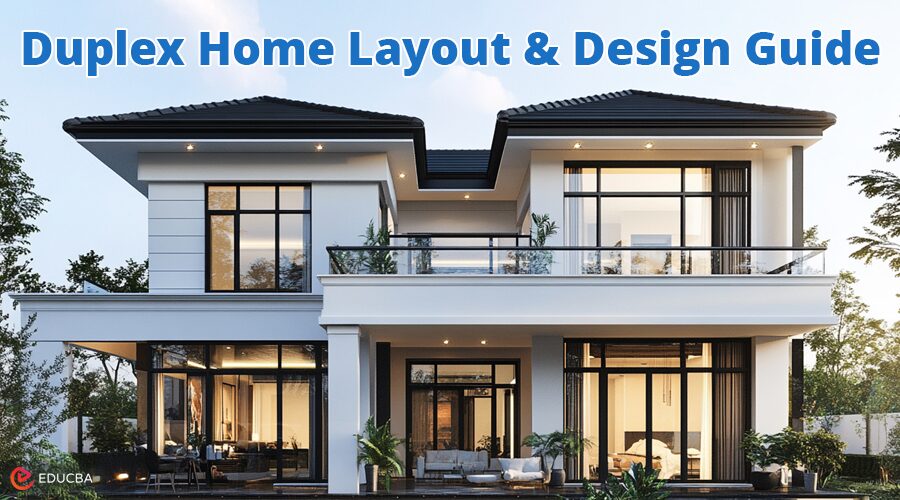
Understanding Duplex Home
Duplex homes have become increasingly popular among homeowners, investors, and families seeking flexibility. Whether the goal is to generate rental income, house multiple generations, or maximize property value, duplexes offer a unique combination of privacy and shared structure.
If you are exploring this type of property, understanding how duplex homes work is the first step. This guide breaks down what a duplex is, how it compares to other housing types, and what to consider when designing or building one.
What Is a Duplex Home?
A duplex home is a single residential structure that contains two separate living units. Each unit functions independently, typically including its own kitchen, bathroom, living space, and entrance.
While the units share parts of the structure, such as walls or floors, they operate as two distinct homes within one building. Duplexes are usually located on a single lot and may be owned by a single individual or rented.
Types of Duplex Homes
Duplex homes come in different layouts, depending on how the two living units are arranged within the structure.
1. Side-by-Side Duplex
In a side-by-side duplex, the two units share a vertical wall. Each unit typically has its own entrance, often facing the front or side of the property.
This layout offers a balance of separation and symmetry, making it a popular choice for new construction.
2. Stacked Duplex
A stacked duplex places one unit above the other. Each unit has a separate entrance, but they share a horizontal structure rather than a vertical wall.
Builders often use this design in urban areas where lot sizes are limited, allowing homeowners to maximize vertical space.
Duplex vs Other Housing Types
To better understand duplex homes, it helps to compare them with other common housing types.
1. Duplex vs Single-Family Home
A single-family home is built for one household, while a duplex has two separate homes within the same building. This makes duplexes more versatile for generating income or for shared living arrangements.
2. Duplex vs Townhome
Townhomes are typically part of a larger development with multiple connected units, each individually owned. A duplex, on the other hand, consists of only two units in a single building and is often owned as a single property.
3. Duplex vs ADU
An accessory dwelling unit (ADU) is a smaller, secondary home built on the same property as the main house. Unlike a duplex, where both units are equal, an ADU is considered an additional space attached to or separate from the main residence.
For homeowners considering alternative housing options, solutions like those offered by Golden State ADUs can provide additional flexibility compared to traditional duplex layouts.
Why People Choose Duplex Homes?
- Rental income opportunities: One of the main advantages of a duplex is the ability to generate income. Many homeowners live in one unit and rent out the other, helping offset mortgage costs.
- Multigenerational living: Duplexes are also ideal for families who want to live close together while maintaining privacy. Each unit provides its own living space, allowing for independence within a shared property.
- Efficient land use: Building two units on a single lot maximizes the property’s value. This is especially beneficial in areas where land is limited or expensive.
How Much Does It Cost to Build a Duplex?
The cost of building a duplex varies widely based on location, size, and design. On average, construction can range from $250,000 to $600,000+, depending on materials, labor, and complexity.
The cost depends on factors such as the size of each unit, whether the design is side-by-side or stacked, and the level of customization you choose. Additional costs may include permits, site preparation, and utility connections.
Design Considerations for Duplex Homes
- Layout and privacy: Designing a duplex requires careful planning to ensure both units feel comfortable and private. Soundproofing, separate entrances, and thoughtful layouts all contribute to a better living experience.
- Shared vs separate utilities: Some duplexes share utilities, while others have separate systems for each unit. Separate utilities offer more independence but can increase installation costs.
- Parking and access: Providing adequate parking and easy access for both units is essential. Design driveways, walkways, and entrances to prevent conflicts and maintain convenience.
- Zoning, permits, and regulations: Before building a duplex, it is important to understand local zoning laws and building regulations. Not all areas allow duplex construction, and there may be restrictions on size, height, and placement.
Permits are typically required, and the approval process varies by location. Proper planning ensures the project meets all legal requirements and avoids delays.
Working With Professionals
Because duplex construction involves structural design, utilities, and regulatory compliance, professional guidance is often necessary.
For projects requiring structural planning and compliance with local regulations, working with experts in Civil Engineering Sacramento can help ensure the design is both functional and code-compliant.
Pros and Cons of Duplex Homes
Advantages
Duplex homes offer several benefits, including the potential for rental income, increased property value, and flexible living arrangements. They can also use land more efficiently than single-family homes.
Disadvantages
There are also some drawbacks to consider. Sharing a structure means less privacy than a fully detached home, and managing tenants can require additional effort. Noise and maintenance responsibilities may also be factors.
Is a Duplex Right for You?
Deciding whether a duplex is the right choice depends on your goals. If you are looking for an investment property or a way to house multiple families, a duplex can be an excellent option.
However, it is important to evaluate your property, budget, and long-term plans before starting. Knowing the benefits and challenges helps you make better decisions.
Final Thoughts
A duplex home is a versatile housing solution that combines two independent living spaces within a single structure. Whether used for rental income, family living, or long-term investment, duplexes offer greater flexibility than traditional housing options.
With proper planning, good design, and the right support, a duplex can be a valuable addition to a property.

