


Updated April 18, 2026
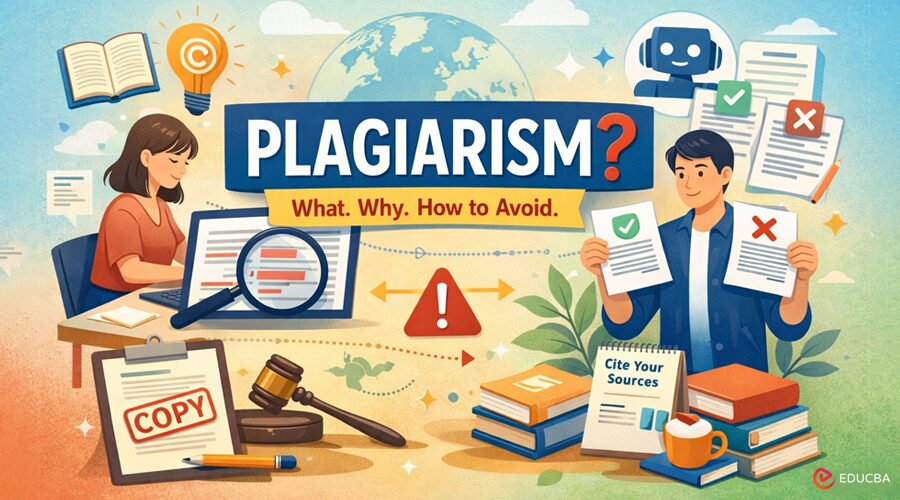
Introduction to Plagiarism
Plagiarism is one of the most misunderstood academic issues among students. With modern plagiarism-detection systems and tools like the Turnitin AI plagiarism detector, evaluating originality has become easier.
Many people assume it means copying and pasting someone else’s work, but in reality, it can occur in far subtler ways. Understanding what plagiarism is, why it matters, and how to avoid it is essential for academic success and ethical writing.
What is Plagiarism?
Plagiarism is the act of presenting someone else’s words, ideas, or work as your own without proper acknowledgment. This can apply to written text, ideas, research findings, images, data, computer code, and even spoken content in presentations.
At its core, plagiarism is about misrepresentation of authorship. When a reader assumes that the work reflects your original thinking, but it actually relies on uncredited sources, plagiarism occurs. This is true whether the copying was intentional or accidental.
It is not limited to academic writing. It can occur in journalism, business reports, creative writing, and digital content. However, educational institutions treat plagiarism particularly seriously because it undermines learning and academic integrity.
Why Plagiarism Matters in Education?
Academic institutions strongly emphasize originality because they design assignments to measure students’ understanding, critical thinking, and research skills. When plagiarism occurs, that assessment becomes meaningless.
It can lead to serious consequences, including failed assignments, disciplinary action, or long-term academic penalties. Beyond formal punishment, it can also damage a student’s reputation and confidence.
More importantly, avoiding plagiarism helps students develop essential skills. Learning how to research responsibly, synthesize information, and cite sources correctly prepares students for professional and academic work where credibility matters.
Common Types of Plagiarism
Plagiarism is not a single behavior. It appears in several forms, some of which are less obvious than others.
1. Direct Plagiarism
Direct plagiarism occurs when text is copied word-for-word from a source without quotation marks or citation. This includes copying from books, academic papers, websites, or another student’s work.
This is the most recognizable form of plagiarism and is typically easy for detection tools to identify.
2. Self-Plagiarism
Self-plagiarism occurs when a writer reuses previously submitted work without permission or disclosure. While the content belongs to the writer, submitting the same work for multiple assignments can still violate academic rules.
Students often misunderstand this type, assuming they can reuse past essays freely. In most institutions, this is not allowed without explicit approval.
3. Mosaic Plagiarism
Mosaic plagiarism involves mixing phrases, sentence structures, or ideas from multiple sources into your writing without proper citation. Even if some words are changed, the structure or meaning may still closely resemble the original.
This form often results from poor paraphrasing and is common among students unsure how to restate ideas in their own words.
4. Accidental Plagiarism
Accidental plagiarism occurs when a writer unintentionally fails to cite sources correctly. This can happen due to missing citations, incorrect paraphrasing, or forgetting the source of an idea.
It still carries serious consequences, so it is crucial to understand and follow citation rules.
Real-World Examples of Plagiarism
Plagiarism is not limited to copying entire essays. Some common real-world examples include:
- Submitting a paragraph copied from an online article without a citation
- Rewriting a source by changing a few words but keeping the same structure
- Using statistics or research findings without referencing the original study
- Turning in a friend’s assignment with minor edits
- Reusing parts of an old assignment for a new course without permission.
These examples show that plagiarism can happen even when the intent is not to deceive.
How Plagiarism Is Detected?
Educational institutions rely on plagiarism detection systems to identify similarities between submitted work and existing sources. These systems compare student papers against databases containing academic publications, websites, and previously submitted assignments.
Many institutions also use tools that combine similarity analysis with AI-based writing indicators. A Turnitin AI and plagiarism checker can highlight matched text and patterns that suggest overreliance on sources or automated writing tools.
It is important to understand that similarity reports do not automatically mean plagiarism. Instructors interpret results by considering citations, context, and assignment requirements.
How Students Can Avoid Plagiarism?
Avoiding plagiarism is largely about developing good research and writing habits.
Start by keeping careful notes during research and clearly marking quoted material. When paraphrasing, focus on fully restating the idea in your own words rather than simply changing a few terms.
Citing sources correctly is essential. Different academic fields use different citation styles, so always follow the guidelines required by your institution or instructor.
Reviewing your work with plagiarism-checking tools before submission can also help identify potential issues early, allowing you to correct them.
Plagiarism vs Copyright Infringement
Plagiarism and copyright infringement are related but not identical concepts. Plagiarism is an ethical issue involving honesty and attribution, while copyright infringement is a legal matter concerning ownership and usage rights.
You can plagiarize a work without violating copyright, and you can violate copyright without plagiarizing a work. In academic settings, plagiarism policies focus on proper acknowledgment rather than legal ownership.
Students recognize the distinction and understand why schools take plagiarism seriously, even when it does not violate the law.
Is AI-Generated Content Considered Plagiarism?
AI-generated content raises new questions about originality. Using AI tools to generate text without disclosure may violate academic integrity policies, depending on institutional rules.
Presenting AI-generated text as a student’s original work without acknowledgment constitutes plagiarism. Some institutions require students to disclose the use of AI assistance or prohibit it entirely.
This is one reason many universities use a Turnitin AI checking tool to help identify patterns that may suggest undisclosed AI use and prompt further review.
Students should always review their institution’s policies and use AI tools responsibly, focusing on learning rather than shortcuts.
Final Thoughts
Plagiarism is more than copying text; it is about honesty, attribution, and respect for intellectual work. By understanding its different forms and learning how to avoid it, students can build stronger writing skills and maintain academic integrity.
Developing good research habits, citing sources properly, and reviewing work for originality are essential steps toward ethical and confident academic writing.
Frequently Asked Questions (FAQs)
Q1. Is plagiarism always intentional?
Answer: No. Many cases involve accidental plagiarism due to poor citation or paraphrasing. However, intent does not usually change the outcome under academic policies.
Q2. Can common knowledge be plagiarized?
Answer: Generally, common knowledge does not require citation. However, what counts as common knowledge can vary by subject and audience.
Q3. Is paraphrasing without citation plagiarism?
Answer: Yes. Even if you paraphrase, you must credit the source unless the idea is common knowledge.
Recommended Articles
We hope this guide on Plagiarism helps you understand academic integrity, avoid common mistakes, and improve your writing credibility. Explore the recommended articles below for more insights on proper citation, ethical writing practices, and using tools to ensure originality.


