


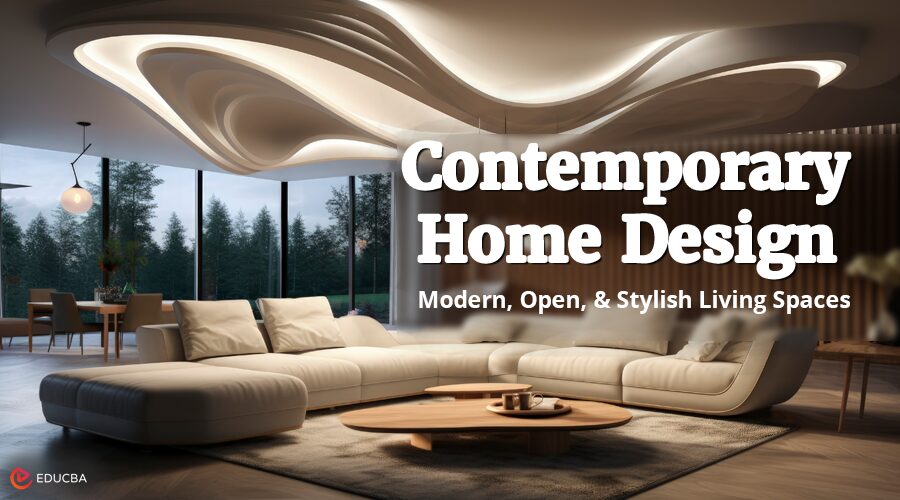
Introduction to Contemporary Home Design
Contemporary homes feature clean lines, open layouts, and a balanced mix of simplicity and functionality. Unlike traditional architectural styles, contemporary home design evolves with modern lifestyles and design trends. It emphasizes natural light, flexible spaces, and materials that create a sleek yet comfortable environment.
For homeowners wondering how to achieve contemporary home design, the process involves much more than choosing modern furniture or minimalist décor. Contemporary design starts with thoughtful architectural planning, followed by carefully selected materials, lighting strategies, and interior finishes. This guide outlines the key design principles that define contemporary homes and how to apply them when building or renovating a space.
Understanding What Defines a Contemporary Home
Before designing a home, it is helpful to understand what makes contemporary home design unique.
Contemporary vs Modern Design
People often use the terms interchangeably, but they do not mean the same thing. Modern design refers to a specific architectural movement from the early to mid-20th century. Contemporary designers reflect current architectural and design trends.
Because contemporary architecture evolves, it often incorporates elements from different styles while maintaining a minimalist aesthetic.
Core Characteristics of Contemporary Homes
Several key design features define contemporary home design:
- Clean lines and geometric forms
- Open and flexible floor plans
- Large windows and natural light
- Minimal decorative details
- Integration of indoor and outdoor living spaces.
These elements shape spaces that look open, function well, and appear visually balanced.
Step 1: Plan an Open and Functional Floor Layout
One of the most important elements of contemporary home design is the layout.
Open-Concept Living Spaces
Contemporary homes often eliminate unnecessary walls to create larger, multi-functional living areas. Designers often combine kitchens, dining rooms, and living rooms into a single open space.
Open layouts improve movement throughout the home and allow natural light to travel between rooms.
High Ceilings and Large Windows
High ceilings contribute to the sense of openness often associated with contemporary home design. Combined with large windows, they allow natural light to fill interior spaces throughout the day, enhancing comfort and reducing reliance on artificial lighting.
Step 2: Choose Simple Architectural Forms
Contemporary homes often rely on simple shapes and structural clarity rather than decorative features.
Clean Rooflines and Geometric Shapes
Flat or low-sloped rooflines are common in contemporary home design. Homes often feature rectangular or cubic forms that emphasize horizontal and vertical lines, creating a visually striking appearance while maintaining architectural simplicity.
Minimal Exterior Detailing
Unlike traditional architecture, contemporary homes avoid heavy ornamentation. Instead, design focuses on form, proportion, and material contrast.
For homeowners updating an existing property, renovation specialists such as America’s Advantage Remodeling can help integrate contemporary architectural elements into older homes while preserving structural integrity.
Step 3: Select Natural and Modern Materials
Homeowners should carefully select materials to achieve the contemporary home design aesthetic.
Popular Contemporary Materials
Contemporary homes frequently use a combination of modern and natural materials, including:
- Glass
- Steel
- Wood
- Concrete
- Stone
These materials create visual contrast while maintaining a minimalist design approach.
Blending Texture for Balance
While contemporary design emphasizes simplicity, combining textures prevents spaces from feeling cold or sterile. For example, smooth concrete surfaces may be balanced with warm wood finishes or stone accents, keeping contemporary home design both modern and inviting.
Step 4: Use a Neutral Color Palette
Color selection is another defining feature of contemporary home design.
Common Contemporary Color Schemes
Most contemporary interiors rely on neutral colors such as:
- White
- Gray
- Black
- Soft earth tones
Neutral palettes create a calm visual foundation, allowing architectural elements to stand out.
Adding Subtle Accent Colors
Homeowners can introduce accent colors through artwork, textiles, or furniture. These accents should remain subtle to preserve the minimalist style of contemporary home design. Maintaining consistency across walls, flooring, and furniture reinforces the overall aesthetic.
Step 5: Maximize Natural Light
Lighting is one of the most powerful design elements in contemporary home design.
Large Windows and Glass Doors
Floor-to-ceiling windows are a signature feature of many contemporary homes. Sliding glass doors and large window panels allow natural light to flow throughout the space.
This approach also creates a stronger connection between interior and outdoor environments.
Strategic Lighting Design
Artificial lighting is typically integrated subtly into contemporary homes through:
- Recessed ceiling lighting
- Minimalist pendant fixtures
- Indirect lighting behind architectural features.
Layered lighting allows homeowners to create different moods while maintaining a clean visual design.
Step 6: Focus on Clean Interior Finishes
Interior finishes help complete contemporary home design.
Minimalist Cabinetry and Storage
Contemporary kitchens and storage systems often use flat-panel cabinetry with hidden handles or push-to-open mechanisms.
Built-in storage solutions help reduce visual clutter while maintaining functionality.
Modern Flooring and Wall Treatments
Popular contemporary flooring choices include wide-plank hardwood, polished concrete, and large-format tile. These materials emphasize simplicity while adding texture to the space.
Wall finishes are usually clean and minimal. Painters often achieve a smooth and polished finish by carefully preparing surfaces and applying paint professionally. Companies like Cover Pro Painting often assist with finishing paint details to complete modern renovation projects.
Step 7: Create a Seamless Indoor–Outdoor Connection
Contemporary homes often blur the boundaries between interior and exterior spaces.
Outdoor Living Areas
Patios, decks, and outdoor seating areas extend the home’s living space beyond its walls. Large glass doors allow these outdoor spaces to function as natural extensions of the interior.
Landscape Integration
Landscaping in contemporary homes tends to be simple and structured. Clean lines, natural stone, and minimalist plant arrangements complement the architectural style.
Designers aim to create a unified visual experience between the home and its surrounding environment.
Common Mistakes to Avoid in Contemporary Home Design
Several mistakes can disrupt contemporary home design:
- Overdecorating the Space: Too many decorative elements can make contemporary interiors feel cluttered. Minimalism is essential to the design.
- Ignoring Functionality: While aesthetics matter, contemporary homes must remain functional for everyday living.
- Using Too Many Materials or Colors: Consistency is important in contemporary design. Introducing too many materials or colors can weaken the overall design concept.
Tips for Achieving a Balanced Contemporary Home Design
Homeowners designing a contemporary home can keep these principles in mind:
- Focus on quality over quantity in design elements
- Prioritize natural light and open spaces
- Use texture to add warmth without clutter
- Maintain a consistent architectural theme throughout the home.
These strategies help ensure the design remains cohesive and timeless.
Final Thoughts
Learning how to design a contemporary home involves more than following a single design trend. Contemporary architecture combines simplicity, functionality, and thoughtful material choices to create living spaces that feel modern yet comfortable.
By focusing on open layouts, natural light, neutral palettes, and clean finishes, homeowners can achieve timeless contemporary home design that is both practical and visually striking.
Recommended Articles
We hope this guide to Contemporary Home Design helps you create a modern, functional, and stylish living space that suits your lifestyle. Explore the recommended articles below for more insights on home remodeling, interior design trends, color palettes, and expert decorating tips.

