


Choosing the Right Hillside Washers for Flange Assemblies
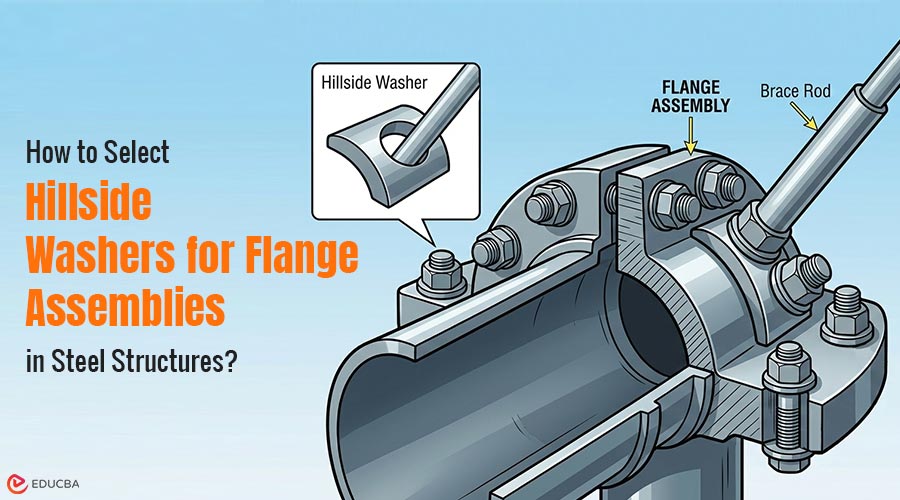
Ever tightened a bolt on a sloped beam and felt like something was not sitting right? In many steel structures, diagonal bracing meets angled flanges, and a standard flat washer cannot create a true, level bearing surface. That is where hillside washers for flange assemblies become essential. How? By providing a flat bottom, a curved top surface, and often a locking tab that prevents sliding, while distributing structural loads evenly.
These washers evenly distribute the load in cross-bracing applications. They create a level, perpendicular surface for nuts and bolts when securing diagonal bracing rods or cables to sloped steel structural beams. By correcting the angle at the connection point, they reduce stress concentrations. And they help prevent long-term damage to beams and hardware. Choosing the right washer for flange assemblies takes more than matching a bolt diameter. Each step below walks through what to check before making a final decision.
Evaluate the Slope of the Flange Before Selecting a Hillside Washer
Start by measuring the angle of the steel beam or flange where the diagonal bracing connects. Manufacturers design hillside washers to match specific slopes, and any mismatch can compromise load transfer. Uneven load distribution in steel truss connections directly affects bearing capacity and structural performance.
Improper seating at an angled connection may seem minor, yet over time, it can influence how forces move through the entire assembly. Angle accuracy matters because flange assemblies depend on even pressure across the contact surface. A correctly sized hillside washer ensures the nut tightens against a flat plane rather than a tilted edge.
Why Angle Matching Protects Structural Integrity?
A washer that does not match the beam slope creates point loading. Point loading increases localized stress and can deform the flange. Structural studies on truss systems, including this 2024 analysis, emphasize how connection details influence global stability. Small inconsistencies at joints can alter how forces distribute throughout the frame.
Confirm Load Requirements and Bracing Forces
Review the load calculations for the bracing system. Diagonal rods and cables carry tension forces that must transfer cleanly into the beam without slippage or distortion. Updated bracing guidance from the Structural Building Components Association highlights how load-based spacing and force considerations directly impact connection hardware choices. When bracing forces increase, connection components must resist compression at the bearing surface. It must also resist tension from the bolt. Higher loads mean the washer material, thickness, and bearing area become critical. Undersized washers may deform under tension, reducing clamping force and affecting the flange assembly.
Key Load Factors to Review
Before finalizing your washer choice, review:
- Calculated tension in diagonal bracing rods
- Beam thickness and flange width
- Required bolt diameter and grade
Each factor is important. Everyone influences how the hillside washer performs once torque is applied.
Match the Washer to the Bolt and Flange Assembly
Bolt diameter is only one piece of the puzzle. The inside diameter of the hillside washer must align precisely with the bolt, while the outer diameter must provide sufficient bearing area on the flange. In flange assemblies, washers also help maintain proper bolt tension. Washers in flange connections support even load transfer and protect surfaces during tightening. Uneven bearing can reduce the effective clamping force and compromise the joint. Proper matching prevents slippage and protects the beam’s protective coatings. Galvanized or painted steel requires even pressure to maintain corrosion resistance at the contact point.
Avoid Common Sizing Mistakes
Choosing based only on availability can lead to fit issues. A washer that is too small may dig into the flange, while one that is too large may interfere with adjacent components. Verify dimensions against engineering drawings rather than relying on visual inspection. Precision at this stage prevents costly rework on-site.
Consider Locking Features and Installation Conditions
Many hillside washers include a locking tab designed to prevent movement during tightening. Job site conditions, including vibration and exposure to weather, determine whether a locking feature is necessary. Bracing connections in wind-prone or high-traffic industrial environments are subject to dynamic forces. Locking tabs help stabilize the washer during installation and reduce the risk of rotation under load. Installation accessibility also plays a role. Tight spaces may require washers that are easier to position and align before torque is applied.
Installation Tips for Flange Assemblies
Field crews benefit from planning. Keep these considerations in mind:
- Confirm washer orientation before tightening
- Ensure full contact between the washer and the flange surface
- Apply torque gradually to maintain alignment
Source Quality Hillside Washers for Flange Assemblies From a Trusted Supplier
Quality control makes a measurable difference in structural hardware. Material composition, dimensional accuracy, and finishing standards all affect performance in flange assemblies. When reviewing options for a hillside flange washer, look for suppliers that provide detailed product specifications and application guidance. You can then ensure you choose the right one. Reliable sourcing reduces the risk of receiving washers that do not meet engineering requirements. Consistent manufacturing ensures predictable performance once installed.
Why Supplier Expertise Matters?
A knowledgeable supplier can clarify compatibility with specific beam profiles and bolt grades. Guidance from experienced teams supports better purchasing decisions and smoother installations. Flange assemblies often represent critical structural connections. Choosing well-made hillside washers protects the structure’s integrity and maintains the project’s efficiency.
Final Thoughts
Selecting the right hillside washers for flange assemblies starts with understanding slope, load, fit, installation conditions, and supplier quality. Each step builds toward a connection that distributes forces evenly and maintains long-term structural stability. Hillside washers play a vital role in cross-bracing systems by creating a flat, perpendicular surface for nuts and bolts on angled beams. Careful selection reduces stress concentrations, protects steel components, and supports reliable performance under load. If you are evaluating hardware for an upcoming project, review your specifications carefully and consult with experienced professionals. They can help you determine whether a hillside flange washer is the right fit for your bracing application.
Recommended Articles
We hope this guide on hillside washers for flange assemblies helps you choose the right hardware for your project. Check out these recommended articles for more such topics.

