


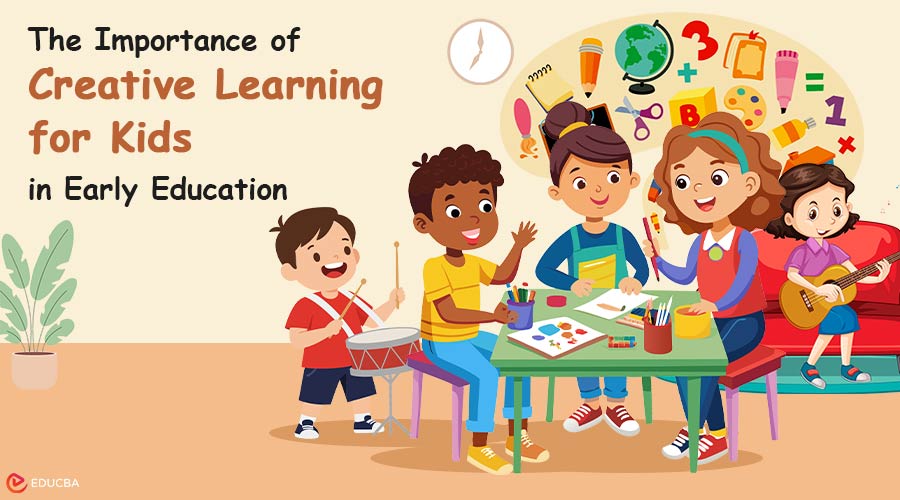
How Creative Learning for Kids Shapes Confidence?
Something magical happens when children discover they can create. Watch a child for the first time play a song on an instrument, complete a craft project they are genuinely proud of, or finally understand a concept that has challenged them for weeks. That spark in their eyes is confidence being born. Parents often worry about grades, test scores, and whether their children are keeping up academically. But research consistently shows that children who thrive long-term are those who develop curiosity, creativity, and resilience, not just high marks. That is where creative learning for kids plays a powerful role. By combining artistic expression, hands-on activities, and personalized academic support, children grow into confident, capable learners who enjoy the learning process itself.
The Power of Musical Learning
Music is one of the most effective forms of creative learning for kids. When a child learns an instrument or engages in musical activities, multiple areas of the brain activate at once: motor skills, language processing, mathematical reasoning, and emotional regulation. It is a full mental workout disguised as enjoyment.
How Music Builds Confidence Through Creative Learning?
Music teaches patience and perseverance. Mastery does not happen overnight. Children practice, struggle, improve, and eventually succeed. This process instils resilience more effectively than any lecture ever could. Performance also plays a critical role. Whether playing for family or at a recital, children learn to manage nerves, prepare thoroughly, and recover from mistakes.
These skills transfer directly into classrooms, presentations, and everyday challenges. High-quality programs offering music classes melbourne focus on both technical skills and creative expression. This balance ensures children progress while still enjoying the process, an essential element of creative learning for kids.
Hands On Creativity: Why Making Things Matters?
Children are naturally drawn to hands-on creativity, and for good reason. Creating something tangible turns ideas into reality. It provides immediate feedback and a strong sense of accomplishmen,t something screens cannot replace.
What Children Learn Through Hands-On Creative Learning?
When children engage in crafts or building projects, they:
- Plan and visualise outcomes
- Solve problems when things go wrong
- Persist through frustration
- Experience pride in completion
These are the same skills required for academic and real-world success. Simple activities like designing custom stickers, crafting projects, or building models naturally introduce design thinking. Children learn about colour, spacing, composition, and iteration, all core principles of creative learning for kids. Despite common concerns, hands-on creative activities do not distract from “real learning.” They strengthen the cognitive foundations that make academic learning more effective.
Supporting Academic Growth the Right Way
While creativity is essential, academic foundations still matter. The challenge with classroom learning is that a single teaching style must serve students with diverse learning needs. Some children need extra time, alternative explanations, or personalised attention.
Personalised Learning as Part of Creative Learning for Kids
One-on-one academic support helps children understand concepts at their own pace, building confidence with each success. High-quality primary school tutoring Sydney parents trust shares key qualities:
- Patient, child-focused instructors
- Curriculum-aligned learning
- Flexible teaching methods
- Confidence-building approaches
The goal is not just improved grades. Effective tutoring within a creative learning framework helps children believe in their ability to learn. It teaches them how to learn, not just what to learn. This independence is a cornerstone of creative learning for kids and supports lifelong learning.
Bringing It All Together
Music, hands-on creativity, and academic support are not competing priorities. They are complementary.
- Musical learning builds discipline and emotional confidence
- Creative projects strengthen problem-solving and innovation
- Academic support reinforces core skills and learning strategies
Together, these elements create well-rounded children who enjoy learning and adapt easily to challenges. Studies show that children engaged in creative learning perform better overall. They are more resilient, more engaged, and better able to connect ideas across subjects.
Practical Ways to Encourage Creative Learning for Kids at Home
You do not need to over-schedule your child or invest in expensive programs. Start small and be intentional.
- Introduce music through lessons or everyday listening
- Encourage hands-on creativity, even if it gets messy
- Provide academic support when needed, tailored to your child
- Balance structured activities with unstructured play
Creative learning for kids thrives when children feel supported, not pressured.
Final Thoughts
Raising confident, capable children is not about choosing one perfect method. It is about offering diverse experiences that develop creativity, competence, and self-belief. Musical expression, hands-on making, and academic growth each contribute something essential. Parents who embrace creative learning for kids take a broader view of education. They understand that confidence comes from varied accomplishments, not grades alone. Start with what excites your child and build from there. When children believe in their ability to learn, create, and grow, everything else follows naturally.
Recommended Articles
We hope this guide on creative learning for kids inspires you to support your child’s growth and confidence. Explore these recommended articles for more ideas and strategies to nurture creative, capable learners.

