


How to Optimize Business Freight Shipping?
Efficient business freight shipping is crucial for businesses. Businesses of all sizes must manage logistics to deliver goods on time and within budget. With the growth of e-commerce and the need for fast deliveries, optimizing freight shipping is more important than ever. Fortunately, businesses can use strategies to improve shipping processes, cut costs, and boost customer satisfaction. Understanding freight shipping is key for any business looking to succeed. The logistics world is complex, but effective strategies can simplify operations. Let us look at how to optimize your freight shipping to meet customer demands and support your financial goals.
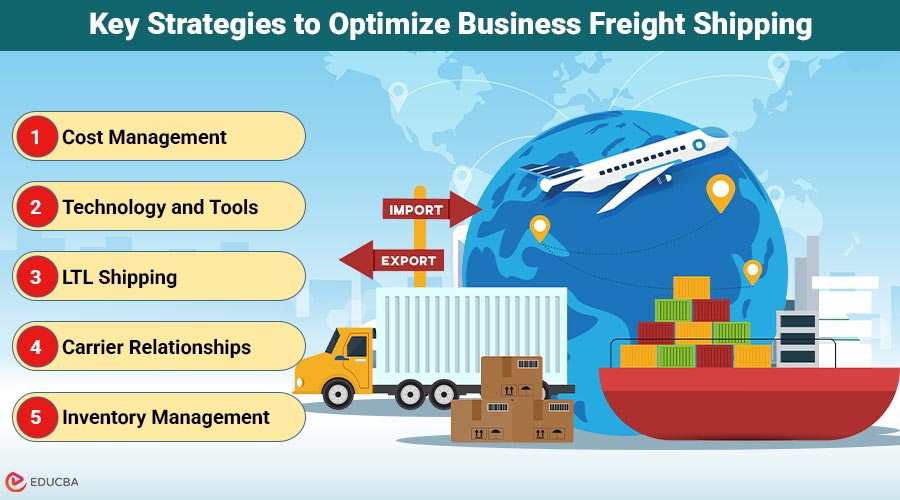
Key Strategies to Optimize Business Freight Shipping
Here are the core strategies businesses can use to streamline freight operations and improve overall logistics performance.
1. Cost Management
Managing shipping costs is essential for staying profitable. Carefully reviewing shipping expenses can reveal hidden costs that can lead to overspending. By analyzing factors such as distance, weight, and shipping methods, businesses can find ways to save. Many overlook the potential savings from negotiating freight carrier rates. Building strong relationships with carriers can help secure better prices or discounts, especially for larger shipments.
Another way to save money is by consolidating shipments. Combining smaller loads into one shipment allows businesses to take advantage of lower shipping rates. This method also reduces the number of shipments needed, which lowers overall costs. Keeping track of shipping rate changes can help you choose the best times to ship and avoid high rates during peak seasons.
2. Technology and Tools
Using technology can greatly improve freight shipping efficiency. Software that provides real-time tracking, shipping management, and data analysis is valuable for businesses looking to improve logistics. Implementing a Transportation Management System (TMS) streamlines shipping operations, enabling businesses to plan and optimize their processes.
Automation can also make a big difference. Automating tasks like labelling and tracking reduces human error and speeds up shipping. With accurate, real-time information, businesses can make better decisions to improve efficiency and customer service. Integrating shipping tools with e-commerce platforms creates a seamless experience, enabling businesses to manage orders and shipments from a single place.
3. LTL Shipping
Less-than-Truckload (LTL) shipping helps businesses reduce freight costs. This method lets companies share truck space, so you only pay for the part of the truck that you use. LTL shipping is efficient for smaller shipments and helps cut costs. LTL shipping also offers flexibility. You can easily schedule pickups and deliveries, making it a good choice for changing business needs.
Many LTL carriers have established networks, ensuring your deliveries arrive on time. This boosts reliability and improves customer satisfaction. Another advantage of LTL shipping is that it is better for the environment. Combining shipments reduces trucks on the road, lowering fuel use, emissions, and costs while supporting sustainability.
4. Carrier Relationships
Building strong relationships with freight carriers is crucial for improving shipping. Good communication helps with coordination and quick problem-solving. When carriers understand your specific needs, they can adjust their services to better handle your shipments.
It is also smart to work with multiple carriers. Having different shipping options gives you more flexibility and helps you choose the best carrier based on cost, service, and delivery time. This reduces the risk of relying on a single carrier and helps your business adapt to shifts in shipping demand.
5. Inventory Management
Good inventory management is key to optimizing freight shipping. Knowing your inventory levels and how fast products sell helps you decide when to ship. Aligning shipping schedules with inventory needs helps prevent stockouts or excess inventory that can reduce profits.
Using just-in-time (JIT) logistics is an effective strategy. With JIT, you only ship goods when they are needed. This reduces inventory costs and improves cash flow. It also makes better use of storage space, allowing you to focus on moving products rather than just filling your warehouse.
6. Collaboration and Communication
Working together with everyone involved in shipping leads to smoother operations. Communicating with suppliers, carriers, and your own team helps tackle challenges more easily. Using collaborative platforms makes it easier to track shipments and share information within your company.
Keeping communication open with customers also improves their experience. Informing them about shipping times, tracking details, and any delays builds trust and satisfaction. Satisfied customers are more likely to come back and recommend your business, driving growth. Small changes in your freight shipping strategy can bring significant benefits. A proactive approach to managing costs, using technology, and nurturing relationships can set your business up for success.
7. Sustainability Initiatives
Sustainability is becoming very important in freight shipping. Companies want to be more sustainable and reduce their carbon footprint. Using green logistics is good for the planet and can also attract customers who care about sustainable practices. One effective way to promote sustainability in freight shipping is to optimize delivery routes. Using route optimization software can help find the most efficient paths, which reduces fuel consumption. This cuts costs and minimizes emissions, leading to a greener supply chain.
Additionally, exploring alternative fuel options, like electric or hybrid vehicles, can lower environmental impact. Partnering with carriers that prioritize sustainable practices can enhance your company’s green reputation.
Final Thoughts
Optimizing business freight shipping requires a strategic approach that combines cost management, technology adoption, strong carrier partnerships, and sustainable practices. Even minor enhancements in freight operations can boost efficiency, customer satisfaction, and profitability. By continuously refining shipping processes and embracing innovation, businesses can build a resilient, future-ready freight strategy that supports long-term growth.
Recommended Articles
We hope this guide to business freight shipping helps streamline your logistics. Check out these recommended articles for more tips and strategies to optimize your shipping operations.


