


What To Consider When Choosing a Stone for Your Countertops?
When renovating a kitchen or bathroom, choosing stone countertops is one of the most important decisions you will make. Options like granite, marble, quartz, and others each have unique benefits and limitations. The right selection can enhance both the function and beauty of your space while providing long-lasting satisfaction. Selecting a countertop stone involves more than just picking a color that matches your decor. Factors such as durability, maintenance, cost, aesthetics, and environmental impact can greatly influence your choice. Below, we delve into what you should contemplate before making your decision.
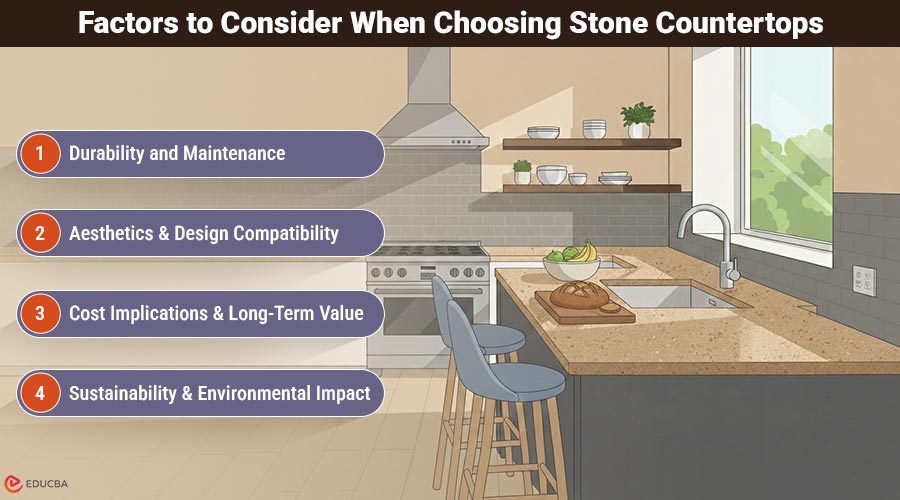
Factors to Consider When Choosing Stone Countertops
Here are the key points to keep in mind when making your selection.
1. Durability and Maintenance
Countertop durability is paramount in high-traffic areas such as kitchens. Granite countertops Surrey are renowned for their resistance to scratches, heat, and stains. Granite can often withstand chipping and cracking, remaining intact for decades when properly maintained. Proper maintenance is important for the longevity of stone surfaces. Some stones, such as marble, are porous and require regular sealing to prevent staining and damage.
Quartz, on the other hand, is non-porous and typically needs less maintenance, making it a popular choice for busy homeowners. Before choosing a stone, consider your lifestyle and willingness to commit to upkeep. For instance, granite countertops from Surrey combine durability with easy maintenance. This may determine whether a high-maintenance marble or a more resilient quartz suits your home.
2. Aesthetics and Design Compatibility
The look of your countertops is key to a cohesive interior design. Each stone offers unique colors, patterns, and textures that can enhance or define your kitchen’s style. Marble, with its classic veining, can impart an air of elegance and luxury, while speckled granite offers a more earthy and rugged look. Quartz comes in many colors and can imitate other stones, providing great design flexibility.
Consider bringing home samples or using digital visualization tools to see how specific stone options will integrate with your cabinets, flooring, and overall color scheme. It is also useful to think about how the countertop’s appearance will blend with your home’s architectural style.
3. Cost Implications and Long-Term Value
The cost of stone countertops can vary widely, depending on the material and complexity of installation. High-end options like marble can come with a hefty price tag, whereas materials like granite provide a balance between affordability and quality. It is important to not only consider the upfront costs but also the long-term value.
Investing in a more expensive, durable stone like granite might pay off in the long run, as it could increase your home’s resale value and require less frequent replacement. Create a budget for your countertop project, and compare quotes from several suppliers and installers. Keep in mind additional costs like edge treatments, backsplashes, and cut-outs for sinks or fixtures, as they can affect the total price.
4. Sustainability and Environmental Impact
Environmental consciousness is becoming increasingly crucial in home renovation decisions. Using sustainable materials for your countertops can reduce your ecological footprint and support responsible quarrying and manufacturing practices.
Recycled glass countertops are growing in popularity for their eco-friendly nature, while quartz, as an engineered product, can contain recycled materials. Although natural, granite and marble can have a considerable environmental impact because of mining and transportation.
Final Thoughts
When selecting a countertop stone, research its sourcing and manufacturing processes. Look for certifications indicating environmentally sound practices and consider the material’s lifecycle, from sourcing to potential recycling down the road. Choosing stone countertops is a delicate balance of practicality, aesthetics, cost, and environmental considerations. By carefully considering each factor, homeowners can create beautiful, functional, and sustainable spaces that they can enjoy for years. Remember that this decision not only affects your immediate living environment but can also influence your home’s market value and appeal.
Recommended Articles
We hope this guide on choosing stone countertops helps you make the best decision for your home. Check out these recommended articles for more tips and insights on creating beautiful, durable spaces.

