


What “Taking Care of Yourself” Actually Means After an Injury?
Recovering from an injury is more than just resting your body. When someone tells you to “take care of yourself,” it often feels vague and unhelpful. True self-care after injury requires intentional steps that support both your physical and mental health. Without a clear plan, recovery may be delayed, complications can occur, and your quality of life may suffer. According to research, untreated stress and discomfort can increase the chance of developing chronic illnesses and slow healing. Defining what self-care looks like is the best way to preserve your health.
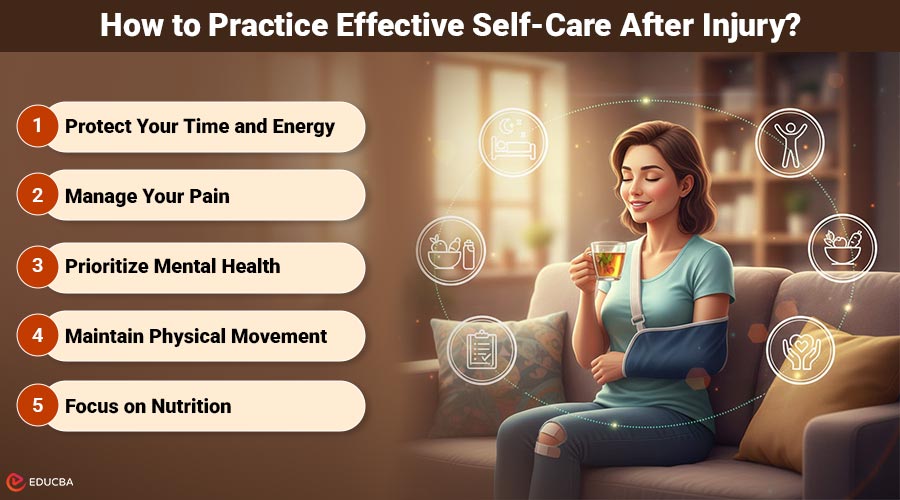
How to Practice Effective Self-Care After Injury?
Recovering from an injury involves more than simply resting. To ensure a smooth and effective recovery, focus on these key areas of self-care after injury:
1. Protect Your Time and Energy
Recovering from an injury requires rest and reduced cognitive load. One thing most people overlook when attempting to heal is the number of stressors that interfere with their ability to rest and recover properly. The usual demands of daily life can take a toll, but so can the administrative burdens if you are involved in filing a personal injury claim or lawsuit. For example, insurance disputes, medical bills, and emails and texts from your boss can all eat up the energy your body needs for healing. Research shows that stress slows wound healing by impairing tissue repair and immune response. Setting boundaries, delegating tasks, and even hiring a lawyer to manage your injury claim can free your mind and body to focus on healing.
2. Manage Your Pain
Managing pain involves more than just reducing discomfort. The truth is, uncontrolled pain alters your sleep patterns and can rewire your nervous system to stay stuck in a state of chronic pain. Taking care of yourself when you are experiencing pain requires managing that pain. This can include physical therapy, pain medication, and even meditation. Do not give in to the belief that you need to power through everything. Ignoring pain can lead to deeper injuries and delayed healing.
3. Prioritize Mental Health
It is common for mental health to deteriorate after an injury. Psychological stress is a predictable response and requires careful handling. If you feel irritable, hopeless, angry, or withdrawn, these are usually signs that depression is lingering on the horizon. Recognizing the signs early allows you to intervene early. Many people find Cognitive Behavioral Therapy (CBT) helpful for coping after a serious injury. Others prefer therapy or talking to a close friend. Whatever method you choose does not matter as long as it works for you. Staying connected to someone you can talk to, professional or not, will prevent you from becoming isolated and experiencing worsening symptoms.
4. Maintain Physical Movement
If possible, maintain physical movement while you heal. It only needs to be sufficient to prevent muscle loss and reduced cardiovascular health. It only takes about 2 weeks for muscle mass to decrease by about 5% after immobilization. Self-care means maintaining movement rather than complete stillness. To encourage healing without overstressing your condition, a physical therapist can design a personalized strategy for you. Even low-impact activities can maintain circulation and keep your mood from tanking.
5. Focus on Nutrition
Injury increases the body’s need for nutrients, but if you do not eat the right foods, it will be harder to heal. During the healing process, prioritize protein and omega-3 fatty acids to improve recovery outcomes. Pain and stress can suppress your appetite, so try to reduce stress and set alarms if you find yourself forgetting to eat.
6. Plan for Long-Term Health
Your recovery may extend long past the point where pain disappears. Many injuries have long-term consequences that require ongoing care. There is a chance you might reinjure yourself, experience long-term fatigue, or have difficulty returning to your normal daily life. Self-care requires planning beyond your immediate recovery to maintain your long-term health and emotional wellbeing.
Final Thoughts
Taking care of yourself after an injury is far more than a casual suggestion it is a deliberate and strategic process. True self-care after injury involves protecting your time, managing pain, maintaining movement, prioritizing mental health, embracing proper nutrition, and planning for long-term wellbeing. By approaching recovery with intention, you reduce stress, accelerate healing, and invest in your future health. Prioritizing these steps allows you to regain independence and return to life with strength and resilience.
Recommended Articles
We hope this guide on self-care after injury helps you support your physical and mental recovery. Explore these recommended articles for more practical tips and expert insights to strengthen your healing journey.

