
What is Community Marketing?
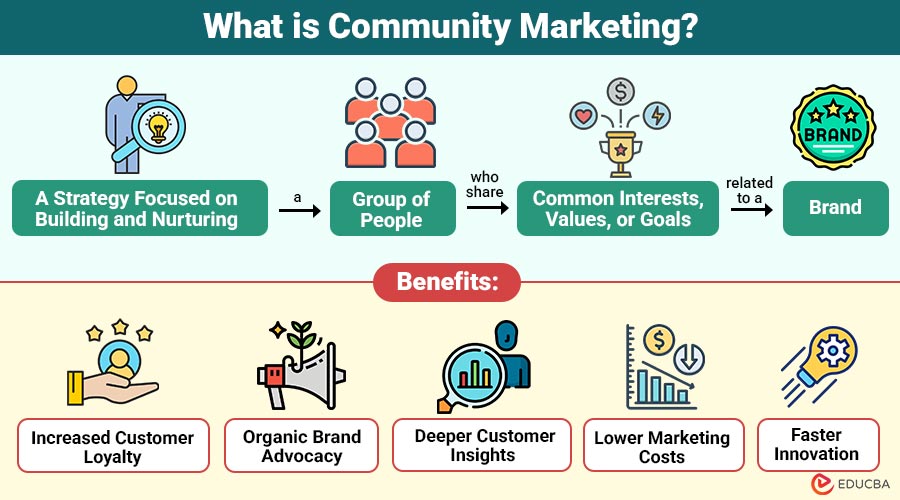
Community marketing is a strategy focused on building and nurturing a group of people who share common interests, values, or goals related to a brand. Instead of one-way promotion, brands facilitate conversations, collaboration, and peer-to-peer engagement within dedicated communities.
These communities may exist on:
- Brand-owned platforms (forums, apps, customer portals)
- Social platforms (LinkedIn groups, Discord, Slack, Facebook)
- Offline or hybrid environments (events, meetups, conferences)
The primary objective is not immediate sales but long-term relationships that organically drive retention, advocacy, feedback, and sustainable growth.
Table of Contents:
- Meaning
- Why Community Marketing Matters?
- Core Principles
- Types
- Benefits
- How to Build a Successful Community Marketing Strategy?
- Tools
- Challenges
- Real-World Examples
- Future Trends
Key Takeaways:
- Community marketing prioritizes authentic engagement over promotion, fostering trust, loyalty, advocacy, and long-term customer relationships.
- Successful communities unite members around shared purpose, provide value, encourage participation, and maintain consistent communication and moderation.
- Engaged communities reduce marketing costs, accelerate innovation, generate referrals, and deliver real-time customer insights for informed strategies.
- Technology, AI, and creator-led strategies are shaping future communities, enhancing personalization, governance, and seamless commerce integration opportunities.
Why Community Marketing Matters?
Community marketing has become essential due to several market shifts:
1. Ad Fatigue and Declining Trust
Consumers ignore intrusive ads and trust peer recommendations and community-driven conversations more than traditional advertising.
2. Rising Customer Acquisition Costs
Retaining loyal customers and encouraging advocacy costs less than continuously acquiring new users through paid channels.
3. Desire for Authenticity
Customers value brands that listen, engage meaningfully, and build relationships rather than aggressively push sales.
4. Network Effects
Active communities drive organic growth through referrals, shared expertise, collaboration, and continuous peer-to-peer engagement.
Core Principles of Community Marketing
Successful community marketing initiatives are built on the following principles:
1. Value Before Promotion
Communities should provide education, support, recognition, or networking benefits before expecting promotions, sales, or advocacy.
2. Two-Way Engagement
Brands must facilitate conversations by listening, responding thoughtfully, and encouraging dialogue rather than broadcasting one-way messages.
3. Shared Purpose
Successful communities unite members around a clear mission, identity, or shared challenge that fosters belonging.
4. Consistency and Trust
Regular interactions, transparency, and well-defined guidelines build long-term trust and credibility within the community.
5. Member Empowerment
Empowered members actively contribute, lead discussions, share knowledge, and support peers, strengthening overall community growth.
Types of Community Marketing
Community marketing can take several forms depending on business goals and audience needs:
1. Brand Communities
Communities centered on specific products or services where users share experiences, tips, feedback, and best practices together.
2. Interest-Based Communities
Communities formed around shared interests aligned with brand values, fostering engagement, learning, and long-term relationships among members.
3. Customer Support Communities
Peer-driven communities that help users solve problems collaboratively, reducing support workload while improving customer satisfaction and loyalty.
4. Advocacy and Ambassador Communities
Communities of loyal customers who advocate brands organically through testimonials, referrals, reviews, and word-of-mouth marketing efforts globally.
5. Internal or Partner Communities
Private communities connecting employees, partners, or creators to collaborate, share insights, and drive innovation together efficiently and continuously.
Benefits of Community Marketing
Here are some key benefits that brands can gain from building and nurturing engaged communities:
1. Increased Customer Loyalty
Engaged community members remain loyal, renew subscriptions, upgrade products, and maintain long-term relationships with brands over time.
2. Organic Brand Advocacy
Communities encourage referrals, reviews, testimonials, and user-generated content that authentically promote brands globally, without paid advertising.
3. Deeper Customer Insights
Direct community interactions provide real-time feedback, product ideas, sentiment insights, and a deeper understanding of customer needs continuously.
4. Lower Marketing Costs
Word-of-mouth recommendations and peer support significantly reduce overall reliance on expensive paid marketing and customer-acquisition channels.
5. Faster Innovation
Active community feedback speeds product iteration, validates features early, and drives faster, customer-aligned innovation cycles across teams.
How to Build a Successful Community Marketing Strategy?
Here are the essential steps to create, grow, and maintain a thriving, engaged community:
1. Define Your Purpose
Clearly define the community’s purpose and unique value beyond products, aligning goals with member expectations and outcomes.
2. Identify Your Audience
Identify target members and understand their needs, motivations, challenges, and preferred platforms for meaningful engagement and long-term participation.
3. Choose the Right Platform
Choose platforms that align with engagement goals, scalability needs, moderation capabilities, integrations, and community growth potential over time.
4. Establish Guidelines
Establish clear guidelines covering behavior, moderation, content standards, conflict resolution, and enforcement to maintain trust consistently in the long term.
5. Create Valuable Content
Create valuable content, including education, discussions, AMAs, events, and exclusive insights that encourage ongoing participation and learning.
6. Encourage Participation
Encourage participation by recognizing contributors, rewarding engagement, highlighting success stories, and empowering community leadership to grow trust and ownership.
Tools Commonly Used in Community Marketing
Here are some essential tools that help brands build, engage, and analyze thriving communities effectively:
1. Community Platforms
Dedicated community platforms like Circle, Discourse, and Mighty Networks centralize discussions, content, member management, and scalable engagement features.
2. Chat-based Tools
Chat-based tools such as Slack and Discord enable real-time conversations, collaboration, quick feedback, and informal community bonding spaces.
3. Social Platforms
Social platforms like LinkedIn Groups and Facebook Groups leverage existing networks to build communities and extend reach organically.
4. Engagement Tools
Engagement tools, including polls, events, gamification, and badges, motivate participation, recognize contributions, and sustain long-term member activity and interest.
5. Analytics Tools
Analytics tools track community health metrics, engagement trends, and sentiment insights to guide strategic, effective decisions for continuous improvement.
Challenges in Community Marketing
Despite its benefits, community marketing presents challenges:
1. Sustaining Long-term Engagement
Maintaining consistent participation over time requires fresh value, active facilitation, incentives, and continually aligned, evolving content strategies.
2. Balancing Moderation with Freedom of Expression
Moderating discussions fairly while preserving open expression requires clear guidelines, empathy, transparency, and responsive community leadership.
3. Measuring ROI Beyond Vanity Metrics
Demonstrating community ROI requires linking engagement to retention, revenue, insights, advocacy, and long-term business outcomes in a clear, consistent way.
4. Avoiding Over-Commercialization
Excessive promotion risks eroding trust, reducing authenticity, and discouraging participation within community-driven environments through constant sales-focused messaging.
5. Scaling without Losing Authenticity
Scaling communities successfully requires preserving genuine relationships, culture, values, and personalized interactions as membership grows globally sustainably.
Real-World Examples
Here are some notable real-world examples of community-driven brands successfully engaging and empowering their audiences:
1. LEGO Ideas
LEGO invites fans to submit designs, vote, and collaborate, transforming passionate customers into active co-creators worldwide and shaping products.
2. Salesforce Trailblazer Community
Salesforce empowers users through learning, certifications, and peer support, building expertise, trust, and long-term platform loyalty globally.
3. Peloton Member Community
Peloton blends fitness experiences, social interaction, competition, and motivation, fostering emotional connections and strong brand attachment among members.
4. Notion Community
Notion grows organically by enabling creators, templates, ambassadors, and education-driven communities that share knowledge and best practices globally.
Future Trends in Community Marketing
Here are some key trends shaping the future of community marketing:
1. AI-Assisted Community Management
AI will enhance community management by supporting moderation, providing personalized experiences, and generating actionable insights to improve engagement.
2. Creator-Led Communities
Brands will collaborate with niche creators, fostering authentic, trust-driven micro-communities that consistently increase engagement and brand loyalty.
3. Integrated Commerce
Communities will directly influence purchases by offering recommendations, live interactions, and seamless shopping experiences within their environments.
4. Decentralized Communities
Blockchain-based ownership models will redefine participation, providing members with incentives, rewards, and greater control over community governance and decision-making.
Final Thoughts
Community marketing shifts focus from transactions to relationship-driven growth. By fostering spaces where customers feel heard, valued, and connected, brands build trust that advertising cannot buy. In today’s competitive digital landscape, communities are strategic assets. Investing in authentic engagement cultivates loyal advocates, strengthens brand resilience, and drives sustainable long-term growth for organizations.
Frequently Asked Questions (FAQs)
Q1. Is community marketing suitable for small businesses?
Answer: Yes. Even small, niche communities can drive strong loyalty and referrals.
Q2. How long does it take to see results?
Answer: Community marketing is a long-term strategy; meaningful results typically appear over months, not weeks.
Q3. Can community marketing replace traditional marketing?
Answer: No. It complements traditional marketing by strengthening trust and retention.
Q4. How do you measure community success?
Answer: Key metrics include engagement rate, retention, sentiment, referrals, and customer lifetime value.
Recommended Articles
We hope that this EDUCBA information on “Community Marketing” was beneficial to you. You can view EDUCBA’s recommended articles for more information.

