


Updated November 26, 2025
AI Skills for Modern Designers: Overview
The graphic design field is changing more quickly than ever. New AI-powered tools are reshaping what it means to be a designer. Success depends on blending creativity with technical expertise. This guide explores the major trends and essential AI skills for modern designers in 2025. Staying ahead now means understanding these changes. Design is no longer only about creating beautiful visuals. It is about crafting intelligent, interactive, and physics-accurate graphics. Here are the concepts leading this evolution.
The Rise of Physics-Aware Design
The new norm is physics-aware design. It means software understands how the real world works. This includes light, gravity, and texture. This approach moves beyond flat images. It builds trust through realism. A product that looks truly tangible is more appealing. Physics-aware design is crucial for professional work. It separates amateur results from high-end visuals. Realism builds credibility.
Simulating Natural Forces
Objects interact with their environment. They have weight. They bend and fold. Simulating forces like gravity is key. It makes fabric drape naturally. It makes hair flow realistically. This makes animations and still images more dynamic. It tells a story about the object’s properties. A banner blowing in the wind feels alive and authentic.
Crafting Authentic Material Textures
Physics-aware tools simulate this at a high level. They replicate how light scatters on different materials. This tactile quality is powerful. It allows viewers to almost “feel” the design. This builds a stronger sensory experience. It is critical for product presentations and brand assets.
The Need for Integrated AI Assistance
AI is no longer a backup it is a highly capable assistant that boosts productivity. A major part of AI skills for modern designers is knowing how to collaborate effectively with AI tools.
AI can:
- Automate repetitive tasks
- Suggest layouts and compositions
- Generate base assets for refinement
- Understand natural language commands
The best AI systems integrate smoothly into design workflows, making complex tasks simple and intuitive.
Introducing the Nano Banana Pro Workflow
Many tools offer basic features. The Nano Banana Pro stands out. It meets the demands of modern design. It integrates advanced capabilities directly into the creative process. This tool focuses on two key areas.
- Achieving Realism with Physics-Aware Generation: The Nano Banana Pro engine is physics-aware. It automatically calculates how light should fall on an object. It simulates how materials interact. This ensures every render looks authentic. Designers can create product mockups that look like photographs. They can build scenes with perfect lighting.
- Simple Editing in Gemini 3 Pro: The Edit with Gemini 3 Pro feature is a game-changer. It allows designers to make changes using simple text commands. You can tell the AI what you want to change. It executes the edit precisely. This makes complex tasks simple. You can say “change the background to a sunset” or “make the fabric denim.” The Nano Banana Pro does the technical work.
Essential AI Skills for Modern Designers
Mastering software is essential. However, designers must also develop strategic thinking. The profession is evolving. These are the skills that are critical for career growth.
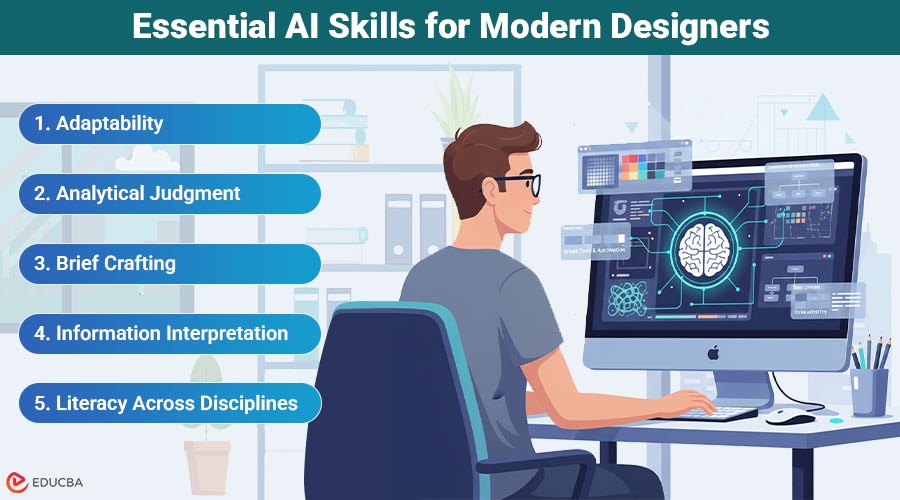
- Adaptability: Swiftly implementing innovative workflows and new software.
- Analytical Judgment: Assessing digitally generated options and guiding creative outcomes.
- Brief Crafting: Writing clear directions for digital tools to attain the desired result.
- Information Interpretation: Transforming difficult data into eye-catching and clear images.
- Literacy Across Disciplines: Learning the basic ideas of marketing, narrative, and UX.
Final Thoughts
The future of design is bright, but far more technical. To stay relevant, designers must understand physics-aware workflows and master AI skills for modern designers. Your portfolio should reflect modern capabilities animated simulations, realistic materials, gravity-aware visuals, and AI-enhanced case studies. Demonstrate how you used physics-aware generation or AI-powered workflows to achieve results. Designers who embrace these innovations will lead the industry in 2025 and beyond.
Recommended Articles
We hope this guide on AI skills for modern designers helps enhance your design expertise. Check out these recommended articles for more tips and strategies to advance your creative workflow.


