


Introduction to Mobile Clinics
Millions of people struggle to access basic healthcare due to distance, cost, or lack of local facilities. Mobile clinics solve this problem by bringing medical services directly to communities that need them most. These units are reshaping how healthcare reaches underserved populations while creating new opportunities for business partnerships in the healthcare sector.
What Are Mobile Clinics?
Mobile clinics are fully equipped medical units that travel to patients rather than waiting for patients to come to them. These vehicles range from converted vans to large buses outfitted with examination rooms, diagnostic equipment, and treatment supplies. Their core purpose is simple. They remove obstacles that keep people from accessing healthcare. Whether someone lives in a remote area, lacks transportation, or faces other challenges, mobile clinics bring care directly to them. These units serve diverse populations, including farmworkers, homeless individuals, school children, and elderly residents in remote communities.
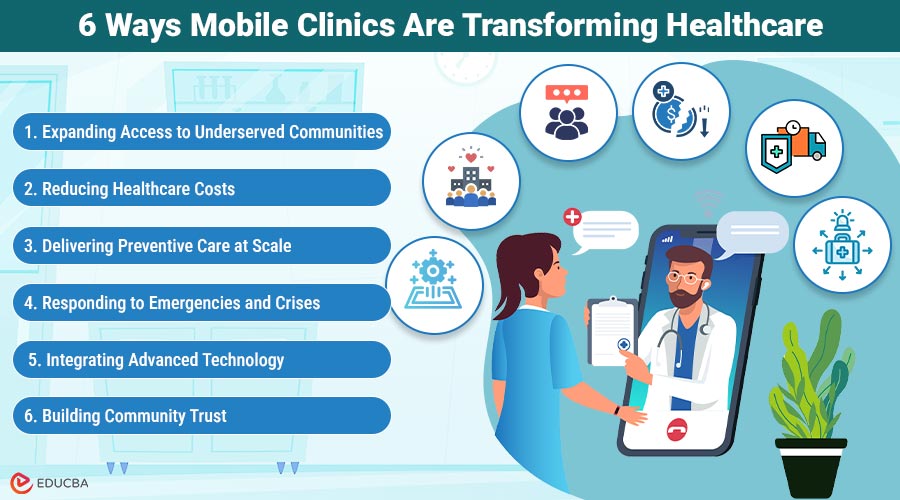
6 Ways Mobile Clinics Are Transforming Healthcare
Mobile clinics are changing how healthcare reaches people, making it more accessible, affordable, and community-focused.
1. Expanding Access to Underserved Communities
Mobile clinics reach people who would otherwise go without care. Access to rural healthcare is difficult for residents living hours from the nearest hospital, making routine checkups a challenge. Low-income urban residents often struggle to access care due to insurance gaps, rigid work hours, and poor transportation. Marginalized groups, including immigrants, homeless populations, and migrant workers, benefit tremendously from mobile services. These units reduce the intimidation of traditional medical settings while providing culturally sensitive care.
2. Reducing Healthcare Costs
Prevention costs far less than emergency treatment. Mobile clinics catch health issues early, before they become expensive crises requiring hospitalization. A routine diabetes screening on a mobile unit might cost $50. That same patient visiting an ER for diabetic complications could generate bills exceeding $10,000. The initial investment in mobile healthcare infrastructure varies considerably depending on factors such as mobile clinic cost analyses, but the long-term savings for healthcare systems quickly offset these startup expenses. Mobile clinics reduce costs and improve patient outcomes.
Cost savings impact multiple stakeholders:
- Patients avoid catastrophic medical debt
- Insurance companies reduce claim payouts
- Healthcare systems decrease ER overcrowding
Communities with active mobile clinic programs report significant reductions in preventable hospitalizations.
3. Delivering Preventive Care at Scale
Preventive services are the specialty of mobile clinics. Vaccination drives can immunize thousands of children in just a few weeks, protecting entire communities from disease outbreaks. Health screenings catch conditions like high blood pressure, diabetes, and cancer in early stages when treatment is most effective. Educational programs teach nutrition and disease prevention to populations with limited health literacy. Mobile units bring healthcare to hard-to-reach places like schools, community centers, and markets.
4. Responding to Emergencies and Crises
Natural disasters destroy infrastructure and displace populations. Mobile clinics quickly reach disaster areas to deliver urgent care when hospitals are damaged or unreachable. During the COVID-19 pandemic, mobile testing and vaccination sites proved essential. These units reached vulnerable populations, reducing disease spread and saving lives. This demonstrated the importance of a global health security infrastructure that can adapt to emerging threats. Public health emergencies require flexible response capabilities. Mobile clinics provide scalable and deployable healthcare that adapts to changing needs.
5. Integrating Advanced Technology
Modern mobile clinics rival stationary facilities with technological innovations. Telemedicine connects patients with specialists hundreds of miles away, enabling complex diagnoses without travel. Portable diagnostic equipment performs on-site lab work, imaging, and testing. AI-driven analytics help providers identify health trends and predict community needs.
Technology enhancements include:
- Solar panels for off-grid operation
- Electronic health records that are accessible across facilities
- Real-time inventory tracking for medical supplies
These innovations make mobile healthcare more effective than ever before.
6. Building Community Trust
Marginalized communities often find traditional healthcare settings intimidating or unwelcoming. Mobile clinics operate differently, establishing presence in familiar neighborhoods and building relationships over time. Staff often come from the communities they serve, speaking local languages and understanding specific needs. Regular visits create continuity of care, fostering trust. Building this trust helps break down the psychological barriers that prevent people from seeking care, leading to improved health outcomes and stronger overall community well-being.
B2B Partnership Opportunities in Mobile Healthcare
Collaborating with mobile clinics offers businesses an opportunity to expand their reach while improving community health.
1. Healthcare Technology Providers
Telemedicine platforms can partner with mobile clinics to expand their reach and demonstrate real-world impact. Diagnostic equipment manufacturers gain valuable testing grounds for portable devices. Health IT companies find eager customers for electronic records systems, scheduling software, and patient communication tools. These partnerships benefit both parties technology firms access new markets while mobile providers enhance their service capabilities.
2. Corporate Wellness Programs
Employers increasingly bring healthcare to their workforce rather than relying on employees to seek care independently. Mobile clinics offer an ideal solution for workplace health services. On-site flu shots, health screenings, and wellness checks improve employee health while reducing absenteeism. This also means reduced healthcare costs for employers, as they save money on insurance premiums when their workforce stays healthier. This model works particularly well for manufacturing facilities, construction sites, and other locations where workers can not easily leave during business hours.
3. Pharmaceutical and Medical Supply Companies
Pharmaceutical companies can partner with mobile clinics for medication distribution programs, especially for chronic disease management in underserved areas. Medical supply firms benefit from reliable, high-volume customers who need consistent inventory. Collaborative distribution enables both parties to work more efficiently while enhancing patient access to essential treatments.
Challenges Facing Mobile Clinic Operations
Despite their benefits, mobile clinics face significant obstacles:
- Funding limitations: Grant-dependent operations struggle with financial sustainability
- Staffing shortages: Recruiting qualified healthcare providers for mobile work is difficult
- Regulatory complexity: Multi-state operations navigate varied licensing requirements
- Maintenance costs: Vehicles and equipment require ongoing investment
Addressing these challenges requires innovative solutions and stronger support systems.
Future of Mobile Healthcare Delivery
Mobile clinics are expanding beyond basic services into specialized care areas. Dental, mental health, and even surgical units now serve remote populations. Policy support is critical for scaling operations. Reimbursement parity with traditional facilities, streamlined licensing, and infrastructure funding would accelerate growth. Decentralized care models are becoming the future of healthcare. Mobile clinics pioneered this approach, proving that quality care does not require brick-and-mortar facilities.
Final Thoughts
Mobile clinics are revolutionizing healthcare access while creating lucrative partnership opportunities. Whether you are a technology provider, corporate wellness coordinator, or healthcare supplier, the mobile clinic sector offers meaningful ways to improve health outcomes while building sustainable business models.
Recommended Articles
We hope this guide on Mobile Clinics helped you understand how they expand healthcare access. For more insights, explore related articles below:

