
Introduction
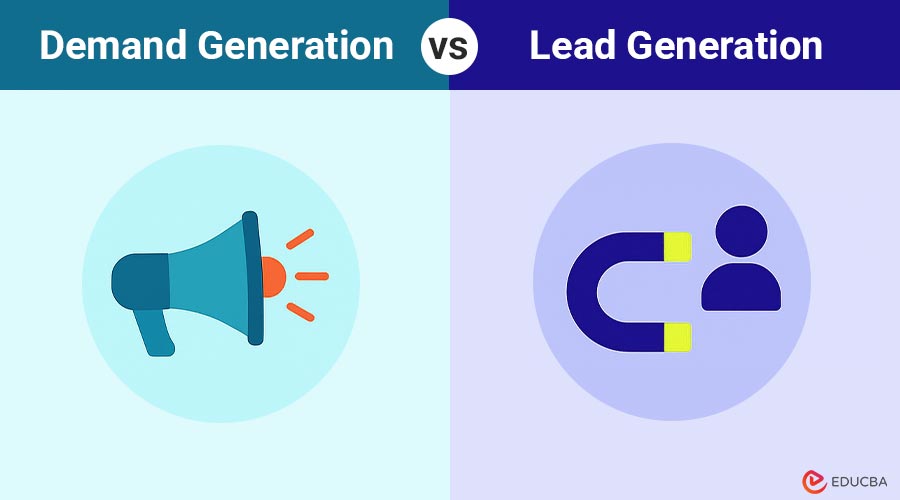
In today’s competitive digital marketing world, attracting the right audience and converting them into customers requires a strategic blend of awareness, interest, and engagement. Demand Generation vs Lead Generation plays a crucial role in this journey. Though often confused, each serves a unique purpose in the marketing funnel. Understanding their differences helps businesses plan smarter campaigns, optimize budgets, and build a long-term, sustainable customer pipeline through focused demand generation solutions.
Table of Contents:
- Introduction
- What is Demand Generation?
- What is Lead Generationn?
- Key Differences
- Use Cases
- Advantages and Disadvantages
- Real-World Examples
- Strategies
- Which One Should You Focus on?
What is Demand Generation?
Demand Generation is a broad marketing strategy focused on creating awareness, interest, and desire for product or service. By educating the public, fostering trust, and establishing the brand as a thought leader, it builds enduring partnerships.
Key Features:
- Focuses on the top of the funnel (TOFU).
- Aims to build brand visibility and market interest.
- Works over a longer timeline.
- Delivers non-intrusive, value-driven content.
- Builds future-ready audiences, not immediate leads.
Examples:
- Blog articles, podcasts, and webinars
- SEO and thought leadership
- Social media engagement
- Product storytelling
- Brand campaigns
What is Lead Generation?
Lead Generation is a targeted process of capturing information (name, email, phone number, company, etc.) from potential customers who have shown interest. Its main goal is to turn anonymous prospects into qualified leads that sales teams can pursue.
Key Features:
- Focuses on MOFU and BOFU, the middle and bottom of the funnel.
- Collects customer information through gated content or forms.
- Works on shorter sales timelines.
- Uses high-intent content to drive conversions.
- Provides sales-ready prospects.
Examples:
- Free eBooks, papers, and guides (gated)
- Sign-up forms, landing pages, and demo requests
- Lead magnets
- Paid ads targeting specific audiences
- Email opt-in campaigns
Demand Generation vs Lead Generation: Key Differences
Here are the key differences presented in a simple comparison table.
| Aspect | Demand Generation | Lead Generation |
| Primary Focus | Create awareness and interest | Capture leads and convert interest |
| Funnel Stage | Top of the funnel | Middle & bottom of the funnel |
| Goal | Build brand visibility | Collect prospect information |
| Timeline | Long-term | Short-term or medium-term |
| Content Type | Educational, ungated | Gated, conversion-focused |
| Measurement | Engagement, reach, traffic | Leads, conversion rate, CPL |
| Approach | Value-first; nurturing | Action-driven; capturing |
| Sales Impact | Builds future pipeline | Produces sales-ready leads |
| Examples | Blogs, videos, social content | Forms, sign-ups, gated content |
| Ideal For | New markets, brand building | Revenue-driven, high-intent campaigns |
Use Cases: When to Use Each?
Here are the key use cases for choosing Demand Generation or Lead Generation.
Demand Generation Use Cases:
- Entering a New Market: When customers don’t yet know your brand or product, Demand Gen builds awareness.
- Launching a New Product: Helps educate the audience and create pre-launch hype.
- Building Thought Leadership: Ideal for companies wanting to position themselves as industry experts.
- Long-Term Pipeline Building: Demand Gen nurtures cold audiences who may convert later.
Lead Generation Use Cases:
- Converting High-Intent Traffic: Visitors interested in solutions or products are invited to take action.
- Sales Team Needs More Leads: Lead Gen helps fill the pipeline with qualified prospects.
- Performance-Driven Campaigns: Helpful when focusing on measurable results, such as conversions or cost per lead.
- Retargeting Interested Users: Useful when your audience is already warmed through prior demand generation.
Advantages & Disadvantages of Demand and Lead Generation
Here are the detailed advantages and disadvantages of both approaches for a clearer comparison.
Advantages of Demand Generation:
- Builds Strong Brand Authority: Positions the brand as an industry leader through valuable content.
- Attracts High-quality Organic Traffic: Creates sustained inbound interest without heavy reliance on ads.
- Improves Long-term Conversion Potential: Warms audiences early, making future conversions easier.
- Develops Loyal Followers and Engaged Communities: Strengthens relationships that support long-term growth.
Disadvantages of Demand Generation:
- Takes Longer to Show Measurable Results: ROI is gradual rather than immediate.
- Difficult to Attribute Direct Revenue Impact: Engagement metrics do not always correlate with sales.
- Requires consistent content production and effort: Needs ongoing investment in quality content.
- May not Satisfy Short-term Sales Goals: Not ideal for immediate lead or revenue demands.
Advantages of Lead Generation:
- Generates Measurable and Trackable Results: Clear metrics like CPL, conversion rate, and leads created.
- Supports Short-term ROI and Fast Conversions: Ideal when sales teams need quick opportunities.
- Builds Targeted Customer Databases: Collects actionable contact information for nurturing.
- Enables Personalized Outreach: Sales teams can nurture prospects directly via email or phone.
Disadvantages of Lead Generation:
- Over-gating Content may Reduce Engagement: Users may avoid filling out forms.
- Can Attract Unqualified or Low-intent Leads: Especially when relying heavily on ads.
- Often depends on Paid Marketing Budgets: Cost can rise quickly without optimization.
- Lead Quality Suffers without Prior Demand Generation: Cold audiences convert at lower rates and higher CPL.
Real-World Examples
Here are practical examples that show how demand generation and lead generation work in real businesses.
1. Demand Generation Example
HubSpot offers free blogs, templates, YouTube videos, and educational resources. These build trust, attract millions of visitors, and create a large audience.
2. Lead Generation Example
Salesforce asks visitors to sign up for demos, webinars, and gated eBooks. This helps them collect contact details and nurture leads into customers.
Strategies for Effective Demand and Lead Generation
Here are the most effective strategies for strengthening both demand generation and lead generation efforts.
Demand Generation:
- Content Marketing: High-quality blogs, videos, infographics, and podcasts help educate the audience.
- Social Media Marketing: Engaging posts, interactive content, and storytelling enhance awareness.
- SEO & Organic Traffic: Ranking high for informational searches builds consistent visibility.
- Event Marketing: Workshops, webinars, and conferences bring audiences closer to the brand.
Lead Generation:
- Gated Content: eBooks, reports, and templates that require user sign-up.
- Landing Pages & Forms: Dedicated pages optimized for conversions.
- Paid Ads: Targeted campaigns on Google Ads, LinkedIn, Facebook, and Instagram.
- Email Marketing: Follow-up drip campaigns to nurture leads toward purchase.
Which One Should You Focus On?
If your goal is long-term growth, brand authority, and audience building, → Choose Demand Generation.
If your goal is immediate conversions, measurable results, and sales-ready, Leads → Choose Lead Generation.
For best performance, integrate both:
- Use Demand Gen to warm the audience.
- Use Lead Gen to convert them at the right time.
This dual approach builds a sustainable, scalable, and profitable marketing pipeline.
Frequently Asked Questions (FAQs)
Q1. Should startups invest in Demand Generation?
Answer: Yes. Startups need brand visibility and trust before expecting conversions.
Q2. What metrics measure Demand Generation?
Answer: Traffic, engagement, impressions, clicks, social reach, and brand recall.
Q3. What metrics measure Lead Generation?
Answer: Leads, form fills, conversion rates, cost per lead, and pipeline value.
Q4. Can a business run Lead Generation without Demand Generation?
Answer: Yes, but lead quality will be low and the cost per lead much higher.
Final Thoughts
Demand Generation and Lead Generation are vital components of a strong marketing strategy. Demand Generation builds awareness, interest, and trust, while Lead Generation captures qualified prospects ready for engagement. When combined effectively, they enhance brand reputation, boost lead quality, lower acquisition costs, and drive sustainable growth—ensuring a healthy, predictable, and scalable marketing funnel that supports long-term business success.
Recommended Articles
We hope that this EDUCBA information on “Demand Generation vs Lead Generation” was beneficial to you. You can view EDUCBA’s recommended articles for more information.

