
Succession Planning
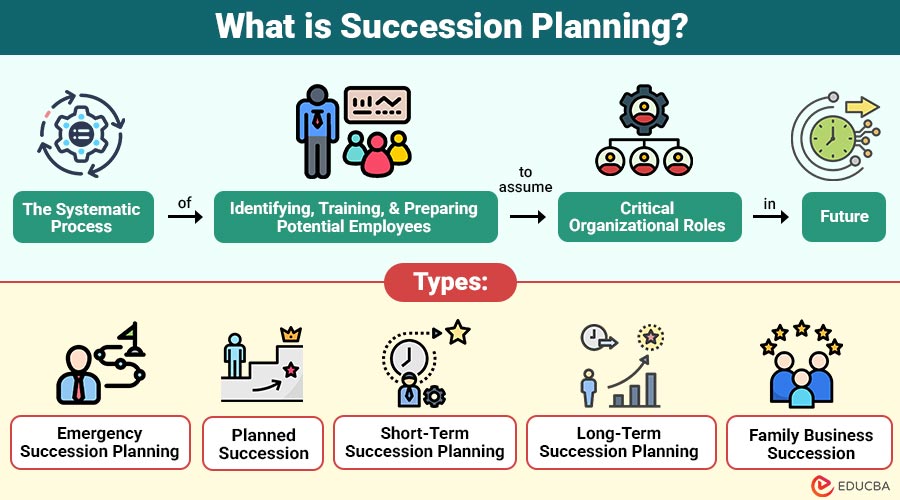
Succession Planning refers to the systematic process of identifying, training, and preparing potential employees to assume critical organizational roles in the future. It focuses on developing internal talent so that when leadership or other key positions become vacant, the organization already has capable successors ready to step in.
For example, consider a large manufacturing firm where the Head of Operations plans to retire in two years. Through succession planning, the company identifies a senior operations manager with strong leadership potential. The manager is trained, mentored, and exposed to strategic responsibilities to ensure readiness when the leadership position becomes vacant.
Table of Contents:
Key Takeaways:
- Succession planning cultivates future-ready leaders, ensuring seamless leadership transitions and sustained business growth.
- A strong succession strategy minimizes disruption, enhances employee morale, and preserves organizational knowledge and expertise.
- Regular updates and mentorship programs strengthen leadership pipelines and align with evolving business goals.
- Effective succession planning boosts retention, promotes transparency, and ensures long-term organizational stability.
Importance of Succession Planning
Succession Planning is not just about switching leaders; it is about ensuring business sustainability. The process helps organizations avoid disruptions and maintain productivity during leadership transitions. Here is why it is important:
1. Ensures Business Continuity
When a key leader leaves suddenly, organizations without a succession plan often face instability. Having a pipeline of trained successors ensures that operations continue seamlessly.
2. Retains Top Talent
Employees are more likely to stay when they see clear career progression paths. Succession Planning motivates employees by showing that the organization invests in their future growth.
3. Reduces Recruitment Costs
Hiring externally for leadership roles can be expensive and time-consuming. Succession Planning minimizes this need by developing internal talent.
4. Enhances Employee Morale
Knowing that internal promotions are possible encourages employees to perform better and take ownership of their roles.
5. Protects Organizational Knowledge
When senior employees retire or leave, they take with them valuable knowledge and expertise. Succession Planning helps transfer this expertise to future leaders.
Objectives of Succession Planning
The main objectives of succession planning are:
1. Leadership Continuity
Fills key leadership positions promptly, minimizing operational disruptions and maintaining stability during organizational transitions.
2. Talent Development
Focuses on developing employees’ talents and preparing high-potential people for positions of leadership within the company in the future.
3. Strategic Alignment
Aligns leadership development efforts with long-term organizational goals to ensure future leaders drive the company’s strategic direction.
4. Risk Management
Reduces risks linked to sudden leadership changes by ensuring continuity, stability, and effective decision-making during transitions.
5. Employee Engagement
Motivates employees by offering career advancement opportunities, enhancing loyalty, performance, and long-term organizational commitment.
Succession Planning Process
A structured process ensures that the right people are prepared for the right roles at the right time. Below are the key steps involved:
Step 1: Identify Key Roles
Identify the roles that are critical to the organization’s success, typically including senior management, department heads, or specialized positions.
Step 2: Define Role Requirements
List the skills, competencies, and experience needed to perform these roles effectively.
Step 3: Assess Current Talent
Evaluate the performance, potential, and leadership capabilities of current employees. Use performance reviews, assessments, and feedback tools to identify high-potential candidates.
Step 4: Create Development Plans
Provide training, mentoring, and job rotation opportunities to help potential successors gain the required skills and experience.
Step 5: Implement and Monitor Progress
Track development milestones and make adjustments as necessary. Regularly review the progress of identified successors.
Step 6: Communicate the Plan
Ensure transparency by communicating opportunities for growth and leadership development within the organization.
Step 7: Evaluate and Update the Plan
It is an ongoing process. Review the plan annually to adapt to changing business needs, retirements, or new strategic goals.
Types of Succession Planning
Organizations may adopt different types based on their size, industry, and goals:
1. Emergency Succession Planning
This plan prepares an organization for sudden leadership departures due to illness, resignation, or death. It ensures continuity by designating backup leaders who can step in immediately.
2. Planned Succession
Planned succession focuses on expected transitions such as retirements or scheduled leadership changes, allowing adequate time for training and knowledge transfer.
3. Short-Term Succession Planning
This approach addresses temporary leadership gaps resulting from short-term absences, ensuring that operations continue smoothly until the original leader returns.
4. Long-Term Succession Planning
Long-term planning builds leadership pipelines for the next three to five years through mentoring, leadership programs, and performance tracking.
5. Family Business Succession
This type focuses on preparing the next generation of family members to assume management responsibilities in family-owned enterprises.
Benefits of Succession Planning
A well-executed succession plan offers multiple benefits to both the organization and its employees:
1. Organizational Stability
Ensures business stability during leadership transitions by maintaining a pool of trained, capable leaders ready to step up.
2. Reduced Leadership Gaps
Prevents delays in filling key positions, ensuring smooth workflows, consistent decision-making, and uninterrupted organizational performance.
3. Improved Employee Retention
Encourages employees to remain loyal by showcasing internal career advancement opportunities and long-term professional growth potential.
4. Increased Organizational Agility
Prepares future leaders to adapt quickly to market shifts, challenges, and opportunities, enhancing overall business responsiveness.
5. Stronger Corporate Culture
Promotes a culture of learning, leadership development, and continuous improvement, strengthening internal collaboration and organizational unity.
Real-World Example
Here is a practical example illustrating how effective succession planning facilitates seamless leadership transitions in global organizations.
Case: IBM’s Leadership Succession Model
People have long recognized IBM for its robust succession planning. When former CEO Ginni Rometty stepped down in 2020, her successor, Arvind Krishna, was an internal promotion after years of leadership development within IBM’s structured succession framework.
The transition was seamless because the company had prepared him through mentorship, strategic exposure, and executive training — showcasing how effective succession planning ensures smooth leadership continuity.
Challenges in Succession Planning
Despite its benefits, organizations face several challenges in implementing succession plans effectively:
1. Lack of Leadership Commitment
Without strong support from top management, succession planning often loses focus, priority, and alignment with long-term organizational goals.
2. Bias in Candidate Selection
Favoritism or personal bias can result in unfair evaluations, overlooking truly deserving candidates for leadership development opportunities.
3. Inadequate Talent Pipeline
Failure to identify and develop potential leaders early leads to leadership shortages and weak succession readiness across departments.
4. Resistance to Change
Existing leaders may resist mentoring their successors or delegating responsibilities, which can hinder smooth transitions and leadership development efforts.
5. Unclear Career Paths
Employees often lack visibility into promotion criteria and growth opportunities, which reduces their motivation to pursue leadership development programs.
Best Practices for Effective Succession Planning
To overcome these challenges, organizations should adopt best practices such as:
1. Start Early
Develop leadership pipelines well in advance to ensure smooth transitions and readiness when key positions become vacant.
2. Integrate with HR Strategy
Align succession planning with performance management, training, and talent development programs to build a cohesive leadership framework.
3. Encourage Mentorship
Promote mentor relationships to share knowledge, enhance leadership skills, and prepare successors for future organizational responsibilities.
4. Maintain Transparency
Communicate succession planning processes clearly to employees, reducing misunderstandings, favoritism, and promoting trust across all organizational levels.
5. Regularly Update Plans
Review and adjust succession strategies periodically to reflect organizational changes, emerging skills, and evolving business needs.
Final Thoughts
Succession Planning is a strategic investment in an organization’s future. It ensures that when leadership transitions occur, they happen smoothly and without jeopardizing business performance. By identifying, developing, and retaining top talent, companies can secure their long-term success and sustain a competitive edge. In today’s dynamic business environment, organizations that proactively plan for leadership continuity not only mitigate risk but also empower their workforce with a clear vision for growth.
Frequently Asked Questions (FAQs)
Q1. How often should succession planning be reviewed?
Answer: It should be reviewed annually or whenever significant organizational changes occur.
Q2. Who is responsible for succession planning?
Answer: Succession planning is a joint responsibility between senior management and the HR department.
Q3. Can small businesses implement succession planning?
Answer: Yes, even small businesses benefit from identifying and training future leaders to handle key roles.
Q4. What tools are used in succession planning?
Answer: Organizations use tools like talent matrices, performance appraisals, leadership assessments, and development programs.
Recommended Articles
We hope that this EDUCBA information on “Succession Planning” was beneficial to you. You can view EDUCBA’s recommended articles for more information.


