


Introduction
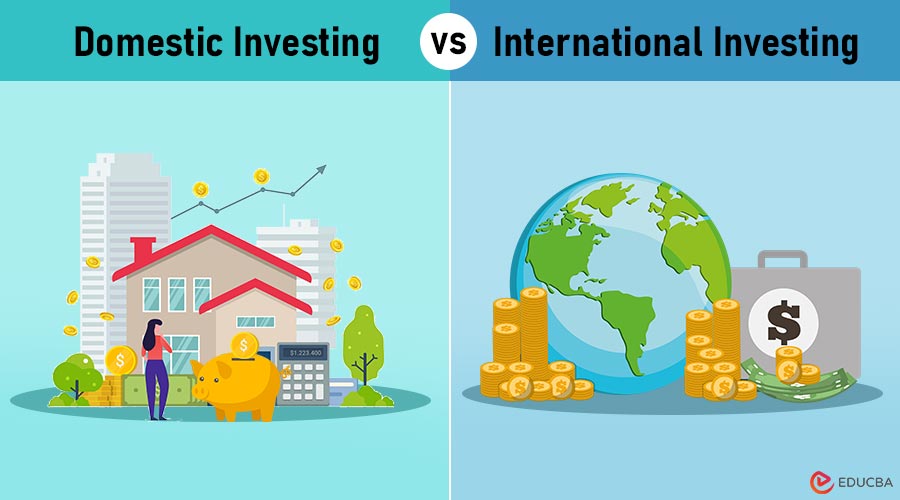
Making smart investment choices is crucial for building wealth and achieving financial objectives. Many investors face the choice between focusing on their home country or exploring opportunities abroad. Each option has its own advantages, risks, and growth potential. Understanding the differences can help make informed decisions. This article explores the key factors, benefits, and challenges of Domestic Investing vs International Investing, assisting investors in planning smarter for the future.
Table of Content:
- Introduction
- What is Domestic Investing?
- Advantages of Domestic Investing
- Limitations of Domestic Investing SEO
- What is International Investing?
- Advantages of International Investing
- Limitations of International Investing
- Key Differences
- How to Choose Between Both?
What is Domestic Investing?
Domestic investing refers to putting your money into financial assets within your own country. This can include stocks, bonds, mutual funds, or real estate. It enables investors to capitalize on familiar markets, regulations, and economic conditions. Domestic investing is often considered safer and easier to manage compared to international investments.
Advantages of Domestic Investing
Investing in domestic markets offers several benefits for investors:
- Familiarity with the Market: Investing locally enables you to better understand market trends, companies, and economic conditions, making it easier to make informed decisions.
- Lower Risk of Currency Fluctuations: Since investments are in your home currency, you avoid the risks associated with exchange rate changes.
- Regulatory Protection: Domestic investments are governed by local laws and regulations, providing better legal protection and transparency.
- Easier Access and Management: Managing investments, tracking performance, and withdrawing funds is simpler when dealing with domestic assets.
- Tax Benefits: Several nations provide tax benefits for domestic investments, including deductions or reduced tax rates on specific investment profits.
- Reduced Political and Economic Uncertainty: You are less exposed to foreign political instability or economic crises, which can impact international investments.
- Supports Local Economy: Investing domestically contributes to the growth of local businesses and infrastructure.
Limitations of Domestic Investing
While domestic investing has advantages, it also comes with certain limitations:
- Limited Diversification: Focusing solely on local markets restricts exposure to global opportunities, potentially reducing potential growth.
- Economic Dependence: Domestic investments are heavily affected by the country’s economic health, political stability, and market fluctuations.
- Lower Growth Potential: Some international markets may offer higher returns, limiting overall portfolio growth if only domestic assets are considered.
- Inflation Risk: Domestic investments might not always match the rate of inflation, particularly during times of economic downturn.
- Currency Stability Irrelevant: While currency risk is lower, investors miss opportunities from favorable foreign exchange gains.
- Sector Limitations: Local markets may have fewer industries or innovative sectors, limiting options for diversification across industries.
- Market Saturation: Popular domestic assets may be overvalued, reducing potential returns compared to untapped international markets.
What is International Investing?
International investing means putting your money into financial assets outside your home country. This can include foreign stocks, bonds, mutual funds, or real estate. It allows investors to access global markets, benefit from economic growth abroad, and diversify their portfolio. International investing can offer higher returns but may involve currency and political risks.
Advantages of International Investing
Investing internationally offers several benefits that can enhance portfolio growth and diversification:
- Global Diversification: Accessing markets worldwide reduces reliance on a single country’s economy and spreads investment risk.
- Higher Growth Potential: Emerging markets or rapidly growing economies can provide higher returns than domestic markets.
- Access to New Industries: Investors can participate in innovative sectors or companies not available in their home country.
- Currency Opportunities: Favorable exchange rate movements can boost investment returns when converting profits back to the home currency.
- Hedge Against Domestic Risk: Investing abroad can protect the portfolio from local economic downturns, political instability, or regulatory changes.
- Portfolio Flexibility: A wide range of international assets allows for better asset allocation and risk management.
- Long-Term Wealth Creation: Exposure to global trends and growth can help achieve higher long-term financial goals.
Limitations of International Investing
While international investing offers growth and diversification, it also comes with certain challenges:
- Currency Risk: Fluctuations in exchange rates can reduce returns when converting profits back to the home currency.
- Political and Economic Risk: Foreign investments are affected by political instability, economic policies, or unexpected regulatory changes in another country.
- Higher Costs: International investing may involve higher transaction fees, taxes, and currency conversion costs.
- Complex Regulations: Each country has different rules for foreign investors, making compliance more complicated.
- Limited Market Knowledge: A lack of familiarity with foreign markets, companies, or economic conditions can make investment decisions more challenging.
- Liquidity Issues: Some international markets may have lower trading volumes, making it difficult to buy or sell assets quickly.
- Time Zone and Communication Barriers: Monitoring and managing investments abroad can be challenging due to time differences and limited access to information.
Key Differences Between Domestic Investing vs International Investing document
| Feature | Domestic Investing | International Investing |
| Market Familiarity | Investors are familiar with local companies, the economy, and regulations. | Investors may lack knowledge of foreign markets and companies. |
| Risk Level | Lower risk due to stable local regulations and currency. | Higher risk from currency fluctuations, political instability, and economic changes. |
| Diversification | Limited diversification, dependent on the local economy and sectors. | Greater diversification across countries, industries, and currencies. |
| Growth Potential | Moderate growth, often slower than emerging markets. | Potential for higher returns, especially in fast-growing or emerging economies. |
| Costs | Lower transaction fees and no currency conversion costs. | Higher costs, including fees, taxes, and currency exchange charges. |
| Liquidity | Easier to buy/sell assets due to higher local trading volumes. | May face lower liquidity and trading challenges in some foreign markets. |
How to Choose Between Domestic and International Investing?
Selecting the right investment approach depends on individual goals, risk tolerance, and market understanding:
- Assess Investment Goals: Determine whether the focus is on stable income, long-term growth, or high returns.
- Evaluate Risk Tolerance: Domestic investing is generally safer, while international investing carries higher risks but potential for higher rewards.
- Consider Investment Horizon: Long-term investors may benefit more from international diversification, while short-term goals may favor domestic markets.
- Understand Market Knowledge: Invest in markets where you have sufficient knowledge or access to reliable information.
- Diversify Your Portfolio: A mix of domestic and international assets can balance risk and returns.
- Check Costs and Taxes: Factor in transaction fees, currency conversion costs, and tax implications for foreign investments.
- Monitor Regularly: Regular portfolio review helps adjust allocations based on market performance and goals.
Conclusion
In today’s global financial landscape, investors have many options to grow their wealth. Choosing the right mix depends on risk tolerance, goals, and market knowledge. While domestic markets offer stability and familiarity, international markets provide opportunities for growth and diversification. Understanding the benefits and challenges of Domestic Investing vs International Investing helps investors make smarter decisions and build a balanced, long-term portfolio for financial success.
Frequently Asked Questions
1. Can beginners start with international investing?
Answer:-Yes, beginners can start small using global ETFs or mutual funds.
2. Is domestic investing completely risk-free?
Answer:- No, domestic investing still carries market and economic risks.
3. Do international investments require a special broker?
Answer:- Often, yes; many foreign markets need brokers that support global trading.
4. Can I switch between domestic and international investments easily?
Answer:- Yes, but it may involve transaction fees and currency conversions.
Recommended Articles
We hope this guide on Domestic Investing vs International Investing helped you understand investment options. Explore more finance tips below:


