


Introduction
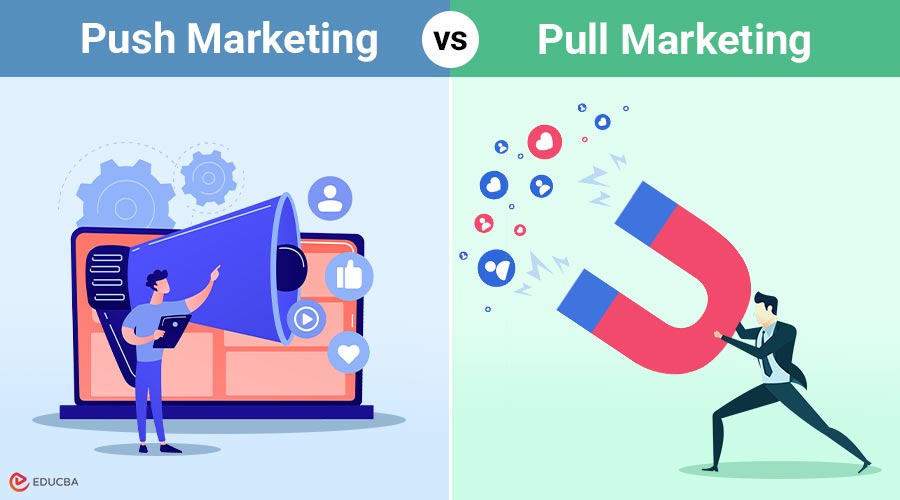
Marketing strategies can be divided into two vital categories: Push Marketing and Pull Marketing. These two approaches define how businesses promote their products and reach their customers. Both strategies aim to increase sales and brand awareness, but they differ in how they engage consumers and deliver products. Understanding the difference between these two approaches — often referred to as Push Marketing vs Pull Marketing — helps businesses build effective marketing campaigns and allocate resources wisely.
Table of Contents:
- Introduction
- What is Push Marketing?
- What is Pull Marketing?
- Key Differences
- Working
- Advantages and Disadvantages
- Whe to Use?
What is Push Marketing?
Push Marketing is a strategy where businesses take their products directly to customers through active promotion. The goal is to “push” product into the market and increase visibility, encouraging customers to make a purchase. In this approach, companies reach out to consumers rather than waiting for them to discover the brand. It is often used when launching new products or entering new markets.
Example: When Coca-Cola places vending machines in malls or sponsors sports events, it is actively pushing its brand to consumers.
What is Pull Marketing?
Pull Marketing focuses on attracting customers naturally by creating brand awareness and building interest over time. The idea is to “pull” consumers toward the product through valuable content, emotional connection, and brand trust. In this method, customers voluntarily seek out a product or brand after being influenced by digital content, social media, or word of mouth.
Example: When Apple launches a new iPhone, customers eagerly line up to buy it. This occurs due to strong brand loyalty and anticipation generated through pull marketing.
Key Differences Between Push Marketing vs Pull Marketing
The following table highlights the main differences between push and pull marketing:
| Basis of Comparision | Push Marketing | Pull Marketing |
| Definition | Promotes products directly to consumers to create immediate demand. | Attracts consumers by generating interest and brand loyalty. |
| Approach | Outbound (reaching out to customers). | Inbound (drawing customers in). |
| Goal | Increase short-term sales and product visibility. | Build long-term customer relationships and brand value. |
| Customer Role | Passive – products are promoted to them. | Active – customers seek out the product. |
| Techniques Used | Direct selling, trade shows, paid ads, promotions. | SEO, social media, content marketing, word-of-mouth. |
| Focus | Product distribution and promotion | Customer engagement and brand experience. |
| Timeframe | Short-term impact. | Long-term impact. |
| Example | Retail promotions or email blasts for discounts. | Engaging YouTube videos or influencer collaborations. |
Working of Push Marketing and Pull Marketing
Here are the key steps that explain how push marketing and pull marketing work.
Push Marketing:
Push marketing operates on distribution and persuasion. The company promotes its product through channels that directly reach customers or retailers. The goal is to make the product easily available and visible.
Steps in Push Marketing:
- Product Creation: Develop a product that meets customer needs.
- Channel Distribution: Place products in stores, online platforms, or through distributors.
- Promotion: Use advertising and incentives to attract attention.
- Sales Support: Offer discounts or limited-time deals to boost purchases.
Pull Marketing:
Pull marketing centers around customer attraction and engagement. Instead of forcing the message onto consumers, it creates value that naturally draws them toward the brand.
Steps in Pull Marketing:
- Market Research: Understanding Customer Needs and Behavior.
- Content Creation: Develop informative and appealing content (blogs, videos, posts).
- Customer Engagement: Utilize social media, SEO, and influencer marketing to connect with your target audience.
- Relationship Building: Offer consistent value and encourage repeat purchases.
Advantages and Disadvantages of Push Marketing and Pull Marketing
Here are the key advantages and disadvantages that explain how each approach impacts marketing performance and brand growth.
Advantages of Push Marketing:
- Immediate Results in Sales: Push marketing drives quick purchases through promotions, personal selling, and direct advertising efforts that encourage instant buying decisions.
- Increases Product Awareness Quickly: It helps new products reach consumers fast through mass advertising, trade shows, and direct distribution strategies for rapid recognition.
- Effective for New or Lesser-known Brands: It provides visibility to emerging brands by aggressively promoting products to retailers and consumers to establish initial market presence.
- Helps Manage Inventory Efficiently: By pushing products into the market, companies can maintain steady inventory turnover and prevent overstocking or storage-related losses.
Disadvantages of Push Marketing:
- Can be Expensive due to Advertising and Promotions: Frequent advertisements, trade discounts, and sales promotions require substantial marketing budgets, which can significantly reduce profit margins.
- Short-term Focus May Not Build Customer Loyalty: Since push strategies emphasize immediate sales, they often neglect relationship-building and long-term customer engagement aspects.
- Customers may Feel Overwhelmed by Constant Ads: Overexposure to repeated advertisements can annoy, leading customers to ignore or avoid the brand entirely.
- Limited Personalization and Feedback: Push marketing often ignores consumer feedback, resulting in less customized and less relevant messaging.
Advantages of Pull Marketing:
- Builds Long-term Customer Loyalty: Pull marketing fosters trust through value-driven content, quality engagement, and personalized experiences that encourage repeat purchases.
- Strengthens Brand Image and Trust: It positions the brand as credible and reliable by focusing on storytelling, authenticity, and consistent customer satisfaction.
- Cost-effective Over Time: Although slower to start, organic traffic, referrals, and brand advocates reduce dependency on paid advertising in the long run.
- Encourages Organic Traffic and Word-of-mouth Promotion: Customers willingly promote the brand through recommendations, reviews, and social media sharing, increasing visibility naturally.
Disadvantages of Pull Marketing:
- Takes Time to Show Results: It requires months of consistent marketing efforts before noticeable increases in traffic, engagement, or conversions appear.
- Difficult for New Brands with Low Visibility: Without existing recognition, attracting customers organically through pull methods is initially challenging.
- Requires Consistent Effort and Quality Content: Continuous creation of high-value content, SEO optimization, and engagement activities are essential to maintain audience interest.
- Dependent on Audience Interest and Trends: Effectiveness declines if audience preferences change or marketing content becomes outdated.
When to Use Push and Pull Marketing?
Choosing between push and pull marketing depends on your business goals, target audience, and market position.
Use Push Marketing When:
- You are launching a new product and need quick visibility.
- You want to achieve a short-term sales boost through promotions or direct selling.
- You operate in a competitive retail environment where aggressive marketing is essential to securing shelf space and gaining attention.
Use Pull Marketing When:
- Your goal is to increase long-term brand awareness and recognition.
- You want to increase consumer trust and brand loyalty.
- You have a limited marketing budget and prefer cost-effective organic methods, such as content marketing or social media engagement.
Final Thoughts
Both Push Marketing vs Pull Marketing are essential components of a successful marketing strategy. Push marketing helps businesses generate immediate sales and visibility, while pull marketing builds lasting customer relationships and brand loyalty. The ideal approach depends on business goals, market conditions, and customer behavior. Combining both strategies enables companies to achieve balanced, sustainable growth and long-term market success.
Frequently Asked Questions (FAQs)
Q1. Which is more cost-effective?
Answer: Pull marketing tends to be more cost-effective over time since it relies on organic growth and customer loyalty.
Q2. Can a business effectively utilize both push and pull marketing strategies?
Answer: Yes. Many successful brands employ a mix of both to strike a balance between short-term sales and long-term growth.
Q3. Which strategy is best for startups?
Answer: Startups can begin with push marketing to gain visibility, then shift to pull marketing to build relationships.
Q4. Why is pull marketing important in the digital era?
Answer: Because customers today prefer researching and discovering brands themselves rather than being directly sold to.
Recommended Articles
We hope that this EDUCBA information on “Push Marketing vs Pull Marketing” was beneficial to you. You can view EDUCBA’s recommended articles for more information.

