


Finding Student Accommodation Abroad
The email arrives, and for a moment, everything stops. The subject line reads: “Congratulations,” “We are pleased to offer you…” A wave of euphoria follows your hard work, late nights, and exams have paid off. You received an acceptance from a university abroad. Yet, as the excitement fades, a pressing question emerges: Where will I live? For many international students, securing student accommodation abroad is one of the most challenging steps in preparing to study overseas.
Navigating a foreign real estate market with its unique customs, contracts, and costs can feel more complicated than the university application process itself. This guide will demystify that process. Using practical strategies and examples, including the competitive property market in Singapore, you will get a clear blueprint to find the perfect student home abroad. Your accommodation is the foundation of your study abroad experience, and getting it right is the first step toward a successful and enriching adventure.
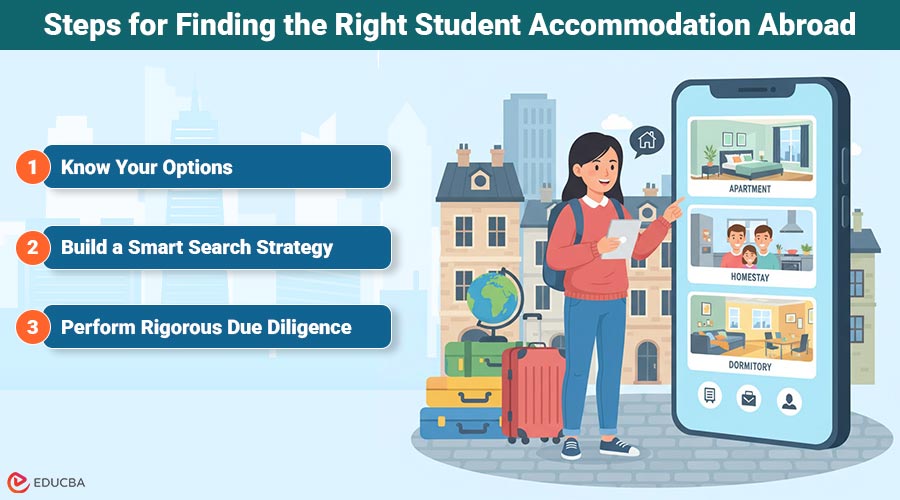
Steps for Finding the Right Student Accommodation Abroad
Follow these essential steps to explore your options, plan your budget, and ensure a safe and comfortable stay while studying abroad.
Step 1: Know Your Options
Before beginning your search, it is essential to understand the types of student accommodation abroad available, each with its unique benefits and challenges.
#1. On-Campus Housing
On-campus housing, often the default choice for first-year students, provides unparalleled convenience. Halls of residence or dormitories are managed by the university, placing you just steps from lectures, libraries, and campus facilities. Living on campus allows easy integration into student life, with opportunities to make friends and participate in university events. Most on-campus accommodations include bills like utilities and internet, and they provide security and oversight, offering peace of mind to students and parents alike. However, supply is limited, often determined by a lottery system, and costs may exceed private alternatives. Additionally, rules on guests, noise, and personalizing your space can be restrictive.
#2. Purpose-Built Student Accommodation
PBSA consists of privately-owned buildings designed exclusively for students, typically located near campuses but independent of the university. They combine the social environment of dormitories with modern amenities, including gyms, study rooms, cinema spaces, and high-speed internet. Managed professionally, these accommodations provide security, maintenance, and a hassle-free experience.
South London students looking for an alternative to uni halls should consider Scape Canada Water, where all-inclusive rent covers bills, Wi‑Fi, gym access, and a packed events calendar.
While PBSA fosters community living, it can be costly and may feel disconnected from local culture, limiting immersion in the city’s authentic lifestyle.
#3. Private Rental Market
Private rentals offer maximum freedom and often the most affordable option. Students can select their location, roommates, and type of accommodation, from local flats to shared luxury apartments. For example, the private market for a room for rent in Singapore is vast and varied, ranging from a room in a local HDB resale flat, which offers an immersive cultural experience, to a shared condominium with a pool and other luxury facilities. In many popular student cities across Europe, the situation is similarly diverse. Those planning to rent a flat in Porto, for instance, will discover a mix of charming historic apartments in the city center and more budget-friendly shared housing options closer to university campuses. This route gives you a real-world lesson in adulting you will be responsible for dealing with landlords, signing contracts, and managing utility bills.
Step 2: Build a Smart Search Strategy
Once you have decided which pillar (or pillars) you want to explore, it is time to begin your search. The golden rule is to start early at least four to six months before your intended move-in date.
#1. Go Digital, But Be Discerning
Your search will primarily take place online. Start with official sources: your university’s accommodation portal is the safest place to begin. For PBSA, use globally recognized and reputable provider websites. For the private market, use the most popular and trusted local property portals in your destination city (a quick Google search for “top property sites in [City Name]” will guide you).
#2. Leverage Community Insights
One of the most valuable, yet underutilized, resources is the existing student community. Search on platforms like Facebook, Reddit, or Discord for groups related to your university, such as “University of [X] International Students 2026” or “University of [X] Housing.” Here, you will find a goldmine of unfiltered advice. Senior students often post sublet offers for their rooms or search for new housemates. You can ask for honest reviews of specific buildings, get tips on reliable agents, and receive warnings about potential scams.
#3. Budget Realistically
Your budget must be comprehensive. The advertised monthly rent is only one part of the equation. Create a simple spreadsheet and factor in all potential costs:
- Upfront Costs: Security deposit (typically one month’s rent), first month’s rent in advance, and potential agent fees.
- Monthly Bills: Electricity, water, gas, internet, and council tax (if applicable to students in that country).
- Commuting Costs: When budgeting, it is crucial to understand the local context. The average rent in Singapore, for example, is high, but the public transport system is world-class and efficient. A cheaper room located further from campus is more economical if it is right next to an MRT station. Use tools like Google Maps to calculate daily commute times and costs before you commit to a lease.
Step 3: Perform Rigorous Due Diligence
The final and most critical phase is protecting yourself from disappointment and fraud.
#1. Inspect Before Signing
Never rent a property sight unseen. If you cannot be there in person, insist on a live, interactive video tour with the agent or landlord. Ask them to show you the view from the window, turn on the taps to check water pressure, and open closets. This helps verify that the property is as advertised and confirms you are dealing with a real person.
#2. Read Contracts Carefully
A tenancy agreement is a legal contract. Read every single word. Pay close attention to the lease length, the conditions for returning your security deposit, the rules about guests or alterations, and the official process for reporting maintenance issues. If you are unsure about any clauses, ask your university’s international student support office for help. Many have services to review rental contracts for free.
#3. Never Pay in Cash
Always use traceable payment methods like a bank transfer or a secure online platform. Avoid anyone pressuring you to decide quickly or requesting large cash or wire deposits before you see and sign a valid contract.
Final Thoughts
Finding student accommodation abroad is undoubtedly a major project, but it is a manageable one. By following a structured approach understanding your options, executing a savvy digital search, and performing rigorous due diligence you can navigate the process with confidence.
Remember that your first home abroad is more than just a place to sleep. It is your sanctuary, your study space, and your launchpad for countless new experiences. It forms the foundation for your academic success and personal growth. Taking the time to find the right home not only provides shelter but also lays the foundation for the exciting journey ahead.
Recommended Articles
We hope this guide to finding the perfect student accommodation abroad helps you start your journey with confidence. Check out these recommended articles for more tips and strategies to secure your ideal home overseas.


