


Legal Obligations for Termination Notice: Overview
Hiring employees is one of the most important steps in running a business. But just as hiring is important, managing exits is equally crucial. Employee termination is not just an emotional decision—it is also a legal process. Employers must understand the legal obligations for termination notice to avoid disputes, legal risks, and damage to the company’s reputation. This guide explains the key rules and responsibilities you need to know.
What is a Notice Period?
A notice period is the time between informing an employee about termination and their last working day. It allows the employee to:
- Prepare for the change
- Look for new job opportunities
- Plan their transition
At the same time, it helps employers organize work handovers and minimize disruption.
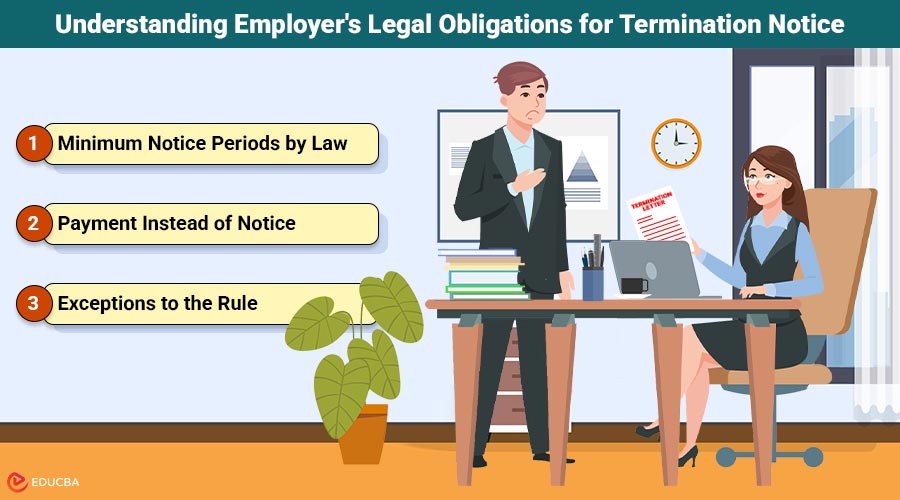
Understanding Employer’s Legal Obligations for Termination Notice
Employers are legally required to give appropriate notice when terminating an employee. This is not optional—workplace laws, contracts, or awards often require it. Below are the key areas to understand:
1. Minimum Notice Periods by Law
The law sets clear minimum notice periods. For example, an employee with one year of service might get one week of notice. They may receive 3 weeks of service after 5 years. This is a core part of your legal obligations for termination notice.
2. Payment Instead of Notice
Sometimes you might not want the employee to work during their notice. In these cases, you can pay them instead. This is called “payment instead of notice.” The payment must be equal to what they would have earned. You must include all their usual pay and entitlements for that period.
3. Exceptions to the Rule
You do not always have to give notice. The main exception is for serious misconduct such as theft, fraud, or violence, where the employer may terminate the employee immediately. If termination happens for such reasons, it must be justified. Ending employment without proper cause is illegal.
Employee Rights During the Notice Period
Employees also have specific rights during their notice period. These include:
- Right to Regular Pay: You must receive your full pay. This includes all your usual wages and allowances.
- Right to Accrued Benefits: Your benefits continue as normal. This covers any accrued annual or personal leave.
- Right to Time Off for Job Hunting: You can take time off to look for a new job. You are entitled to this time without losing pay.
- Right to a Safe Workplace: You must be treated fairly and with respect. The work environment should remain professional and safe.
- Right to a Correct Final Pay: You must receive all owed money on your last day. This includes payment for your entire notice period.
Final Thoughts
Handling an employee well is crucial. It protects your company and shows you value your team. Always know the rules for the contract termination notice period. Give proper written notice and correct final pay. When in doubt, seek professional advice to meet all your legal obligations for termination notice. Doing things the right way is always the best policy.
Recommended Articles
We hope this guide on legal obligations for termination notice helps you manage employee exits smoothly. Check out these recommended articles for more insights on workplace compliance.


