
Introduction
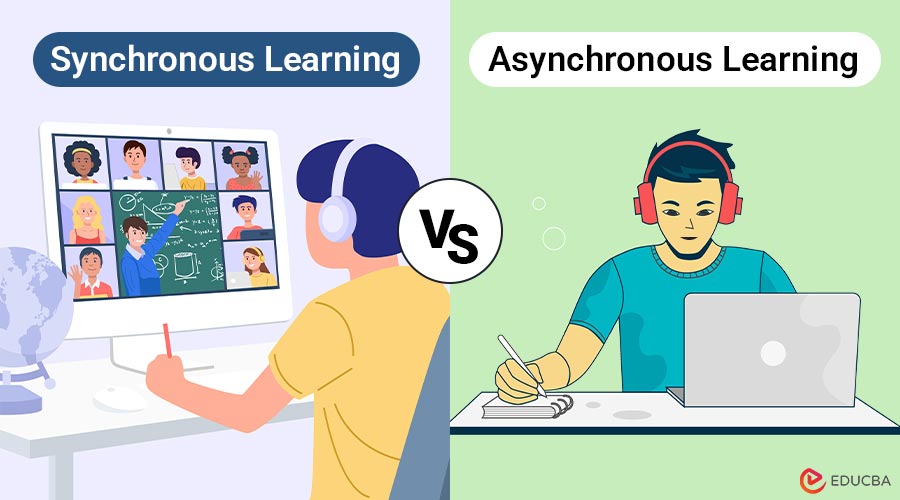
In today’s digital age, education extends beyond traditional classrooms through two primary methods: Synchronous and Asynchronous Learning. These approaches cater to varied learning preferences, offering unique benefits and challenges. Synchronous Learning vs Asynchronous Learning is a key comparison that highlights the contrast between real-time interaction and flexible, self-paced study. This blog examines the differences, advantages, limitations, and use cases of these approaches to help educators, students, and organizations select the most effective learning method.
Table of Contents:
- Introduction
- What is Synchronous Learning?
- What is Asynchronous Learning?
- Key Differences
- Advantages and Disadvantages
- Use Cases and Suitability
- How to Select Between Synchronous and Asynchronous Learning?
- Blended Learning
What is Synchronous Learning?
Synchronous learning refers to real-time, instructor-led education. Learners and teachers interact at the same time, whether in a physical or virtual classroom.
Key Characteristics:
- Live, scheduled sessions
- Real-time interaction between participants
- Fixed timetables and calendars
- Often used in webinars, virtual classrooms, and corporate training
What is Asynchronous Learning?
Asynchronous learning is self-paced education where learners access materials and finish tasks on their own schedule. It does not require participants to be online at the same time.
Key Characteristics:
- Flexible learning schedules
- No live sessions required
- Materials are accessible 24/7
- Independent study with optional peer engagement
Synchronous Learning vs Asynchronous Learning: Key Differences
Below is a comparative table highlighting the key differences between synchronous and asynchronous learning:
| Feature | Synchronous Learning | Asynchronous Learning |
| Interaction Time | Real-time | Delayed |
| Schedule | Fixed schedule | Flexible |
| Pace of Learning | Group-paced | Self-paced |
| Examples | Live webinars, Zoom classes | Pre-recorded videos, LMS activities |
| Student Autonomy | Lower | Higher |
| Feedback | Immediate | Delayed |
| Tech Requirements | High-speed internet, webcams, and microphones | Internet access, LMS access |
| Best For | Real-time engagement, discussions | Self-paced learners, busy professionals |
Advantages and Disadvantages
Below are the advantages and disadvantages of both synchronous and asynchronous learning methods to help understand their practical implications:
Synchronous Learning: Advantages
- Real-Time Engagement: Immediate interaction promotes better engagement and participation.
- Structured Environment: Ideal for learners who excel in a structured setting.
- Instant Feedback: Questions can be addressed instantly by instructors.
- Social Presence: Encourages collaboration and teamwork through live group activities.
Synchronous Learning: Disadvantages
- Scheduling Conflicts: Difficult for participants across time zones or with other commitments.
- High Bandwidth Requirement: Needs reliable internet and devices to support live sessions.
- Less Flexibility: Learners are required to attend classes at set times, which limits their learning flexibility.
- Pressure to Participate: Some learners may feel anxious or uncomfortable in live interactions.
Asynchronous Learning: Advantages
- Flexibility: It is ideal for working professionals because students can learn at their own pace.
- Accessibility: It is ideal for audiences worldwide, as it can be accessed at any time and from any location.
- Reusable Content: Once created, materials can be reused for future learners.
- Cost-Effective: Reduces the need for live instructors and logistical expenses.
Asynchronous Learning: Disadvantages
- Lack of Immediate Support: Delays in receiving feedback or help from instructors.
- Lower Motivation: Self-paced learning requires discipline and can lead to procrastination.
- Limited Interaction: Few opportunities for real-time communication with peers or mentors.
- Risk of Miscommunication: Without live clarification, learners may misunderstand instructions or content, leading to potential errors.
Use Cases and Suitability
Below is a breakdown of where each learning method fits best, based on context and learner needs:
1. Academic Institutions
- Synchronous: Suitable for structured classes, group discussions, or live lectures.
- Asynchronous: Ideal for MOOCs, supplemental resources, or flipped classrooms.
2. Corporate Training
- Synchronous: Effective for onboarding, product demos, or leadership training.
- Asynchronous: Useful for compliance training, technical tutorials, or microlearning modules.
3. Remote and Global Teams
- Synchronous: Works well when teams are in the same time zone.
- Asynchronous: Perfect for globally dispersed teams who can not attend the same session.
How to Select Between Synchronous and Asynchronous Learning?
Several factors influence the decision between synchronous and asynchronous learning:
1. Learner’s Schedule
- If learners have fixed availability, synchronous may work.
- If learners are busy or in different time zones, asynchronous learning is ideal.
2. Learning Goals
- For collaborative or interactive topics, synchronous is better.
- For technical, content-heavy, or independent study, asynchronous learning is particularly well-suited.
3. Resource Availability
- Synchronous requires instructors, infrastructure, and technical support.
- Asynchronous needs planning, content creation, and an effective LMS.
Blended Learning: The Best of Both Worlds
Many institutions and organizations now opt for blended or hybrid learning, combining both formats to maximize effectiveness.
Benefits of Blended Learning:
- Offers live interaction with the flexibility of self-paced learning
- Enhances engagement and retention
- Accommodates diverse learning styles
For example, an instructor might host weekly live discussions while allowing students to watch recorded lectures and complete assignments asynchronously throughout the week.
Final Thoughts
In today’s evolving educational landscape, the debate between synchronous and asynchronous learning is not about which is better overall, but rather which approach suits your needs. Synchronous learning enables real-time interaction, while asynchronous learning offers flexibility and self-paced study. For educators and learners alike, recognizing the pros and cons of each method is crucial. Often, a blended approach combines the strengths of both to create a more effective and inclusive learning experience.
Frequently Asked Questions (FAQs)
Q1. Do asynchronous learners fall behind more often?
Answer: Not necessarily. With strong time management and self-discipline, asynchronous learners can thrive just as well as synchronous learners.
Q2. Is asynchronous learning more affordable?
Answer: Typically, yes, because it eliminates the need for live facilitators and repeated scheduling.
Q3. How do I decide which method suits me best?
Answer: Choose based on your learning style, schedule, internet access, and need for interaction. Prefer structure and live feedback? Go synchronous. Need flexibility? Asynchronous is better.
Q4. Which type of learning is better for group collaboration?
Answer: Synchronous learning is typically better for real-time collaboration, as it allows students to brainstorm, discuss, and work together instantly through live sessions or chats.
Recommended Articles
We hope that this EDUCBA information on “Synchronous Learning vs Asynchronous Learning” was beneficial to you. You can view EDUCBA’s recommended articles for more information.

