


Understanding Gen Beta: The New Generation in Focus
New generations are constantly emerging, each with unique traits, characteristics, and challenges shaped by the society in which they grow up. One of the most talked-about upcoming generations is Gen Beta. This term refers to the cohort of people born starting from 2025 onward. While they are still in their early years or are unborn, the world is seeking to understand what makes them distinct from previous generations, such as Gen Z and Millennials.
What is Gen Beta?
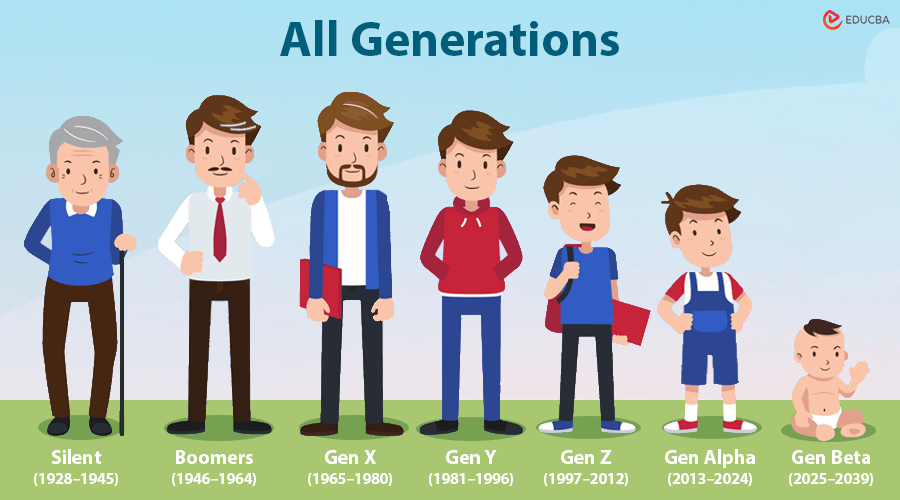
The term “Gen Beta” refers to children born after Gen Alpha. Gen Beta is the cohort born between 2025 and 2039. This generation will grow up in a world characterized by even more advanced technology, social change, and environmental challenges. They will live in a society in which the digital world seamlessly integrates into daily life, and global issues such as climate change and political shifts will likely shape their experiences.
Generations and Their Birth Years
Here is a table that lists the commonly recognized generations and their birth years:
| Generation | Birth Years |
| Silent Generation | 1928–1945 |
| Baby Boomers | 1946–1964 |
| Generation X | 1965–1980 |
| Millennials (Gen Y) | 1981–1996 |
| Generation Z (Gen Z) | 1997–2012 |
| Generation Alpha (Gen Alpha) | 2013–2024 |
| Generation Beta (Gen Beta) | 2025–2039 |
What Will Define Gen Beta?
While it is too early to know exactly what Gen Beta will be like, we can predict some defining trends based on current technological, social, and environmental factors. Here are the key elements that will shape Gen Beta:
1. Technology and Digital Immersion
Gen Beta will grow up in a hyper-connected world, immersed in digital technology from birth. Unlike previous generations that had to adjust to technology, Gen Beta will grow up in a world where technology is already a part of everyday life. Here is what that means:
- Smartphones, artificial intelligence, and virtual reality will be everyday tools.
- They will likely never know a world without the internet or smart devices.
- Smart homes, virtual classrooms, and augmented reality will be commonplace in their lives.
Globally, 82% of people aged 15 to 24 use the internet, compared to 72% of the rest of the population.
2. Climate Consciousness
As the world faces more environmental challenges, these issues will shape Gen Beta:
- They will develop a strong sense of environmental responsibility, shaped by global efforts to address climate change.
- Sustainability will be a core component of their lifestyle, with widespread use of renewable energy and environmentally friendly practices.
- They will witness and experience innovations to address environmental crises, from waste reduction to the development of green technologies.
3. Social Changes and Global Awareness
Gen Beta will be more socially and globally conscious than earlier generations. Thanks to the internet and digital platforms, they will be deeply connected to the world. For educators and parents tracking these generational shifts, learning to create an online newsletter provides a direct way to share monthly updates on youth development, technology trends, and modern learning tools.Key aspects of their social awareness will include:
- They will have access to global news and information, which will increase their awareness of issues such as equality, human rights, and mental health.
- A growing embrace of diversity in culture, gender, and family structures.
- A commitment to international collaboration and multiculturalism, driven by the interconnected world they will grow up in.
4. Personalized Learning and Education
Education for Gen Beta will look radically different:
- Artificial intelligence could create personalized learning experiences, tailoring education to each child’s pace and needs.
- Remote learning and online education will become common, offering more flexibility and accessibility.
- The focus will move from the same education for everyone to learning tailored to each student’s skills and interests.
A UNESCO survey of 400 higher education institutions in 90 countries found that nearly two‑thirds (61%) already have guidance on AI use or are developing it, highlighting how universities are adapting their policies to manage AI in education.
5. Health and Well-being Focus
Gen Beta will experience a greater focus on health and well-being, shaped by advancements in medicine and an increasing awareness of mental health. Here is what this might look like:
- Medical care will be more personalized and accessible, with technology supporting health monitoring and improving treatment.
- Mental health will be considered just as important as physical health, with more open conversations about anxiety, depression, and overall well-being.
- Parents and society will place a strong emphasis on children’s physical and emotional health, fostering a more balanced and supportive environment.
These trends suggest that Gen Beta will be a digitally connected, socially conscious, and environmentally responsible generation. They will encounter unique challenges and the opportunity to develop creative solutions for a rapidly changing world.
Challenges for Gen Beta
While Gen Beta will benefit from many advancements, they will also face a set of unique challenges:
1. Technological Overload
Growing up with constant digital access can be overwhelming. Screen time and internet addiction may pose mental health risks if not managed properly. Parents and society will need to balance screen time and face-to-face interactions to ensure the well-being of this generation.
2. Environmental Crisis
Gen Beta will inherit a planet facing environmental crises, such as rising temperatures, pollution, and natural disasters. They may need to find innovative solutions to adapt to a world that could be very different from today. Learning to live sustainably and combat climate change will be crucial for their survival and prosperity.
3. Economic Uncertainty
The future of work and the economy may look very different when Gen Beta enters the job market. Automation, AI, and robotics may displace traditional jobs, altering employment structures. Gen Beta might face challenges finding meaningful work in a rapidly changing economy.
Career Outlook for Gen Beta
Gen Beta will enter the workforce at a time when technology, automation, and global trends are reshaping how we work. Their career paths are likely to differ substantially from those of earlier generations, presenting both exciting opportunities and unique challenges.
1. Growing Demand for Tech-Driven Skills
As automation and artificial intelligence (AI) expand, many traditional jobs will change or disappear. Gen Beta will require strong skills in areas such as AI, machine learning, robotics, data analysis, and cybersecurity. Careers related to software development, tech product design, and digital platforms will be in high demand.
2. Rise of Hybrid and Remote Work
Remote and hybrid work models will continue to expand. Gen Beta will likely work more often from different locations, relying on digital collaboration tools. Flexibility, strong communication, and the ability to work effectively with virtual teams will be essential skills.
3. New Roles in Emerging Industries
Several new industries will emerge and expand by the time Gen Beta enters the job market, including:
- Renewable energy and green technologies
- Space exploration and commercial space services
- Personalized health and biotech careers
- Virtual and augmented reality (VR/AR) experiences
- Creative tech (gaming, animation, digital arts)
- These fields will create career paths that do not yet exist.
4. Lifelong Learning & Skills Adaptation
The pace of technological change means skills can become outdated quickly. Gen Beta will benefit from a mindset of continuous learning, updating skills through online courses, workshops, and new credential programs throughout their careers.
5. Blending Creativity with Technology
Jobs that combine creativity with technical skills will be in high demand. Roles such as user experience designers, AI ethicists, digital storytellers, and innovation strategists will become common. Combining analytical skills with creative thinking will help Gen Beta stand out.
6. Entrepreneurial and Freelance Opportunities
The gig economy and digital platforms will continue expanding. Gen Beta may pursue entrepreneurship, freelancing, or portfolio careers (working on multiple short-term projects rather than one long-term job). This trend will offer flexibility but will also require strong self-management and business skills.
Parenting Gen Beta
Parenting Gen Beta will require a balanced approach that blends technology, emotional intelligence, and strong values. As this generation grows up in a digital and rapidly changing world, parents will play an important role in guiding how children use technology, connect with others, and understand themselves.
1. Balancing Screen Time and Real-World Interaction
Gen Beta will grow up surrounded by screens, from tablets to smart devices. Parents should encourage healthy screen habits by setting boundaries while also promoting outdoor play, reading, and face-to-face social interactions. Teaching children when to disconnect will be just as important as teaching them how to use technology.
2. Teaching Digital Responsibility Early
Since Gen Beta will encounter the internet at a young age, parents must introduce concepts such as online safety, privacy, and respectful digital behavior early on. Helping children understand the consequences of digital actions will prepare them to navigate the online world responsibly.
3. Supporting Emotional and Mental Well-being
With increased exposure to digital content and global issues, Gen Beta may experience emotional overload. Parents should create open spaces for communication, encourage emotional expression, and normalize conversations around mental health. Building emotional resilience will help children manage stress and uncertainty.
4. Encouraging Creativity and Critical Thinking
While technology will play a central role in Gen Beta’s lives, creativity and independent thinking should not be subordinated. Parents can support this by encouraging problem-solving, curiosity, artistic expression, and hands-on activities that go beyond screens.
5. Preparing for a Changing Future
The future job market will look very different for Gen Beta. Parents should focus less on rigid career paths and more on building adaptable skills such as creativity, collaboration, communication, and lifelong learning. These skills will help children thrive in an evolving world.
What Can We Expect for Gen Beta?
Although we cannot predict everything about Gen Beta, they will grow up in a deeply connected, advanced, technologically filled, and socially conscious world. They will face both exciting opportunities and complex challenges, but they will also have the potential to shape a better, more sustainable, and more inclusive world.
Final Thoughts
In conclusion, Gen Beta represents the future, a generation that will build on the progress of previous generations and tackle issues never faced before. They will be the pioneers of new technology, environmental solutions, and social change, and how they navigate their world will influence the course of history in ways we can only begin to imagine.
Frequently Asked Questions (FAQs)
Q1. How will Gen Beta change the way families function?
Answer: Families may adopt more technology-supported parenting styles, flexible work routines, and digital learning environments to align with Gen Beta’s needs and lifestyle.
Q2. What skills will be most important for Gen Beta’s success?
Answer: Critical thinking, creativity, emotional intelligence, adaptability, and digital literacy will be essential skills for Gen Beta to thrive in future careers.
Q3. Will Gen Beta be more globally connected than previous generations?
Answer: Yes. With constant access to global information and digital communication, Gen Beta will grow up more globally aware and culturally connected than any previous generation.
Q4. How might Gen Beta influence future social values?
Answer: Gen Beta will place greater emphasis on sustainability, inclusivity, mental health awareness, and the ethical use of technology.
Q5. Is Gen Beta expected to live longer than previous generations?
Answer: Advances in healthcare, personalized medicine, and early health monitoring may contribute to longer life expectancy for Gen Beta.
Recommended Articles
We hope this guide helped you understand Gen Beta. Check out these recommended articles for more insights into generational trends and the future.

