


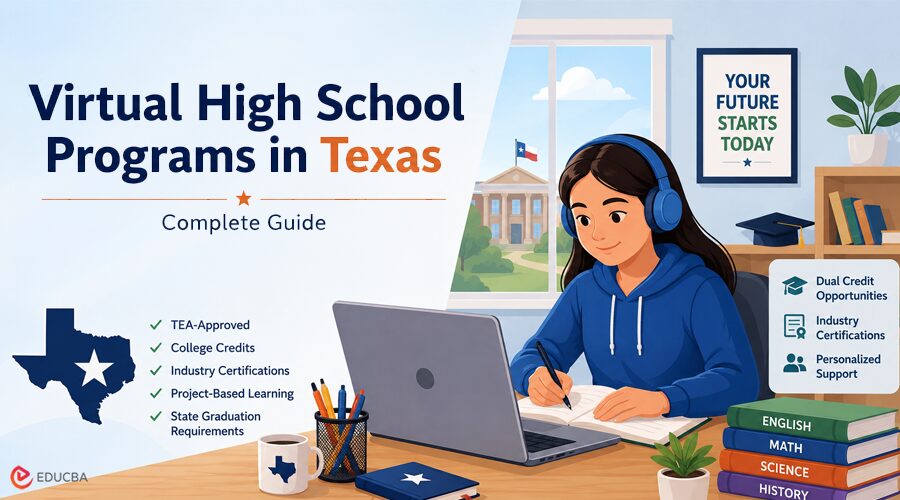
For families in Texas exploring high school options beyond the traditional campus, the rise of virtual public education opens doors to flexible learning, college readiness, and real-world career pathways. Accredited online programs, such as a tuition-free virtual high school in Texas, deliver comprehensive, state-aligned instruction without tuition or zoning restrictions, making quality education accessible to all Texas families.
Many parents wonder how virtual high school programs in Texas compare to their neighborhood ISD or charter campuses, especially when preparing students for college and the workforce. Today’s online public schools meet strict accreditation standards, hire Texas-certified educators, and use interactive technology to deliver coursework and guidance comparable to brick-and-mortar schools.
Texas law and agency oversight help virtual students meet or even exceed state graduation requirements. Modern virtual academies also offer project-based learning, academic counseling, and industry certifications. Families considering online education should evaluate how schools support flexibility, college readiness, and personalized learning. These programs help students learn at their own pace while earning the same rigorous diploma as traditional high schools. To see how these programs fit alongside other alternatives, consider the broad range of public Texas online K-12 school options now available statewide.
Key Takeaways
- Texas parents have access to tuition-free, Cognia-accredited virtual high school programs in Texas designed for academic flexibility, college preparation, and career readiness.
- Accredited virtual schools provide college-bound students with dual credit courses, industry certifications, and project-based learning aligned with Texas standards.
- Texas Senate Bill 569 and oversight from the Texas Education Agency ensure quality, regulatory compliance, and diploma recognition for virtual public schools.
- Families can weigh the differences between traditional and online pathways to support individualized graduation plans while meeting all state requirements.
Virtual High School vs. Traditional Campuses: What Texas Parents Should Know
Texas parents weighing virtual high school programs against local high schools often want clarity on standards, scheduling, and support. Virtual public schools in Texas offer:
- Flexible, home-based schedules that let students learn at their own pace or accelerate their studies.
- Certified Texas teachers leading live instruction, online tutoring, and advisory sessions.
- Comprehensive student services, including counseling, special education, and college/career guidance.
- Participation in statewide initiatives for AP, SAT, and dual-credit courses that prepare students for admission to Texas and national universities.
In contrast to the traditional model, virtual high school programs in Texas remove barriers such as school zoning and transportation while ensuring every student meets or exceeds Texas graduation standards.
How Virtual High School Programs in Texas Deliver College Preparation?
Modern virtual high school programs in Texas are tailored to support college-bound students and those seeking early career opportunities. These programs incorporate:
- Dual Credit Courses: Students earn high school and college credits simultaneously. This accelerates graduation timelines and reduces future college tuition costs.
- Industry Certifications: Career education tracks and technical certifications help high schoolers qualify for workforce entry or supplemental career skills before graduation.
- Project-Based Learning (PBL): Through hands-on projects, students develop analytical, communication, and teamwork skills essential for success in college and the workplace.
All programs must meet Cognia or Southern Association of Colleges and Schools accreditation, guaranteeing diploma recognition statewide and nationally.
Oversight and Accreditation: Texas Senate Bill 569 and TEA Safeguards
Texas virtual public schools, including those run by school districts and open-enrollment charters, are strictly regulated. Senate Bill 569, signed into law in 2023, set new standards for curriculum quality, student attendance, and reporting. The Texas Education Agency (TEA) oversees accreditation, audits academic outcomes, and ensures that state funding supports only programs that meet high academic and operational standards. When choosing an online high school, Texas parents should confirm that a program is both TEA-approved and regionally accredited to avoid issues with diploma recognition at the college or workforce level.
Graduation Pathways in Virtual High School Programs in Texas
Virtual high schools must ensure students earn 26 required credits in English, math, science, social studies, world languages, and electives. Through virtual high school programs in Texas, students can customize their course sequence, enroll in advanced classes, and balance academics with part-time work or extracurricular activities.
This flexibility supports academic acceleration, remediation, or exploration of personal interests. Advisory staff coordinates with students and families to keep graduation progress on track, provide test-preparation support, and assist with college and scholarship applications.
Choosing the Right Virtual High School Programs in Texas
When evaluating virtual high school programs in Texas, review the available college-prep and career-focused courses. Also, ask about teacher qualifications, counseling services, instructional technology, and support for students with diverse learning needs.
Parents should also consider graduation rates, student testimonials, and the school’s regulatory track record. Above all, seek programs that combine flexibility, academic rigor, and strong partnerships with colleges or technical training centers offering dual credit or industry certification opportunities.
Final Thoughts
Virtual high school programs in Texas offer a flexible, future-focused alternative to traditional classroom learning. They also maintain the rigorous academic standards required by the state. Oversight from the Texas Education Agency and legislation such as Senate Bill 569 help ensure accountability and quality instruction. Students who complete these programs earn fully recognized diplomas for college or career pathways.
Students in Texas virtual high school programs benefit from college-preparatory coursework, dual-credit opportunities, industry certifications, and personalized learning plans. These features help them graduate with strong academic skills and practical experience. Parents can tailor their child’s education to meet individual needs. They can support faster academic progress, balance extracurricular commitments, or provide additional academic assistance when needed.
As parents evaluate virtual high school programs in Texas, understanding differences in accreditation, instructional quality, and student services is essential. When chosen carefully, these programs offer not only flexibility and convenience but also a strong foundation for long-term success in higher education, the workforce, and beyond.
Frequently Asked Questions (FAQs)
Q1. Do Texas colleges and employers recognize virtual high school diplomas?
Answer: Yes. As long as the online school is TEA-approved and regionally accredited, diplomas are fully recognized by Texas universities, out-of-state colleges, and employers.
Q2. What technology is required?
Answer: Most programs provide computers or internet support for families who need it. Check with each school’s enrollment support team to confirm what is included and what devices students must provide.
Q3. Can students participate in competitions or clubs?
Answer: Yes. Virtual students can join online clubs, arts, and STEM events, and, in some cases, participate in in-person UIL competitions through their sponsoring ISD or charter.
Q4. How do TEA and Texas law protect student interests in virtual enrollment?
Answer: The Texas Education Agency requires annual performance reporting, curriculum audits, and parent satisfaction surveys to ensure ongoing program quality and accountability for all state-funded virtual schools.
Recommended Articles
We hope this guide on virtual high school programs in Texas helps you choose an accredited, flexible learning pathway that supports your child’s academic success, college preparation, and career goals. Explore these recommended articles for more insights into online education, virtual learning, accredited high schools, college readiness, and K–12 education options.

