


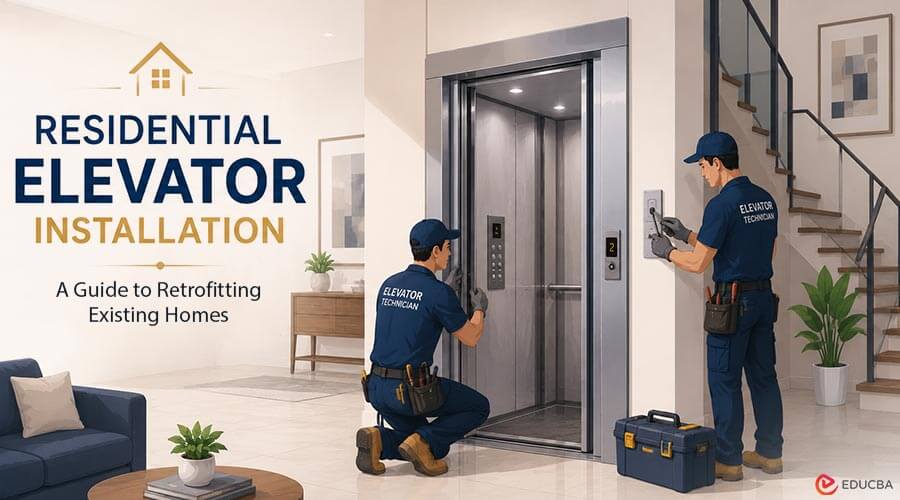
Adding an elevator to an existing home may sound like a major construction project, but modern residential elevator technology has made retrofitting much more practical than many homeowners realize. In Bluffton, South Carolina, where multi-story homes, elevated coastal properties, and luxury residences are common, a residential elevator can provide significant benefits for accessibility, convenience, and long-term living. You can add an elevator to an existing home in Bluffton, SC. However, the project’s feasibility, cost, and complexity depend on the home’s layout, available space, structural conditions, number of floors, and the elevator type selected. Understanding the residential elevator installation process and available options can help homeowners determine whether adding an elevator is the right improvement for their property.
Why Add an Elevator to an Existing Home?
Homeowners consider residential elevators for many different reasons. Some want to make everyday life easier, while others are planning for future mobility needs.
Common reasons include:
- Aging in place
- Improving accessibility
- Reducing dependence on stairs
- Transporting groceries and luggage
- Accommodating family members with mobility challenges
- Supporting multi-generational living
- Enhancing a luxury property
- Preparing the home for future needs
For Bluffton homeowners who plan to remain in their property for many years, an elevator can make a multi-story home significantly more practical.
Start with a Professional Property Assessment
The first step is determining whether the home can accommodate an elevator. An elevator professional can evaluate the property and identify possible installation locations. The assessment generally considers the home’s structural design and the homeowner’s accessibility goals.
Important factors include:
- Number of floors
- Floor-to-floor height
- Available interior space
- Structural framing
- Electrical access
- Possible shaft locations
- Elevator capacity requirements
- Door configuration
This evaluation helps determine the most suitable residential elevator type for the property.
Finding the Right Location for the Elevator
Choosing where to install the elevator is one of the most important decisions in a retrofit project. Ideally, the elevator should connect important areas of the home while requiring as few structural modifications as practical.
Possible locations include:
- Near an existing staircase
- Inside stacked closets
- In unused corners of rooms
- Between adjacent rooms
- Near a garage
- Along an exterior wall
Stacked closets can sometimes provide a convenient location because the spaces are already aligned vertically. However, whether this approach is possible depends entirely on the home’s construction.
Interior vs. Exterior Installation
If there is not enough space inside the home, an exterior installation may provide another option. Exterior residential elevators can sometimes be positioned along an outside wall and connected to the home through new landing entrances. This approach can preserve valuable interior floor space.
For certain elevated or coastal properties, homeowners may also investigate outside lifts for homes as an alternative way to improve access between levels. Exterior installations require careful consideration of weather exposure, structural support, drainage, corrosion resistance, and access points. Bluffton’s humid Lowcountry environment makes selecting the right equipment and materials especially important.
Choosing the Right Elevator Technology
Modern elevators are available in several configurations, giving homeowners more flexibility when retrofitting an existing property.
- Hydraulic Elevators: Hydraulic systems are known for smooth operation and dependable lifting performance. Depending on the model, you may need additional space for mechanical equipment.
- Traction or Cable-Driven Elevators: These systems use cables and drive equipment to move the elevator between floors. Residential configurations vary in their space and structural requirements.
- Machine-Room-Less Elevators: Machine-room-less systems can reduce the need for separate mechanical space, which can be beneficial when working within an existing home’s footprint.
- Pneumatic Elevators: Pneumatic elevators use air pressure for movement and have a distinctive cylindrical design. Certain models may require less conventional shaft construction, making them worth considering for some retrofit applications.
The right option depends on available space, travel requirements, desired capacity, budget, and architectural preferences.
How Much Construction is Required?
The amount of construction depends on the home and the elevator selected. Some installations can be completed with relatively limited structural modifications, while others may require a dedicated hoistway and more extensive remodeling.
Potential work can include:
- Cutting openings between floors
- Building an elevator shaft
- Reinforcing framing
- Relocating electrical wiring
- Moving plumbing or HVAC components
- Creating landing entrances
- Completing drywall and finish work
A detailed assessment before construction begins can help identify these requirements and reduce unexpected changes during the project.
What About Elevated Bluffton Homes?
Bluffton’s coastal setting means some homes have elevated main living areas. While this style can provide practical benefits in flood-prone locations, it can also create accessibility challenges. A homeowner may need to travel from a garage or lower entrance to the primary living floor before reaching bedrooms on another level. An elevator can connect these spaces and dramatically simplify everyday movement.
This is particularly convenient when carrying:
- Groceries
- Luggage
- Laundry
- Household supplies
- Outdoor equipment
For homeowners planning to age in place, minimizing the need to use multiple flights of stairs can be especially beneficial.
Residential Elevators and Aging in Place
Aging in place is one of the strongest reasons to retrofit an existing home with an elevator. Many Bluffton homeowners have spent years creating a home and community they enjoy. Moving simply because stairs have become difficult may not be the preferred option. A residential elevator can help homeowners continue using every floor while maintaining greater independence.
It can also make the home more accessible to older relatives, visitors with mobility limitations, or household members recovering from injuries. Installing the elevator before mobility becomes a serious concern allows homeowners to enjoy its convenience immediately while preparing for the future.
Can the Elevator Match an Existing Interior?
Yes. Modern residential elevators offer numerous customization options. Homeowners can choose finishes that coordinate with existing rooms, including:
- Hardwood panels
- Glass features
- Custom flooring
- Decorative lighting
- Metal accents
- Handrails
- Door finishes
- Control panel designs
Thoughtful material selection can make the elevator feel like an original part of the property rather than a later addition. This is especially important in Bluffton’s custom and luxury homes, where architectural consistency can influence a renovation’s success.
Safety is Essential
Safety should remain a priority throughout any elevator retrofit. Depending on the equipment, residential elevator safety features may include:
- Door interlocks
- Emergency stop controls
- Backup power
- Emergency communication
- Automatic leveling
- Obstruction detection
- Safety sensors
A professional should install and test the elevator according to applicable requirements and manufacturer specifications. Homeowners should also receive instructions explaining normal operation and emergency procedures before using the system.
Permits and Inspections
Adding an elevator to an existing home may require permits and inspections under applicable local requirements. Because retrofit projects can include structural and electrical modifications, coordination among contractors is important.
An experienced elevator installer can help homeowners understand which approvals the project needs and coordinate the relevant installation and inspection stages. Planning for these requirements early can help prevent unnecessary delays.
How Long Does Residential Elevator Installation Take?
There is no universal timeline for adding an elevator to an existing home.
The schedule depends on factors such as:
- Structural modifications
- Elevator type
- Number of stops
- Equipment availability
- Custom finishes
- Permit requirements
- Coordination between trades
The elevator equipment itself may represent only one portion of the overall project. Construction preparation and finish work can also affect the timeline. A detailed project plan should establish realistic expectations before work begins.
Consider Ongoing Maintenance
After installation, the elevator will require periodic professional service.
Routine maintenance may include:
- Inspecting doors and locks
- Checking operating equipment
- Testing safety systems
- Evaluating electrical components
- Inspecting backup power
- Making necessary adjustments
Homeowners should ask about maintenance requirements, warranties, service availability, and replacement parts before selecting equipment. Choosing an elevator with dependable local service support can make long-term ownership considerably easier.
Will an Elevator Add Property Value?
A residential elevator can potentially enhance a home’s marketability, particularly in communities where buyers value luxury amenities and accessibility.
It may appeal to:
- Retirees
- Multi-generational families
- Buyers planning to age in place
- Individuals seeking accessible properties
- Luxury homebuyers
However, the exact effect on resale value varies. Installation quality, home design, local buyer demand, and overall property condition can all influence the return. The most immediate value often comes from improved comfort, accessibility, and usability.
Planning a Successful Retrofit
The key to successfully adding an elevator to an existing Bluffton home is careful planning.
Before making a decision, homeowners should:
- Have the property professionally evaluated
- Compare appropriate elevator technologies
- Identify practical installation locations
- Understand construction requirements
- Review expected project costs
- Discuss maintenance and service
- Consider current and future accessibility needs
Looking at the entire project, not just the elevator equipment, helps homeowners make a more informed investment.
Final Thoughts
Is it possible to install an elevator in an existing home in Bluffton, SC? For many properties, the answer is yes. Advances in Residential Elevator lift systems have created options for a wide range of existing home layouts, from traditional multi-story residences to elevated coastal properties. Depending on the home’s design, an interior installation may be possible, while exterior lifts or other solutions may be worth exploring when indoor space is limited.
The best approach depends on structural conditions, accessibility goals, budget, and long-term plans. With a professional assessment, thoughtful design, and proper residential elevator installation, an elevator can transform an existing Bluffton home into a more convenient, accessible, and future-ready place to live.
Recommended Articles
We hope this guide to residential elevator installation helps you make informed decisions. Check out our recommended articles for more helpful home improvement insights.

