


Introduction
Cardiac emergencies rarely announce themselves. Did you know that 1 out of every 5 heart attacks is silent? They can take place in workplaces, gyms, at home, and even in classrooms. In those first several minutes, trained responders can make a huge difference between life and death. CPR (Cardiopulmonary Resuscitation) stands out as an essential skill in modern-day emergency care. This particular skill can help keep the oxygen flowing and sustain life till professional help arrives.
A CPR certification ensures that the responders remain prepared, compliant, and even confident. However, experts, such as healthcare workers and lifeguards, must maintain proper credentials. Allowing CPR certification to expire poses a risk to professions, communities, and lives. Let us discover how you can renew CPR certification, explore its different formats, and under why it is important to stay current.
How to Renew CPR Certification?
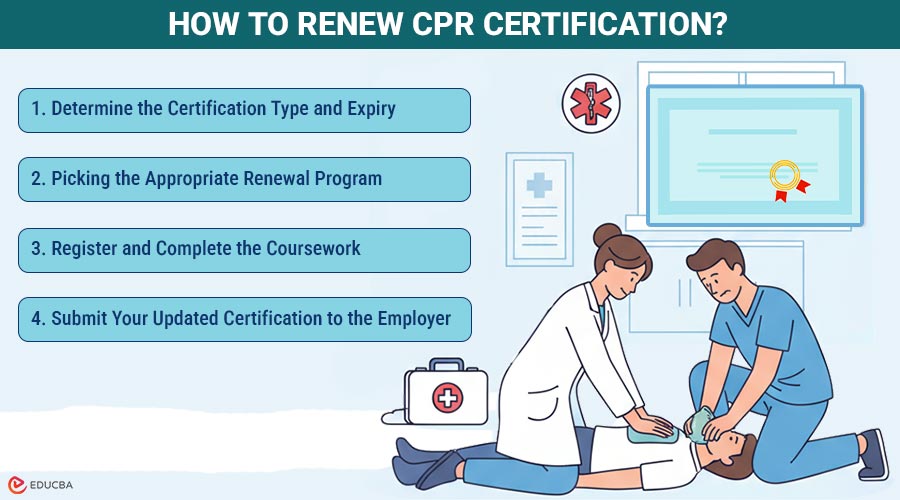
Renewing your CPR certification is straightforward if you follow these steps:
Step 1: Determine the Certification Type and Expiry
First, identify the type of certification you hold. Then, check when your current card expires. A reliable certification body typically issues CPR certification that remains valid for 2 years. If you let it lapse, you may need to retake the full course instead of a renewal.
Step 2: Picking the Appropriate Renewal Program
Renewal courses are typically shorter than the original training provided by most organizations. They allow you to maintain certification for another two years. Be sure to select a renewal class that meets the requirements of your regulatory body or workplace.
Step 3: Register and Complete the Coursework
Register for the renewal class by phone or online. Complete any online modules if the course uses a blended format. If required, attend and pass the in-person skills check. Later, obtain the updated certification or digital credential. Several certification bodies now offer digital certificates paired with unique QR codes or IDs for employer verification.
Step 4: Submit Your Updated Certification to the Employer
Once you receive the renewed card, hand it in and scan or upload the certificate according to the employer’s preferred method. Multiple institutions will not accept an expired certification. For example, the Centers for Medicare and Medicaid Services require nursing home staff to keep their CPR certification up to date with approved training.
Online vs In-Person Renewal: Knowing the Difference
When you want to renew CPR certification, you can either go for the online or in-person format, depending on your requirements. Here is a brief explanation on each of them:
1. Online Only – Convenience with Limitations
Some renewal programs are offered entirely online. These are flexible and often more affordable. However, if your regulatory body or workplace requires a hands-on skills evaluation, an online-only option will not be sufficient. Online programs without in-person skill sessions do not qualify for most workplace certification requirements.
2. Blended Learning – Best of Both Worlds
The blended format combines online theory with in-person skill sessions. You complete the theory portion at home and then attend short practical sessions in person. This format is widely accepted and commonly used for workplace credentials. For instance, the renewal might consist of online modules along with hands-on evaluation.
3. Fully In-Person – Traditional and Comprehensive
In-person classes remain the gold standard for those seeking complete, instructor-led training. They provide live feedback from instructors and opportunities for peer interaction. Although they are typically more time-intensive and expensive, they cover both hands-on skills and theory in one session. This option is best suited for professionals whose employers require full, instructor-supervised training.
Cost and Time Considerations to Renew CPR Certification
When considering the cost and time required to renew CPR certification, the table below provides clear insights.
| Factor | Details |
| Average Course Duration | Renewal programs usually take 2 to 4 hours, depending on level (Basic vs. Healthcare Provider). |
| Validity Period | Certifications are valid for 2 years from the issue date. |
| Online Renewal Cost | $14 to $60, depending on the provider and the certification level. |
| Blended Learning Cost | $60 to $120, blending online modules with a brief in-person skills assessment. |
| In-Person Renewal Cost | $75 to $150 for BLS/CPR renewal; over $200 if combined with ACLS or PALS. |
Final Thoughts
CPR is not just a skill that you learn once. It is also a responsibility that needs practice, renewal, and precision. Lives depend on instant and confident response, and that level of preparedness comes only when the skills and certification are current.
Letting the CPR card expire can put your profession, patients, and even your colleagues at risk. Renewal helps you stay up-to-date with the latest guidelines, maintain professional standards, and stay informed about current resuscitation practices. If you are a nurse, safety officer, or EMT, this is your moment to step in and make an actual difference when it matters the most. Do not wait until your certification is about to expire or an audit forces a last-minute renewal. Take charge now and enroll in a CPR renewal program today. It will refresh your skills and keep your confidence and certification strong.
Recommended Articles
We hope this guide on how to Renew CPR Certification helps you stay prepared for emergencies. Explore more life-saving tips below:

