


Updated May 12, 2026
Keeping a pool clean takes more than skimming a few leaves off the surface. Dirt can settle on the floor, stick to walls, gather around the waterline, and hide in corners where a quick brush does not always reach. After windy weather, heavy swimming, or a weekend with guests, a pool can go from clear and inviting to visibly messy much faster than many owners expect.
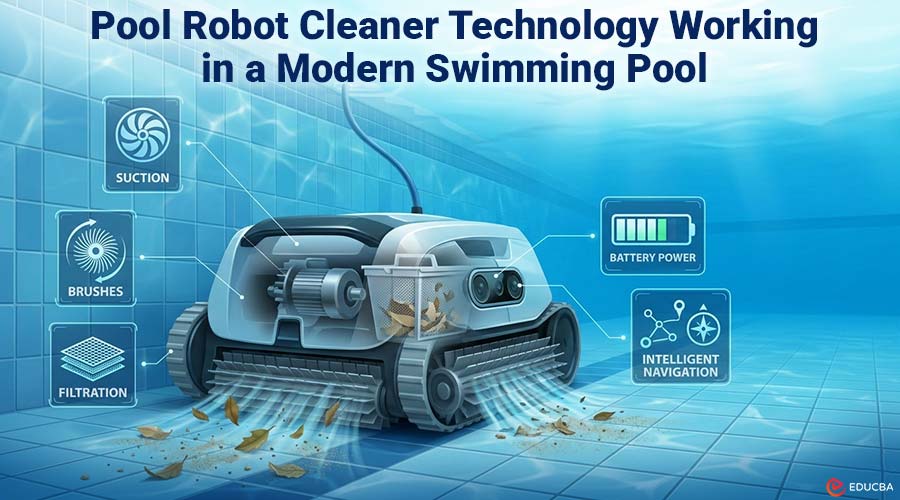
That is why understanding pool robot cleaner technology is useful. A robotic pool cleaner is not just a small machine moving around underwater. It combines motors, suction, brushes, filters, sensors, and navigation software to handle much of the physical cleaning work that pool owners usually do by hand.
The technology matters because it can make pool care more consistent. Instead of waiting until debris builds up, owners can run regular cleaning cycles to reduce the manual brushing, vacuuming, and skimming needed during the week. It does not replace water testing, filtration, or safe pool habits, but it can make the whole routine easier to manage.
The Core Parts That Make Pool Robot Cleaner Technology Work
Motor, Suction, Brushes, and Filters
A robotic pool cleaner works through a simple cleaning chain. The motor powers the cleaner’s movement and suction. The brushes loosen dirt from the pool surface. The suction pulls debris into the cleaner. The internal filter traps leaves, insects, sand, pollen, and other particles before the water flows back out.
Brush design matters because pool surfaces are different. Vinyl, fiberglass, tile, concrete, and pebble finishes do not all respond the same way to scrubbing. A cleaner needs enough brushing power to loosen dirt, but it should also be suitable for the surface it is cleaning.
The filter is just as important. A cleaner with poor filtration may pick up larger leaves but struggle with fine grit or pollen. A cleaner with better access to filters is also easier to maintain. If the filter is simple to remove and rinse, owners are more likely to clean it regularly, which helps the pool robot cleaner technology perform better over time.
Power Source and Movement System
Robotic pool cleaners are usually either corded or cordless. Corded models connect to a power unit, while cordless models use a rechargeable battery. Cordless cleaners are often easier to handle around the pool deck because there is no long cable to manage, though owners still need to think about charging time, battery life, and proper storage.
Movement systems also affect performance. Some cleaners use wheels, some use tracks, and some use rollers or brush-driven movement. These parts help the robot grip the floor, climb walls, turn around corners, and move across slopes or uneven areas. Better movement usually means less manual follow-up after the cleaning cycle ends.
How does Pool Robot Cleaner Technology Use Navigation and Sensors?
Older or simpler cleaners may move in less organized patterns. They can still help, but they may repeat the same area several times while missing a corner, step, or section of the wall. Advanced pool robot cleaner technology uses sensors and navigation logic to clean more systematically.
Sensors can help detect walls, slopes, obstacles, corners, waterlines, and changes in direction. The robot uses this information to adjust its movements rather than simply drifting around the pool. In larger pools or irregularly shaped pools, this can make a noticeable difference.
Good navigation helps in three practical ways. It reduces missed spots, reduces the need for repeated passes, and helps the cleaner use battery time more efficiently. For pool owners, the value is easy to see: the robot spends more time cleaning areas that matter and less time moving without purpose.
Why Pool Robot Cleaner Technology Matters for Everyday Pool Owners?
Less Manual Brushing and Vacuuming
The main benefit of a pool cleaning robot is not complicated. It reduces physical work.
Instead of dragging out a manual vacuum every time debris settles on the floor, the owner can run a cleaning cycle while handling other pool chores. They might check the skimmer basket, test the water, rinse patio furniture, or put away towels while the cleaner collects leaves, dust, and insects.
This is especially useful after a windy day or weekend swim. Debris that sits too long can break down, stain surfaces, or make the pool harder to keep clear. A robotic cleaner helps remove visible debris before it becomes a larger maintenance problem.
More Consistent Cleaning Between Maintenance Days
Consistency is one of the biggest advantages of pool robot cleaner technology. A pool that is cleaned regularly is usually easier to manage than one ignored until the water looks dull or the floor is covered in debris.
Cleaner surfaces can support better-looking water, but this point remains clear: a robotic cleaner does not replace pool chemistry. Owners still need to test pH, sanitizer, alkalinity, and other water levels as needed. The pump and filtration system still matter. The robot helps with physical debris and surface cleaning, while water balance and circulation remain separate parts of proper pool care.
Where Modern Pool Robot Cleaner Technology Fits Into Real Pool Care?
A modern pool robot cleaner demonstrates how this technology is useful for everyday pool ownership. The value is not only that the machine moves underwater. It is the way in which movement, suction, brushing, filtering, and navigation work together to reduce the need for repeated cleaning tasks. In a larger or more complex pool, advanced pool robot cleaner technology can reach areas owners often avoid until they look dirty, such as walls, the waterline, steps, and corners.
After a weekend of swimming, leaves may settle on the floor, sunscreen residue may appear near the waterline, and fine debris may collect along edges. A smart robotic cleaner can handle much of that visible mess while the owner checks water balance, empties baskets, and keeps the filtration system running properly.
For pools with simpler layouts, a more accessible model may be enough if the main issue is routine floor debris. The important part is matching the cleaner to the pool’s size, shape, surface, and cleaning needs, rather than choosing based solely on the most advanced feature list.
After understanding the basic technology, buyers often need help comparing models practically. A comparison like Sora 70 vs AquaSense 2 can help decide whether a simpler cleaner fits the pool or whether broader coverage makes more sense. The choice should come from real use: how often the pool gets dirty, whether the walls and waterline need help, how much debris falls in, and how much cleaning the owner wants to automate.
How To Choose the Right Pool Cleaning Technology?
The best technology depends on the pool. A compact pool with light debris does not need the same cleaner as a large inground pool surrounded by trees. A pool with a simple flat floor has different needs from one with curves, ledges, and steps.
Here are the main factors to consider before choosing:
- Pool size and shape should come first because they affect runtime, navigation needs, and coverage.
- Pool surface matters because vinyl, fiberglass, tile, concrete, and pebble finishes may need different brushing styles.
- Debris type is important. Leaves, sand, pollen, insects, and fine dust may require different filter performance.
- Cleaning zones matter. Some owners need floor cleaning only, while others need help with walls, waterline, steps, or surface debris.
- Weight and retrieval should not be ignored. A hard-to-lift cleaner may become annoying to use frequently.
| Pool need | Technology to look for | Why it helps |
| Large pool | Longer runtime and better navigation | Reduces interruptions and improves coverage |
| Trees nearby | Larger debris basket | Handles leaves with fewer stops |
| Fine dust or pollen | Effective filtration | Captures smaller particles more reliably |
| Walls and waterline | Climbing ability and scrubbing brushes | Reduces manual brushing |
| Irregular shape | Smarter route planning | Helps reach corners, slopes, and ledges |
| Easy routine | Cordless design and simple filter access | Makes frequent use more realistic |
This table is not a strict buying formula, but it helps narrow the decision. The cleaner should fit the actual pool routine, not just look impressive on a product page.
What Pool Robot Cleaners Still Cannot Do?
Robotic cleaners are useful, but they cannot handle every part of pool ownership. Owners still need to test and balance the water, run the pump and filtration system, clean the skimmer and pump baskets, rinse the robot’s filter, inspect the brushes or tracks, and follow basic safety rules.
Some tight corners or stubborn waterline marks may still need manual brushing. After storms, heat waves, or heavy pool use, extra checks are still smart. If water turns cloudy, the cause may be chemical imbalance, algae, filtration problems, or poor circulation rather than simple surface debris.
Advanced features in pool robot cleaner technology are only worth paying for when they match the pool. A family with a busy inground pool may benefit from broader cleaning coverage and stronger navigation. A smaller pool with light debris may only need a simpler routine. Good technology helps most when it solves a real maintenance problem.
A Smarter Way to Manage Routine Pool Cleaning
Pool robot cleaner technology matters because it makes cleaning more consistent and less hands-on. Motors create movement and suction. Brushes loosen dirt. Filters trap debris. Sensors and navigation systems help the robot move through the pool more systematically.
For pool owners, the result is a cleaner pool with less repeated manual work. The pool still needs water testing, proper filtration, basket cleaning, and regular checks, but the physical cleaning routine becomes easier to maintain.
A robotic cleaner works best as part of a complete pool care habit. When smart cleaning is paired with balanced water and simple maintenance, the pool is easier to enjoy and less likely to become another weekend chore.
Final Thoughts
Pool robot cleaner technology has changed the way many pool owners approach routine maintenance. By combining motors, brushes, filters, sensors, and navigation systems, a robotic pool cleaner can handle much of the physical cleaning work that would otherwise require regular manual effort. The result is a more consistent cleaning routine and less time spent vacuuming, brushing, and removing debris by hand.
The real value of pool robot cleaner technology is not in having the most advanced features, but in choosing a cleaner that matches your pool’s size, shape, surface, and cleaning needs. When used alongside proper water testing, filtration, and regular maintenance, a robotic pool cleaner can make pool care more manageable and help keep the water cleaner, clearer, and ready to enjoy with less effort.
Recommended Articles
We hope this guide on pool robot cleaner technology helps you better understand how robotic pool cleaners work and how they can simplify routine pool maintenance. Explore these recommended articles for additional insights and practical comparisons to help you choose the right robotic pool cleaner for your pool.

