
What is Order Management?
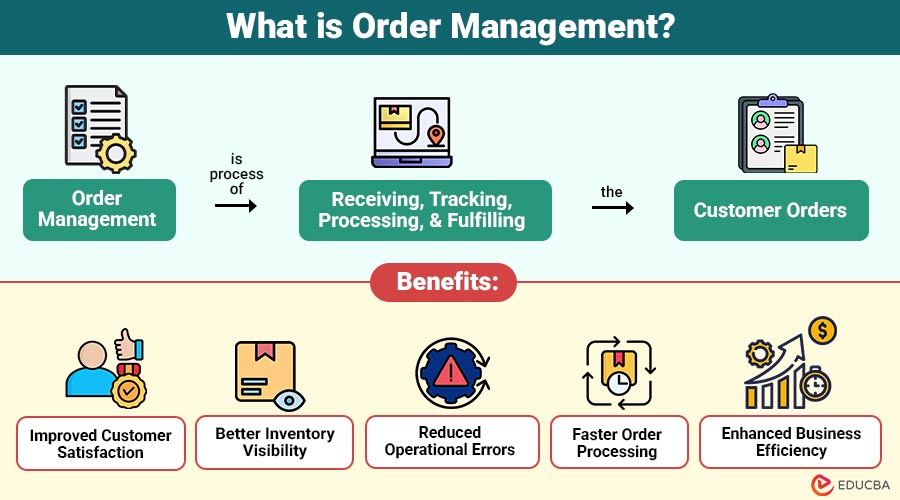
Order Management is process of receiving, tracking, processing, and fulfilling customer orders. It involves multiple activities such as order entry, inventory management, payment processing, shipping, and delivery tracking.
The main goal of order management is to ensure that right product reaches the right customer at the right time. An effective order management system connects different business departments such as sales, inventory, warehouse, shipping, and customer service.
Table of Contents:
Key Takeaways:
- Order management streamlines order processing, inventory tracking, fulfillment, and delivery to ensure accurate and timely customer service.
- An effective order management system integrates sales, inventory, warehouse, and logistics operations to manage the order lifecycle smoothly.
- Automation in order management reduces manual errors, accelerates processing speed, and improves operational efficiency across business departments.
- Strong order management improves customer satisfaction through accurate deliveries, real-time tracking, efficient returns, and reliable service.
Order Management Process
Order management process consists of several stages that help businesses handle customer orders efficiently.
1. Order Placement
The process begins when a customer places an order through a sales channel. This could be an online marketplace, a physical store, a mobile application, or a website.
At this stage, the system records important information such as:
- Customer details
- Product information
- Quantity ordered
- Payment method
- Shipping address
2. Order Processing
After the order is placed, the system verifies the details. This includes checking payment authorization and validating customer information.
During this step, the system also confirms product availability in the inventory.
3. Inventory Management
Inventory management ensures that the ordered products are available in stock. If the product is unavailable, the system may trigger actions such as:
- Backordering
- Reordering from suppliers
- Notifying the customer about delays
Proper inventory management helps businesses avoid overselling and stock shortages.
4. Order Fulfillment
Order fulfillment entails getting the order ready for shipping. This entails selecting goods from the warehouse, safely packing them, and marking them for transportation.
5. Delivery and Shipping
Once the order is packed, it is shipped to the customer using a logistics or delivery service. Customers often receive tracking information to monitor their order’s status in real time.
6. Returns and Refunds
Sometimes customers may return products due to damage, defects, or dissatisfaction. The order management process also includes handling returns, replacements, and refunds. Efficient return management helps maintain customer satisfaction and trust.
Key Components of Order Management
An effective system includes several important components.
1. Order Capture
Order capture collects order information from various sales channels, including e-commerce platforms, point-of-sale systems, and marketplaces.
2. Inventory Control
Inventory control ensures accurate stock levels across warehouses and stores. It helps businesses maintain product availability and avoid stockouts.
3. Payment Processing
Payment processing verifies and completes customer payments via credit cards, digital wallets, or bank transfers.
4. Warehouse Management
Warehouse management handles the storage, picking, packing, and movement of products.
5. Shipping and Logistics
Shipping and logistics manage the transportation of products from warehouses to customers through carriers or delivery services.
6. Customer Communication
Customer communication provides updates about order confirmation, shipping status, delivery notifications, and return processing.
Benefits of Order Management
Implementing an effective order management process provides several benefits for businesses.
1. Improved Customer Satisfaction
Efficient order management ensures accurate order processing, timely deliveries, and clear communication, improving customer experience, building trust, and encouraging repeat purchases.
2. Better Inventory Visibility
Systems provide real-time inventory tracking across warehouses and channels, helping businesses avoid stockouts, reduce overstocking, and plan purchases.
3. Reduced Operational Errors
Automation in order management minimizes manual data-entry errors, ensuring accurate order details, correct shipments, and fewer costly errors.
4. Faster Order Processing
Automated workflows speed up order verification, processing, and fulfillment, enabling businesses to handle higher order volumes efficiently and reduce delivery delays.
5. Enhanced Business Efficiency
Connects sales, inventory, and shipping processes, improving coordination between departments and increasing overall operational productivity and performance.
Challenges in Order Management
Despite its advantages, businesses may face several challenges in managing orders.
1. Managing Multiple Sales Channels
Businesses selling through multiple channels must synchronize orders, inventory, and customer data across platforms to ensure accurate processing.
2. Inventory Inaccuracy
Inaccurate inventory records can cause overselling, stock shortages, delayed fulfillment, and poor planning, ultimately impacting operational efficiency and customer satisfaction.
3. Complex Returns Management
Managing product returns, replacements, and refunds involves coordination between departments, making the returns process time-consuming and operationally challenging.
4. Shipping Delays
Logistics disruptions, carrier issues, and unexpected delays can slow deliveries, negatively affecting customer satisfaction, brand reputation, and overall service reliability.
5. Data Integration Issues
Integrating order management systems with ERP, CRM, and other business applications can be complex, requiring technical expertise and system compatibility.
Best Practices for Effective Order Management
To improve performance, businesses should follow certain best practices.
1. Use an Automated Order Management System
Implementing automated order management systems reduces manual work, improves order accuracy, speeds processing, and helps businesses efficiently manage increasing order volumes.
2. Maintain Accurate Inventory Records
Regularly updating inventory records ensures accurate stock information, prevents overselling and shortages, improves planning, and supports smooth order fulfillment operations.
3. Integrate Business Systems
Integrating order management with accounting, inventory, and CRM systems streamlines data flow, reduces duplication, improves coordination, and enhances overall operational efficiency.
4. Provide Real-Time Order Tracking
Offering real-time order tracking allows customers to monitor delivery progress, improves transparency, enhances customer experience, and reduces inquiries about order status.
5. Optimize Warehouse Operations
Efficient warehouse layouts, automated picking systems, and organized storage processes help accelerate order fulfillment, reduce errors, and improve productivity.
6. Monitor Performance Metrics
Tracking key metrics like order accuracy, delivery speed, and return rates helps businesses identify issues, optimize processes, and improve service quality.
Real-World Example
Consider an online electronics store that sells smartphones and accessories.
- A customer places an order through the website.
- The order management system verifies the payment and checks inventory.
- The warehouse team picks and packs the product.
- The system assigns a shipping carrier and generates tracking details.
- The customer receives delivery updates until the product arrives.
If the customer wants to return the product, the system processes the return request and initiates a refund.
This streamlined process ensures smooth customer experience.
Final Thoughts
Order management ensures customer orders are processed efficiently from purchase to delivery. An effective system improves operational efficiency, reduces errors, and enhances customer satisfaction. By using automation, accurate inventory tracking, and optimized logistics, businesses can streamline operations. As e-commerce grows, strong order management becomes essential for delivering smooth shopping experiences and maintaining long-term customer relationships.
Frequently Asked Questions (FAQs)
Q1. Why is order management important?
Answer: It helps businesses process orders accurately, manage inventory efficiently, and deliver products on time.
Q2. What industries use order management systems?
Answer: Industries such as e-commerce, retail, manufacturing, logistics, and wholesale distribution commonly use order management systems.
Q3. How does order management improve customer experience?
Answer: Order management improves customer experience by ensuring accurate order processing, timely delivery, real-time tracking, and efficient handling of returns and refunds.
Recommended Articles
We hope that this EDUCBA information on “Order Management” was beneficial to you. You can view EDUCBA’s recommended articles for more information.

