
What is Job Evaluation?
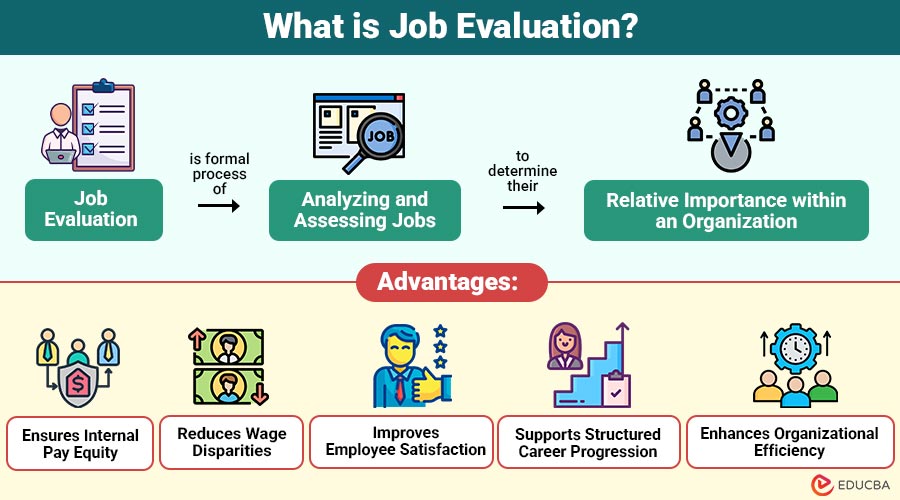
Job evaluation is a formal process of analyzing and assessing jobs to determine their relative importance within an organization. The goal is to rank or grade jobs systematically so that fair wage rates can be established.
Key aspects of job evaluation include:
- Evaluating jobs, not jobholders
- Comparing roles based on predefined criteria
- Supporting structured pay scales and compensation decisions
- Ensuring fairness and consistency in remuneration
Table of Contents:
Key Takeaways:
- Job evaluation creates a job hierarchy that supports consistent, unbiased, and defensible compensation decisions across organizations.
- It focuses on role requirements rather than individuals, helping organizations standardize pay structures objectively and transparently.
- A well-designed evaluation framework strengthens compliance, reduces internal pay conflicts, and improves long-term workforce planning outcomes.
- Regularly updated job evaluations align roles with business strategy, ensuring sustainable, equitable, and competitive compensation systems.
Objectives of Job Evaluation
The primary objectives are:
1. Establish Internal Equity
Job evaluation ensures a fair comparison of roles and maintains internal equity by aligning responsibilities, skills, and organizational values.
2. Develop Fair Salary Structure
It helps design structured, consistent salary systems that reflect job worth, responsibility levels, and organizational compensation policies.
3. Eliminate Wage Inequality
Reduces pay disparities and bias by objectively assessing jobs using standardized criteria and evaluation methods.
4. Ensure Pay Transparency & Compliance
It promotes transparent pay practices while ensuring compensation structures comply with labor laws and regulatory requirements.
5. Support Job Classification
Supports accurate job classification and grading by grouping similar roles based on value and complexity.
6. Improve HR Planning & Control
It enables effective workforce planning, budgeting, and control by aligning compensation with organizational goals and job priorities.
Importance of Job Evaluation
Job evaluation is important for both employers and employees due to the following reasons:
1. Fair Compensation
Ensures equal pay for work of equal value, reducing bias and maintaining internal salary equity.
2. Employee Trust & Morale
Builds employees’ confidence that pay decisions are transparent, justified, and based on objective job value.
3. Fewer Pay Disputes
Minimizes conflicts by providing clear, standardized criteria for salary determination and compensation disputes.
4. Data-Driven HR Decisions
Provides structured data to guide effective hiring, promotions, rewards, and workforce planning decisions.
5. Strategic Pay Alignment
Ensures pay structures support business goals, performance priorities, and long-term organizational growth plans.
Job Evaluation Methods
Job evaluation methods are broadly classified into non-quantitative and quantitative methods.
1. Ranking Method
Jobs are ranked from highest to lowest value based on overall importance, complexity, and contribution to organizational objectives.
2. Job Classification (Grading) Method
Jobs are grouped into predefined grades or classes according to duties, responsibilities, authority, and required qualifications.
3. Point Factor Method
Jobs receive points for compensable factors like skill, effort, responsibility, and working conditions to determine relative worth.
4. Factor Comparison Method
Jobs are compared using key factors, with monetary values assigned to each to establish fair and consistent pay.
Job Evaluation Process
A standard process involves the following steps:
Step 1: Job Analysis
Collect detailed information about job duties, responsibilities, skills, qualifications, and working conditions for accurate evaluation purposes and organization.
Step 2: Job Description Preparation
Document job roles clearly to ensure accurate, consistent, and standardized evaluation across the organization for all positions.
Step 3: Selection of Evaluation Method
Select an appropriate job evaluation method based on organizational size, structural complexity, and alignment with long-term strategic objectives.
Step 4: Job Evaluation
Evaluate and compare jobs systematically using the selected method to determine relative value fairly accurately and consistently organization-wide.
Step 5: Job Grading and Ranking
The group evaluated jobs into grade levels or hierarchies according to their relative importance, applying them internally, consistently, and transparently.
Step 6: Wage Structure Design
Design structured wage ranges aligned with job grades, internal equity, external market benchmarks, competitiveness, and sustainability goals.
Step 7: Review and Communication
Review evaluation outcomes periodically and communicate results transparently to management, employees, and stakeholders for clarity and trust acceptance.
Factors Considered in Job Evaluation
Common compensable factors used in job evaluation include:
1. Skill Level
Skill level measures required technical, managerial, and interpersonal abilities needed to perform job duties effectively and efficiently.
2. Education and Experience
Education and experience evaluate formal qualifications and practical knowledge required to meet job complexity and performance expectations.
3. Responsibility and accountability
Responsibility and accountability assess ownership of tasks, resources, people, and outcomes associated with the job role.
4. Effort
Effort evaluates mental concentration, the demands of problem-solving, and the physical exertion required to perform job responsibilities regularly.
5. Decision-Making Authority
Decision-making authority measures the extent of autonomy, judgment, and influence exercised while making job-related decisions.
6. Working Conditions
Working conditions assess environmental factors, hazards, stress levels, and the physical surroundings that impact employee comfort and safety.
Advantages of Job Evaluation
Job evaluation offers multiple advantages to organizations:
1. Ensures Internal Pay Equity
Ensures fair compensation by aligning salaries with job value, responsibilities, and organizational contribution levels.
2. Reduces Wage Disparities
Reduces unjustified pay differences by applying objective evaluation criteria across comparable roles organization-wide.
3. Improves Employee Satisfaction
Makes employees happier by being open, fair, and honest about how pay decisions are made.
4. Supports Structured Career Progression
Supports structured career progression by clearly defining job grades, roles, responsibilities, and advancement pathways.
5. Enhances Organizational Efficiency
Enhances organizational efficiency by optimizing workforce planning, cost control, and effective role alignment.
Limitations of Job Evaluation
Despite its benefits, it has certain limitations:
1. Time and Cost
Job evaluation can require significant time, expertise, and financial resources to design, implement, and maintain effectively.
2. Potential Subjectivity
Poorly designed job evaluation systems may introduce evaluator bias, reducing objectivity and consistency in results.
3. Regular Updates Needed
Job roles evolve over time, requiring regular reviews and updates to maintain evaluation accuracy and relevance.
4. Ignores Individual Performance
Focuses on job roles, not individual performance, effort, or personal contributions to outcomes.
5. Employee Resistance
A lack of transparency and communication may lead to employee misunderstandings, dissatisfaction, and resistance to job evaluation processes.
Real-World Examples
Here are some real-world examples illustrating how organizations apply job evaluation methods in practice.
1. Manufacturing Company
A manufacturing firm uses the point factor method to evaluate production, maintenance, and supervisory roles to ensure fair wage differentials.
2. IT Organization
An IT company applies job grading to differentiate software developers, team leads, and project managers for structured compensation.
3. Government Sector
Public sector organizations commonly use job classification methods to maintain standardized pay scales across departments.
Final Thoughts
Job evaluation is a systematic process of assessing job roles to determine their relative worth within an organization. It ensures fair, transparent, and consistent compensation by evaluating roles—not individuals—using methods such as ranking, grading, or point factors. It supports internal equity, structured pay scales, career progression, HR planning, and compliance, while reducing wage disparities and improving employee trust and satisfaction.
Frequently Asked Questions (FAQs)
Q1. Is job evaluation mandatory?
Answer: Job evaluation is not legally mandatory, but is widely adopted to ensure fair and structured pay practices.
Q2. How often should a job evaluation be conducted?
Answer: It should be reviewed whenever there are significant job changes or organizational restructuring.
Q3. Who performs job evaluation?
Answer: HR professionals, compensation specialists, or evaluation committees usually conduct job evaluations.
Q4. Does job evaluation affect salary increases?
Answer: It determines salary structure, while individual salary increases depend on performance appraisal.
Recommended Articles
We hope that this EDUCBA information on “Job Evaluation” was beneficial to you. You can view EDUCBA’s recommended articles for more information.


