


Updated May 5, 2026
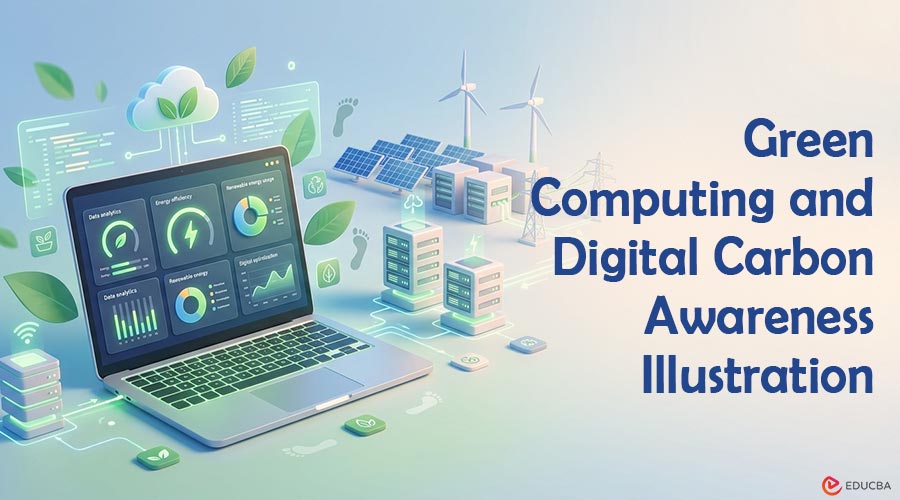
Technology is now part of almost every learning environment, workplace, and business process. As digital dependence grows, green computing is becoming increasingly relevant to how organizations manage their technology use responsibly. People use cloud platforms, websites, online classes, collaboration tools, streaming services, analytics dashboards, and artificial intelligence every day. These tools create convenience and efficiency, but they also depend on servers, networks, devices, and data centers that consume electricity.
This is why green computing is becoming more important. It encourages people and organizations to use digital tools to reduce waste, improve efficiency, and support sustainability. For teams that want a practical starting point, carbon footprint calculator resources can help explain where digital impact comes from and how it can be measured.
What Makes Digital Activity Part of a Carbon Footprint?
A carbon footprint represents the total greenhouse gas emissions associated with an activity, product, organization, or way of life. Digital activity may seem invisible, but it still has a physical side. A website page loads from a server. A video call sends data through networks. A cloud folder stores files on hardware that requires power and cooling. Even a simple online tool can involve multiple background systems.
The impact of one action is usually small. The larger issue is scale. A company with thousands of website visits, many stored files, frequent meetings, and heavy software use can create significant digital demand. Educational institutions, remote teams, software companies, and media-heavy businesses are especially likely to benefit from understanding this part of green computing and digital sustainability.
Green Computing Starts With Better Defaults
Green computing does not mean avoiding technology. It means designing and using technology more thoughtfully. For websites, this can include compressing images, reducing unnecessary scripts, improving page speed, and removing unused tracking tools. For teams, it may include organizing cloud storage, deleting duplicate files, and choosing the right communication format for each task.
These green computing practices often support more than sustainability. Faster websites are better for users. Cleaner storage makes files easier to find. More intentional meetings can save time and reduce fatigue. Efficient systems can also lower operating costs. In this way, digital sustainability and good technology management often move in the same direction.
Why Measurement Matters in Green Computing?
Organizations cannot improve what they do not understand. Measurement provides teams with a baseline and helps them prioritize actions. A business might learn that its website is heavier than it needs to be. A school may discover that old learning materials are stored in too many places. A remote team may find that large files are shared repeatedly when a single organized folder would work better.
The point is not to make every digital action perfect. The point is to identify avoidable waste and reduce it over time. When teams can see the connection between digital behavior and environmental impact, green computing initiatives become easier to discuss and easier to act on.
Building Sustainable Digital Habits Through Green Computing
Digital carbon awareness can become part of everyday work. Developers can consider performance and efficiency when building websites. Content teams can publish optimized media. Teachers and trainers can design online materials that are useful without being unnecessarily large. Managers can set clearer expectations around meetings, file storage, and tool usage.
As more of life and business moves online, green computing will continue to grow in importance. The best approach is practical: measure what matters, reduce obvious waste, and choose digital systems that are efficient by design. Responsible technology use is not only good for the environment; it can also make digital experiences faster, simpler, and more reliable.
Final Thoughts
Green computing is no longer a niche concern—it is becoming an essential part of responsible digital operations. As organizations rely more heavily on technology, understanding and reducing digital carbon impact will play a larger role in sustainability efforts. By combining awareness, measurement, and practical efficiency improvements, businesses and individuals can make smarter technology choices that improve performance and benefit the environment.
Recommended Articles
We hope this guide on green computing and digital carbon awareness helps you better understand the environmental impact of technology use. Explore these recommended articles for additional insights and strategies to improve digital sustainability and build more efficient technology practices.


