


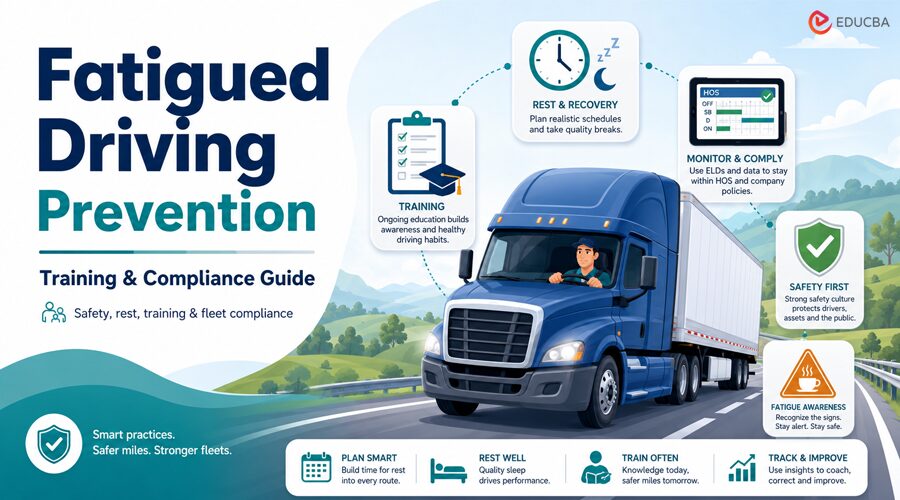
Fatigued driving is one of the most serious risks in commercial transportation. A tired truck driver may react more slowly, miss changing traffic patterns, drift between lanes, or make poor decisions in situations that require quick judgment.
For logistics companies, fleet operators, and drivers in Minot and across North Dakota, fatigued driving prevention is not only a safety priority. It is also a compliance, training, and operational management issue. Strong fatigue management systems can help prevent dangerous driving behaviors before they lead to a serious truck accident.
Why Fatigue Is a Business and Safety Concern?
Commercial truck drivers often work long schedules, manage tight delivery windows, and travel through changing road and weather conditions. In North Dakota, routes may involve highways, rural roads, industrial areas, construction zones, and long distances between stops.
Fatigue does not always mean a driver is falling asleep. It can also mean reduced attention, slower reaction time, poor decision-making, and difficulty judging speed or distance. These effects can be especially dangerous when the vehicle is a large commercial truck that needs more space to stop and maneuver.
Effective fatigued driving prevention programs help companies identify these risks early and create safer working conditions for drivers and other road users.
Training Is Essential for Fatigued Driving Prevention
Fatigue prevention begins with training. Drivers should understand the warning signs of tiredness before they become severe.
These signs may include:
- Frequent yawning
- Heavy eyelids
- Missed exits or traffic signs
- Drifting within a lane
- Trouble remembering the last few miles
- Delayed braking
- Irritability or reduced focus
- Relying heavily on caffeine to continue driving.
Training should also make clear that fatigue is not a weakness. It is a safety condition that must be managed like weather, vehicle defects, or hazardous cargo.
A strong fatigued driving prevention strategy encourages drivers to report tiredness early instead of continuing until their performance is affected.
Compliance Programs Support Effective Fatigued Driving Prevention
Hours-of-service rules are designed to reduce the risk of overwork and fatigue. However, compliance should not be treated as a box-checking exercise. A strong safety program should help drivers comply with rest requirements, accurately record duty status, and avoid schedules that make safe operation unrealistic.
Fleet managers should review logs, dispatch patterns, route assignments, rest breaks, and delivery expectations. If drivers are consistently close to legal limits, the company may need to adjust scheduling practices rather than assuming the risk is acceptable.
Compliance plays a major role in fatigued driving prevention because proper planning helps reduce excessive driving hours and unsafe work patterns.
Dispatch Decisions Can Influence Driver Fatigue
Driver fatigue is not always caused by one bad decision behind the wheel. It can be influenced by the way routes are planned and managed.
Dispatchers and supervisors should consider:
- Distance between stops
- Loading and unloading delays
- Weather conditions
- Road construction
- Time of day
- Available rest areas
- Driver experience
- Pressure from customers or brokers.
A schedule that looks efficient on paper may become unsafe in real-world conditions. Therefore, fatigued driving prevention training should include dispatchers and managers, not only drivers.
Electronic Records Can Help Identify Risk
Modern trucking operations often use electronic logging devices, GPS systems, telematics, and fleet management tools. These systems can help identify patterns that may increase fatigue risk.
Useful data may include:
- Driving hours
- On-duty time
- Rest breaks
- Harsh braking
- Lane departures
- Speed patterns
- Overnight driving
- Repeated schedule pressure.
This information should be used to improve safety rather than only defend against violations after an accident occurs.
By monitoring trends early, companies can strengthen their fatigued driving prevention programs and correct risky behaviors before they contribute to crashes.
Company Culture Plays a Role in Fatigued Driving Prevention
A driver may recognize that they are tired but still feel pressure to continue driving. This can happen when companies reward faster deliveries, discourage delays, or treat rest breaks as a productivity issue.
A strong safety culture makes it clear that drivers can report fatigue without fear of punishment. Managers should encourage:
- Honest communication
- Realistic scheduling
- Proper rest periods
- Safe decision-making.
When leadership treats rest as part of professional driving, drivers are more likely to follow fatigue-prevention practices.
Maintenance and Fatigue Can Overlap
Fatigue can become even more dangerous when combined with poor vehicle condition. A tired driver operating a truck with worn brakes, bad tires, steering problems, or lighting defects may have less ability to respond to hazards.
Training and compliance should include pre-trip inspections, post-trip reports, and timely repairs. Safety systems work best when both driver and vehicle conditions are taken seriously.
What Happens After a Fatigue-Related Truck Accident?
After a serious truck accident, investigators may review more than the crash scene. They may examine driver logs, electronic records, dispatch messages, delivery schedules, rest periods, maintenance files, and company policies.
The goal is to understand whether fatigue played a role and whether the driver, trucking company, broker, or another party contributed to the risk.
For someone injured in or around North Dakota, speaking with a Minot fatigued truck accident lawyer can help clarify which records may matter and how fatigue-related evidence may be evaluated.
Lowe Law Group assists people affected by serious commercial truck accidents. The firm can be a useful local resource when driver fatigue, medical treatment, insurance issues, and trucking company records overlap.
Final Thoughts
Reducing fatigued driving requires more than simply telling drivers to rest. It requires continuous training, realistic scheduling, accurate recordkeeping, active supervision, and a company culture that supports safety.
For transportation businesses, fatigued driving prevention is an essential part of responsible operations. For the public, it is a critical factor in making North Dakota roads safer for everyone.

