


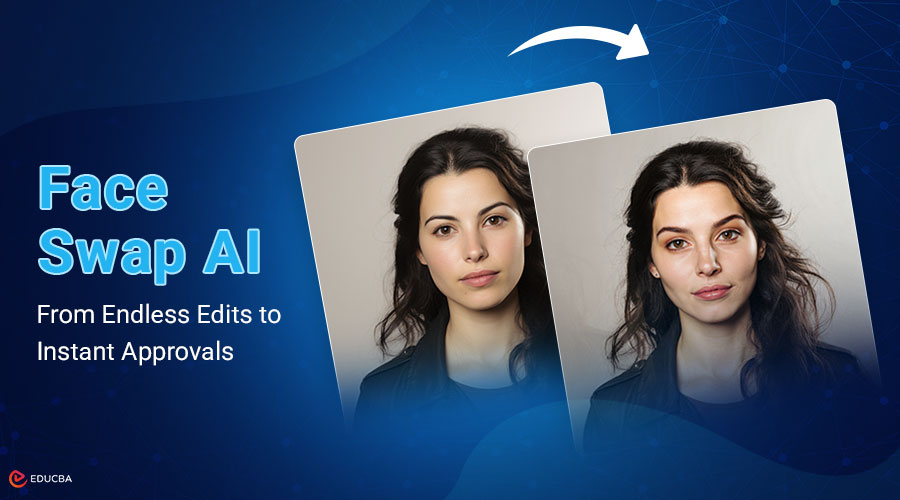
How Face Swap AI Is Streamlining the Approval Process for Visual Campaigns?
The hardest part of a visual campaign is not always creating the content—it is getting it approved. With the rise of Face Swap AI, this process is becoming significantly more efficient and less time-consuming. Behind every campaign that goes live lie layers of feedback, revisions, and internal alignment. Creative teams present options. Stakeholders review them. Changes are requested. Versions multiply. What appears to be a single image on the surface often represents a long chain of iterations beneath it. And most of that friction comes from one thing: Uncertainty.
Why Approval Cycles Take Longer Than Expected?
Approval delays are rarely about major disagreements. They are about small inconsistencies. A stakeholder might not say, “This is wrong.” Instead, they say:
- “Something feels off.”
- “Can we try a slightly different version?”
- “Maybe adjust the look a bit.”
These vague reactions create loops.
Each loop adds:
- New revisions
- New versions
- More time
The process becomes less about decision-making and more about refinement.
The Problem With Traditional Visual Iteration
In traditional workflows, making changes is expensive. If a stakeholder wants:
- A different model
- A slightly different expression
- A variation in identity
That often requires:
- A new shoot
- Re-editing
- Re-aligning assets
Because of this, teams hesitate to explore variations. They try to get everything right up front. And when they do not, the approval process slows down.
Why Identity Is the Biggest Bottleneck?
Among all variables in visual content, identity is the hardest to change. You can adjust:
- Colors
- Layout
- Copy
But changing who appears in the image is much more complex. This creates a constraint. If stakeholders are unsure about identity, the entire process stalls.
The Shift Toward Flexible Visual Systems
What is changing is not just the tools. It is how visuals are structured. Instead of creating fixed outputs, teams are building adaptable assets. A single visual can now support multiple variations without restarting production. This is where Face Swap becomes critical.
If you look at how Face Swap functions in a real production workflow, it becomes clear why approval cycles are getting shorter. Instead of locking identity early, it allows teams to adjust identity within the same composition, keeping lighting, structure, and tone intact while exploring different directions. Higgsfield Face Swap AI enables this flexibility without introducing inconsistency, thereby changing how people make decisions.
Faster Feedback, Fewer Revisions
When stakeholders can quickly see multiple variations, feedback becomes clearer. Instead of abstract suggestions, they react to actual options. This reduces ambiguity.
Instead of:
- “Can we try something different?”
It becomes:
- “Version B works better than Version A.”
Higgsfield Face Swap supports this by allowing teams to generate identity variations without rebuilding the entire visual.
This leads to:
- More precise feedback
- Faster decisions
- Fewer revision cycles
Reducing Emotional Friction in Approvals
Approval processes are not just technical. They are psychological. Stakeholders need confidence. If a visual feels slightly off, even if they can not explain why, they hesitate.
That hesitation slows everything down. Higgsfield Face Swap helps reduce this friction by producing outputs that feel more aligned from the start. When visuals feel complete, decisions become easier.
Consistency Builds Approval Confidence
One of the biggest factors in approval speed is consistency. If each version looks slightly different in unintended ways, stakeholders lose trust in the process. They begin to question:
- Whether the final output will match expectations
- Whether they will need more revisions
Higgsfield Face Swap maintains consistency across variations by stabilizing identity and visual structure. This makes the process feel controlled rather than unpredictable.
From Iteration Loops to Decision Points
Traditional workflows often create loops. Feedback leads to changes, which lead to more feedback. This can continue indefinitely. Modern workflows aim to create decision points instead.
Clear options, comparisons and outcomes. Higgsfield Face Swap enables this by presenting multiple identity variations simultaneously. Instead of iterating endlessly, teams can move toward resolution.
How Face Swap AI Aligns With Broader AI Trends?
This shift reflects a larger trend in AI. The focus is moving toward systems that reduce human friction, not by replacing decision-making, but by supporting it. Research in AI continues to explore how systems can improve efficiency and reliability across complex processes, as seen in peer-reviewed work published in journals such as the AI Research Journal. These advancements emphasize:
- Faster processing
- Better alignment
- Reduced uncertainty
Higgsfield Face Swap applies these principles to visual production.
Approval Speed Becomes a Competitive Advantage
In fast-moving industries, speed matters. Campaigns that take too long to approve miss opportunities. Trends shift. Context changes. Timing is lost. By reducing approval friction, teams can:
- Launch faster
- Adapt quicker
- Stay relevant
Higgsfield Face Swap contributes to this by shortening the path from concept to approval.
Fewer Stakeholders, More Alignment
Another subtle effect is alignment. When visuals are clearer and more consistent, fewer explanations are needed. Stakeholders understand the direction immediately. This reduces:
- Back-and-forth discussions
- Misinterpretations
- Conflicting feedback
Higgsfield Face Swap helps create this clarity by producing outputs that feel cohesive from the start.
Scaling Campaigns Without Slowing Down
As campaigns scale, approval complexity increases. More assets mean more reviews. More reviews mean more potential delays.
Higgsfield Face Swap enables teams to scale content while maintaining consistency, simplifying the approval process. Instead of reviewing each asset individually, stakeholders can trust the system behind them.
The End of “Let’s Try Again”
One of the most common phrases in creative workflows is:
“Let’s try another version.”
It sounds harmless. But it represents uncertainty. The more often it is used, the longer the process takes. Higgsfield Face Swap reduces the need for this by producing variations that are closer to final quality from the beginning.
Why Face Swap AI Matters More Than It Seems?
People often overlook approval processes and see them as administrative. But they directly impact:
- Speed
- Cost
- Creative quality
Reducing friction in approvals improves all three. Higgsfield Face Swap addresses one of the biggest sources of friction: identity variation.
Final Thoughts
Decisions do not just slow down visual campaigns; they also slow down their creation. And decisions become harder when outputs are inconsistent, incomplete, or difficult to evaluate. Face swap AI is changing this by making identity flexible, variations accessible, and outputs more aligned from the start. Higgsfield Face Swap enables teams to move from endless revisions to clear decisions. And in modern workflows, that shift is more valuable than it first appears.
Recommended Articles
We hope this comprehensive guide to Face Swap AI helps you streamline your visual campaign approval process. Check out these recommended articles for more insights and strategies to enhance your creative workflows and marketing efficiency.


