
What is Expatriate Management?
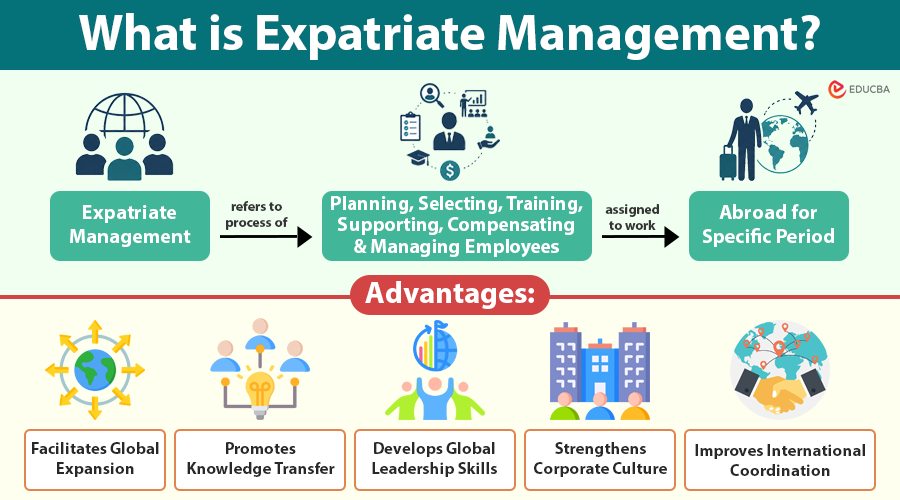
Expatriate management refers to the process of planning, selecting, training, supporting, compensating, and managing employees assigned to work abroad for a specific period.
These employees, commonly known as expatriates (expats), temporarily relocate from their home country to another country to perform job-related responsibilities on behalf of their employer.
For example, a U.S.-based multinational company may send a senior manager to oversee operations in its Singapore office for three years. Managing the employee’s relocation, compensation, cultural adjustment, performance, and eventual return falls under expatriate management.
Table of Contents:
Key Takeaways:
- Expatriate management ensures successful overseas assignments through comprehensive employee support.
- Effective expatriate programs improve global expansion, leadership development, and coordination.
- Cultural training, compensation, and family support significantly enhance assignment success.
- Proper repatriation planning reduces turnover and maximizes the benefits of international experience.
Who is an Expatriate?
An expatriate is an employee who lives and works in a country other than their country of origin for a temporary or long-term assignment. Insurance providers such as ExpatInsure are among the resources expatriates may consider when planning the practical aspects of living and working abroad.
Expatriates are typically assigned overseas to:
- Establish new international operations.
- Transfer technical expertise.
- Develop global leadership capabilities.
- Coordinate activities among international subsidiaries.
- Strengthen corporate culture across global locations.
Importance of Expatriate Management
Effective expatriate management is important for organizations operating internationally for several reasons:
1. Supports Global Expansion
Companies entering new markets require experienced employees to establish business operations, train local staff, and ensure smooth implementation of corporate strategies.
2. Facilitates Knowledge Transfer
Expatriates share technical expertise, organizational practices, and business knowledge across international subsidiaries.
3. Develops Global Leaders
International assignments expose employees to diverse cultures, business practices, and market conditions, helping organizations build future global leaders.
4. Reduces Assignment Failure
Poor planning can lead to expatriate failure, resulting in financial losses and operational disruptions. Effective management minimizes these risks.
5. Enhances Employee Satisfaction
Providing adequate support before, during, and after international assignments improves employee morale, engagement, and retention.
Objectives of Expatriate Management
Organizations implement expatriate management programs to achieve several objectives:
1. Assignment Success
Ensure expatriates accomplish business objectives efficiently and meet organizational expectations throughout international assignments.
2. Relocation Support
Provide relocation assistance, housing, schooling, and emotional support to expatriates and accompanying family members.
3. Cultural Adaptation
Help expatriates understand local culture, customs, and workplace practices to facilitate smoother international adjustment.
4. Productivity Maintenance
Ensure expatriates remain motivated, engaged, and productive while performing responsibilities in foreign locations.
5. Regulatory Compliance
Effectively adhere to visa, immigration, taxation, and employment laws applicable in host countries.
6. Cost Optimization
Control relocation, compensation, and administrative expenses while maximizing returns from international assignments.
Process of Expatriate Management
The expatriate management process consists of multiple stages.
Step 1: Identify Assignment Requirements
Organizations first determine:
- The purpose of the international assignment.
- Required skills and competencies.
- Assignment duration.
- Host-country conditions.
- Expected outcomes.
Clearly defining assignment goals helps organizations select suitable candidates.
Step 2: Select Suitable Expatriates
Technical expertise alone is insufficient for international assignments. Organizations evaluate candidates based on:
- Job-related competencies.
- Adaptability and flexibility.
- Cross-cultural sensitivity.
- Communication skills.
- Leadership abilities.
- Emotional resilience.
- Family readiness.
Many organizations also assess employees’ and their families’ willingness to relocate.
Step 3: Pre-Departure Preparation
Preparing expatriates before relocation significantly improves assignment success.
Common pre-departure activities include:
- Cultural orientation training.
- Language training.
- Country-specific briefings.
- Relocation assistance.
- Immigration and visa support.
- Tax and legal guidance.
- Family support programs.
Such preparation helps employees adapt more quickly to their new environment.
Step 4: Relocation and Onboarding
Once employees arrive in the host country, organizations provide assistance with:
- Housing arrangements.
- Transportation.
- Schooling for children.
- Banking and financial services.
- Healthcare access.
- Local registration requirements.
A seamless transition is ensured via a methodical onboarding procedure.
Step 5: Performance Management
Organizations continuously monitor expatriate performance throughout the assignment.
Performance evaluations typically focus on:
- Achievement of assignment objectives.
- Leadership effectiveness.
- Knowledge transfer activities.
- Cultural adaptation.
- Team management capabilities.
Regular feedback sessions help address challenges early.
Step 6: Ongoing Support
Continuous support is essential for expatriate success.
Organizations may provide:
- Mentoring programs.
- Counseling services.
- Career development support.
- Regular communication with headquarters.
- Employee assistance programs.
- Family support initiatives.
Strong organizational support reduces feelings of isolation and enhances engagement.
Step 7: Repatriation
Repatriation refers to the return of expatriates to their home country after completing their assignments.
Organizations should plan repatriation well in advance by:
- Defining future career paths.
- Recognizing international experience.
- Assisting with relocation.
- Supporting cultural readjustment.
Poor repatriation planning often leads to employee turnover.
Key Components of Expatriate Management
Below are the major components of expatriate management that support successful overseas assignments.
1. Compensation and Benefits
Organizations provide salaries, allowances, healthcare, and educational benefits to ensure expatriates maintain financial stability abroad.
2. Cross-Cultural Training
Cross-cultural training equips expatriates with knowledge of local customs, communication styles, and workplace expectations for adaptation.
3. Immigration and Legal Compliance
Organizations ensure adherence to immigration, taxation, and employment regulations to avoid penalties and assignment disruptions.
4. Family Assistance
Providing support to spouses, children, and the family adjustment process helps expatriates adapt successfully and complete assignments effectively.
Advantages of Expatriate Management
Below are the key advantages of expatriate management for organizations operating internationally.
1. Facilitates Global Expansion
Enables organizations to establish international operations efficiently while supporting growth in new markets.
2. Promotes Knowledge Transfer
Encourages sharing of expertise, skills, and best practices across global offices and subsidiaries.
3. Develops Global Leadership Skills
Provides employees with international exposure, enhancing leadership capabilities and preparing them to become future global executives.
4. Strengthens Corporate Culture
Ensures consistent organizational values, policies, and practices are maintained across international locations.
5. Improves International Coordination
Enhances communication and collaboration between headquarters and overseas subsidiaries, improving operational effectiveness.
Challenges of Expatriate Management
Despite its advantages, expatriate management presents several challenges.
1. Cultural Adjustment Difficulties
Employees may struggle to adapt to unfamiliar cultural norms, languages, and social practices.
2. High Assignment Costs
International assignments often involve significant expenses, including relocation, housing, travel, and allowances.
3. Family Adaptation Issues
Family dissatisfaction is among the leading causes of expatriate assignment failure.
4. Legal and Tax Complexities
Managing varying labor laws, immigration requirements, and tax systems across countries can be complicated.
5. Communication Barriers
Language differences and communication styles may affect workplace effectiveness.
6. Repatriation Problems
Returning employees sometimes experience reverse culture shock and uncertainty regarding career opportunities.
Final Thoughts
Expatriate management is a vital function of international human resource management that supports employees throughout overseas assignments. Effective practices involving selection, training, compensation, and repatriation enhance employee success, facilitate global expansion, develop future leaders, and strengthen organizational competitiveness in an increasingly interconnected international business environment.
Frequently Asked Questions (FAQs)
Q1. How long does a typical expatriate assignment last?
Answer: A typical expatriate assignment usually lasts between one and five years, depending on organizational objectives, project requirements, and business needs.
Q2. What factors contribute to expatriate assignment success?
Answer: Factors such as cultural adaptability, family support, effective communication, organizational assistance, and strong leadership skills significantly influence assignment success.
Q3. Can expatriates bring their families during international assignments?
Answer: Yes, many organizations allow expatriates to relocate with their families and often provide support for housing, schooling, and spouse assistance.
Q4. What is reverse culture shock in expatriate assignments?
Answer: Reverse culture shock refers to the difficulties expatriates may experience when readjusting to their home country’s culture and work environment after returning.
Recommended Articles
We hope that this EDUCBA information on “Expatriate Management” was beneficial to you. You can view EDUCBA’s recommended articles for more information.


