


Best Practices for Employee Wellness Programs
The importance of employee wellness is clear. Companies are realizing that a happy and healthy workforce boosts productivity, reduces turnover, and increases job satisfaction. Employee wellness programs improve workers’ physical, mental, and emotional health. These programs can change workplace culture, so organizations need to adopt effective practices.
Creating a strong employee wellness program is more than just filling out a checklist. It involves genuinely caring about your team’s health. When employees participate in wellness initiatives, they feel a sense of belonging, which encourages more involvement and creates a positive atmosphere.
Here are some best practices for employee wellness programs:
Variety of Programs
Offering a variety of employee wellness programs is essential to meeting employees’ diverse needs. Not everyone responds to the same incentives, so providing multiple options increases participation.
Some employees may enjoy group exercise classes, while others might prefer one-on-one coaching or mindfulness sessions. Flexible employee wellness programs allow individuals to choose activities that best fit their interests and lifestyles.
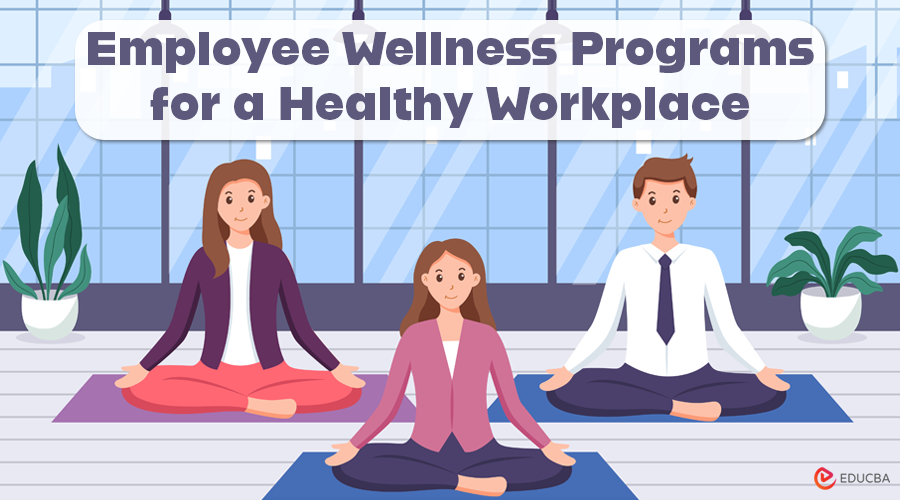
Organizations can include activities such as yoga sessions, meditation workshops, and nutrition seminars in their employee wellness programs. Regular health screenings can also motivate employees to take charge of their health. By offering diverse options, companies can engage more employees and create an inclusive wellness environment.
Supportive Environment
Building a supportive environment is crucial to the success of wellness programs. It begins with leaders’ commitment to health. When management participates in wellness activities, it encourages others to join. Employees feel valued when they see their leaders prioritize well-being.
Also, open communication about wellness initiatives helps identify what employees want. Collecting feedback lets employees share their preferences, making programs more effective. A supportive culture improves teamwork, strengthens relationships among colleagues, and makes employee wellness programs more effective.
Employee Wellness Software
Using employee wellness software can simplify program management and boost engagement. These platforms make it easy for employees to access resources, sign up for events, and participate in wellness challenges. This convenience encourages participation and keeps wellness top of mind for employees.
The software also provides useful data to help organizations see which initiatives work best. This information allows companies to tailor programs to meet employee needs. Using technology in wellness programs improves participation and shows that the organization values employee happiness and health.
Incentives and Rewards
Adding incentives is an effective way to boost participation in employee wellness programs. Many organizations offer rewards, such as gift cards, wellness bonuses, or extra vacation days, to employees who actively engage in wellness activities.
Friendly competitions, such as step-count challenges or fitness goals, can also energize employee wellness programs. These challenges motivate employees to stay active while building camaraderie among teams.
Such initiatives make employee wellness programs more engaging and foster a fun, supportive workplace culture.
Regular Communication
Good communication is key to the success of wellness programs. Keeping employees informed about resources, events, and program benefits is vital. Regular newsletters, intranet updates, or dedicated wellness portals can serve as reminders and encourage continued participation.
Sharing success stories from employees who have benefited from wellness initiatives can also inspire others to join. These stories reinforce the value of employee wellness programs and encourage a culture that prioritizes health and well-being.
Anonymous Feedback
Asking for anonymous feedback allows employees to share their thoughts candidly about wellness programs. This can provide valuable insights into what is working and what is not, helping organizations fine-tune their initiatives. Employees may feel more comfortable providing suggestions when their responses remain confidential. This feedback helps organizations refine their employee wellness programs and make them more effective.
Implementing changes based on this feedback not only demonstrates the organization’s commitment to employee input but also cultivates a culture of continuous improvement. This adaptability ensures that wellness programs remain relevant and effectively meet the evolving needs of the workforce.
Health Education and Resources
Health education and resources are key parts of good employee wellness programs. Companies can offer workshops, seminars, or online courses on topics like stress management, nutrition, and fitness. This helps employees learn how to make healthier choices. By giving them useful tools and information, companies can build a more health-focused workforce.
Additionally, companies can create wellness resource libraries with articles, videos, and guides on health topics. Encouraging employees to explore wellness helps them take control of their health, which leads to better well-being. Health education also helps make conversations about wellness normal in the workplace, creating an environment where employees feel comfortable asking for help.
Work-Life Balance Initiatives
Promoting work-life balance is important for employee wellness. Organizations can offer flexible work options, such as remote work or adjustable hours, to help employees manage their work and personal lives. Providing mental health days and encouraging employees to take their vacation time can also support a better balance.
Moreover, creating policies that accommodate family leave, caregiving, and personal commitments shows that the organization values employees as individuals. When employees feel their personal needs are respected, they tend to feel more satisfied and loyal to their jobs. A strong focus on work-life balance fosters a wellness culture that prioritizes each employee’s overall health, leading to a happier, more engaged workforce.
Leadership and Culture
Finally, strong leadership is vital to the success of employee wellness programs. Leaders play a significant role in inspiring participation and shaping the workplace culture. When leaders actively engage in wellness initiatives and prioritize their own health, it sends a clear message to employees that wellness is a core value of the organization.
Creating a culture that celebrates wellness can have profound effects on employee engagement and morale. When employees see that their company cares about their well-being, they are more likely to reciprocate with loyalty and commitment to their roles.
Final Thoughts
In the end, implementing best practices for employee wellness programs is about building a healthier, happier workforce and creating an environment where employees can thrive. If there is one thing to remember, it is that investing in your employees’ well-being pays dividends in productivity and satisfaction.
Recommended Articles
We hope this guide on Employee Wellness Programs helps you understand effective strategies for improving workplace health, engagement, and productivity. Explore the recommended articles below for insights on corporate wellness strategies, employee engagement initiatives, and building healthier workplace cultures.


