


Updated October 9, 2026
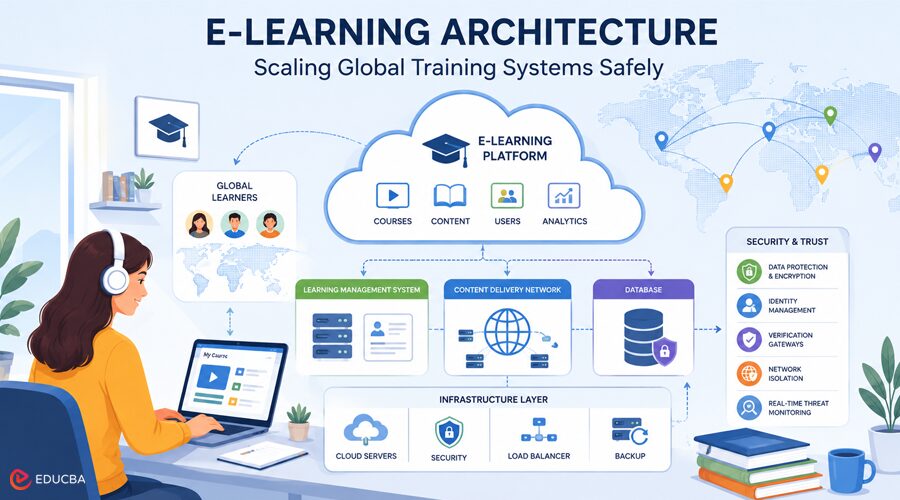
Developing scalable web architectures for online educational content requires strong data protection, isolated sandbox environments, and clean verification gateways to shield underlying learner management platforms from malicious scripts. E-learning administrators often utilize a free France number for verification to isolate staging environments and secure localized backend infrastructure. Educational platforms like EDUCBA expand globally by offering hands-on technical skills. However, the networks supporting these online learning platforms are always at risk of automated scans, making special infrastructure plans necessary.
Automated security systems across the web evaluate incoming communication lines using structural parameters rather than simple textual data. Standard data center IPs lack built-in user metadata, causing security systems to throttle connections and trigger multi-factor authentication. Mobile proxy routing helps avoid these system flags because carrier-grade NAT networks hide thousands of devices behind a shared cellular IP address. This makes it difficult for enterprise filters to block suspicious traffic without also affecting many legitimate users.
Network Trust Mechanics and Virtual Identity Management
Global ad fraud and algorithmic identity theft cause more than $40 billion in digital losses each year, prompting organizations to strengthen network security. Enterprise systems analyze packet-level characteristics rather than relying solely on IP addresses. They verify properties such as Maximum Transmission Unit (MTU) and Time to Live (TTL) to ensure a connection matches the expected operating system profile. This advanced verification helps identify suspicious traffic and prevents unauthorized access to web applications. Securing a free UK number for verification lets developers test regional service entry points and confirm how validation triggers respond to targeted cellular network headers.
True network isolation relies on physical hardware configurations running active SIM lines to route server requests through commercial cellular towers. Real-world 4G and 5G speeds of 10-50 Mbps provide reliable performance for data aggregation and remote server testing. These network speeds also support smooth multi-profile use without slowdowns. When combined with isolated browser environments, they create a realistic communication profile that resembles legitimate user activity. This setup enables engineering teams to run continuous backend automation while minimizing security alerts.
Optimizing Latency for Scalable E-Learning Architecture
Maintaining stable programmatic tunnels requires clean connection paths that keep 5G latency below 20ms. High-latency patterns indicate to a host web server that a session is traversing nested open proxies or remote data relays, which correlates strongly with bad automated traffic. When connection response times remain below this benchmark, destination applications process the data thread on their highest-priority tier, handling the software routine in the same way as a local retail user browsing on a smartphone.
This strict layer of network calibration offers distinct advantages when bypassing sophisticated anti-bot solutions such as Cloudflare, Akamai, or PerimeterX. Combining dedicated virtual phone lines with high-performance cellular network routing yields up to 98% scraping success rates, far outstripping the performance of legacy static data center configurations. Operational security depends on blending into the large flow of normal user traffic instead of trying to break through network defenses with heavy, poorly planned connection attacks.
Strategic Profile Isolation in Modern E-Learning Architecture
Technical architects and web developers frequently encounter rigid identity checkpoints when setting up cloud environments across separate geographic zones. A fundamental requirement for maintaining functional business channels is establishing complete separation between individual user profile parameters. If different testing environments use the same device ID, hardware ID, or shared IP range, platform systems can link them together, leading to a chain of account blocks across the whole setup.
To eliminate this systemic vulnerability, technical teams deploy anti-detection browser systems in which each testing profile operates via an isolated mobile routing modem. This explicit alignment ensures that each automation thread is assigned a unique cellular network address with individual carrier properties. By matching network endpoints to the right locations, developers create strong virtual identities that easily pass modern automated security checks.
The Technical Necessity of Single-User Token Distribution
Many communication providers reuse verification channels across multiple users, which can reduce the trustworthiness of connected accounts. Repeatedly using the same phone number to register multiple profiles may cause security systems to blacklist that MSISDN (Mobile Station International Subscriber Directory Number). Enterprise solutions minimize this risk by assigning each validation channel to a single user. This approach helps maintain a clean reputation and improves account security during authentication.
Maintaining ongoing access to an isolated communication channel enables automated business systems to respond efficiently to secondary authentication challenges. Web applications often trigger additional verification when they detect changes in physical location, browser versions, or hardware signatures. Continuous access to the original virtual validation resource ensures timely delivery of subsequent security tokens, protecting critical digital operations from unexpected downtime and account suspensions.
Strengthening E-Learning Architecture Against Behavioral Analytics
Modern internet services now use machine learning in real-time firewalls to find suspicious activity more accurately. Instead of relying only on IP blocklists, these systems analyze user behavior and interaction patterns on web pages. They monitor factors such as cursor movements, click timing, and navigation delays to distinguish human users from automated scripts. As a result, even clean network routing may not prevent automation tools from being detected if their behavior appears unnatural.
For example, websites covering sensitive or age-restricted topics such as galaxy gas may require additional safeguards to distinguish legitimate visitors from automated traffic and prevent unauthorized data collection. Similarly, websites providing information about everyday resources such as firewood may use traffic monitoring and verification systems to manage automated requests and protect their content.
Data engineering teams avoid these behavior checks by using special scripts that add random delays, uneven scrolling, and human-like clicks to their automated tasks. Combining these behavior changes with real mobile proxies helps achieve complete online privacy across complex websites. By rotating mobile IP points at set intervals or maintaining sticky connections for specific management steps, developers extract critical market data without risking production stability.
Future-Proofing Cloud Identity and Security Frameworks
The global web is quickly moving toward strict device-level checks, making software emulation outdated. New methods, such as cryptographic hardware checks, confirm that a connection comes from a real device with a genuine security chip. As these validation rules become required across consumer apps and learning platforms, using real mobile devices and actual carrier networks will become essential for business cloud operations.
Organizations managing E-Learning Architecture must adopt an infrastructure that can quickly adapt to evolving server security requirements. Industries that rely on connected hardware, including businesses dealing with mercury outboards, also depend on reliable digital systems to support operations and manage technical information. By combining dedicated, single-user virtual number resources with high-speed mobile routing paths, businesses can protect their digital learning environments from unexpected platform updates and evolving anti-fraud mechanisms. Investing in reliable network systems, secure verification methods, and robust cloud systems is one of the best ways to keep automated processes secure, comply with regulations, and run smoothly as online education continues to grow worldwide.
Recommended Articles
We hope this guide on E-Learning Architecture helps you understand how secure, scalable infrastructure supports reliable online learning platforms and global training systems. Explore these recommended articles for more insights on e-learning platforms, cloud infrastructure, cybersecurity, learning management systems, network security, and digital education technologies.


