


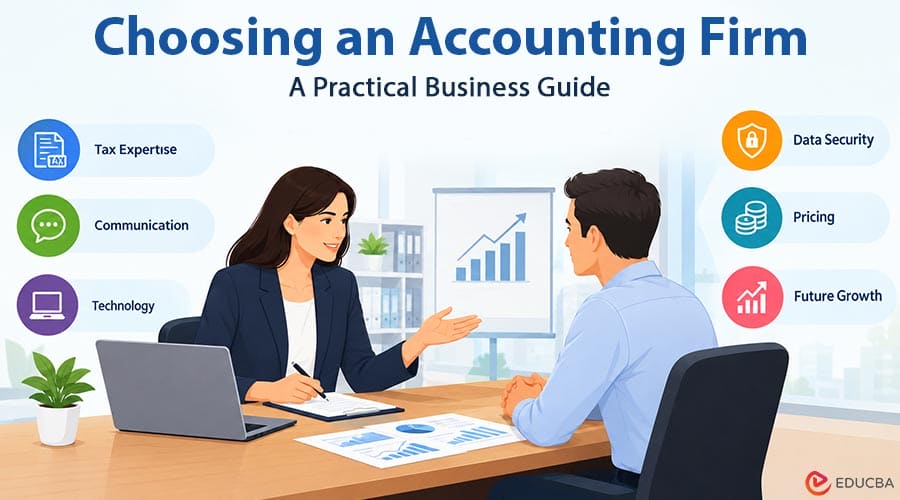
Choosing an accounting firm is a key decision for a growing business. As a company increases sales, hires employees, adds suppliers, and takes on more financial responsibilities, accounting can become harder to manage internally. A business may start with basic bookkeeping and simple tax records. Over time, however, it may need regular financial reporting, payroll support, tax preparation, cash flow monitoring, budgeting, and assistance with more complicated financial matters.
The right accounting firm can help organize these responsibilities and provide business owners with reliable financial information. However, choosing a suitable provider requires more than searching for a nearby firm and selecting the first result. Business owners researching accounting firms near me should compare tax expertise, communication, technology, and the firm’s ability to support future growth. A careful evaluation can help businesses find professional support that matches their current needs and remains useful as the company grows.
Start With Your Business’s Accounting Needs
Before contacting accounting firms, identify the services your business actually requires. Some companies may only need annual tax preparation. Others may need monthly bookkeeping, payroll processing, financial reports, accounts receivable management, or regular cash flow reviews. Make a list of the accounting tasks currently handled by you or your employees.
This may include:
- Recording sales
- Tracking expenses
- Creating invoices
- Paying suppliers
- Reconciling bank accounts
- Managing payroll
- Preparing tax information
- Monitoring customer payments
- Preparing financial reports
- Managing business budgets
Once you understand your current requirements, it becomes easier to determine which type of accounting firm is right for you.
Consider the Firm’s Experience
Experience with businesses similar to yours can be valuable. Accounting firms may serve many different types of clients, including individuals, freelancers, retailers, manufacturers, contractors, professional service providers, and corporations.
Each business type can have different accounting requirements. A growing company should ask whether a prospective firm has experience with businesses of a similar size, structure, and industry. Industry familiarity may help the accountant understand common expenses, revenue patterns, reporting needs, and financial challenges associated with your type of operation.
Review Tax Expertise When Choosing an Accounting Firm
Tax responsibilities can become increasingly complicated as a business grows. Changes in revenue, employees, business structure, assets, expenses, and other financial activities may affect the company’s tax obligations. When comparing accounting firms, ask about their experience with the tax requirements relevant to your business. It is also useful to ask how the firm approaches tax preparation throughout the year.
A strong accounting process does not begin shortly before a filing deadline. Maintain financial records consistently so the information needed for tax work is available when required. Ask whether tax preparation is included in the firm’s standard services or billed separately.
Evaluate Communication
Communication is one of the most important parts of an ongoing accounting relationship. Business owners may need to ask questions about expenses, tax documents, financial reports, payroll, cash flow, or other matters. If communication is slow or unclear, even routine accounting tasks can become frustrating. Before choosing a firm, ask how clients normally communicate with their accountants.
Find out whether communication takes place through email, phone calls, video meetings, an online portal, or a combination of methods. You should also ask how quickly the firm typically responds to client questions and whether you will have a dedicated contact.
Ask Who Will Handle Your Account
Large accounting firms may have several professionals working on different parts of a client’s financial records. Smaller firms may assign one accountant to each business. Neither structure is automatically better for every company. The important thing is knowing who will be responsible for your account.
Ask:
- Who will be my primary contact?
- Who reviews the work?
- Who handles tax filings?
- Who should I contact if my accountant is unavailable?
- How often will we communicate?
Knowing the answers can make the working relationship more predictable.
Check the Technology Used
Technology has become a key part of modern accounting. Accounting platforms can automate tasks such as transaction imports, invoicing, expense tracking, bank reconciliation, payroll, and financial reporting.
When choosing a firm, ask which software platforms it uses. If your company already uses accounting software, find out whether the firm is familiar with it. If you are planning to change systems, ask whether the firm can assist with the transition. A compatible technology setup can make it easier to share information and access financial reports.
Consider Data Security
Accounting firms handle sensitive business information. This may include bank statements, tax records, payroll information, invoices, financial statements, and other confidential documents. Ask how the firm stores and shares client information. A firm should have procedures to protect financial data and control access to client documents. It is also useful to understand how you will submit documents. Secure client portals may provide a more organized way to exchange sensitive financial information.
Compare Pricing Carefully
Price is an important factor, but it should not be the only consideration. Accounting firms may use different billing structures. Accounting firms may use different pricing models, such as monthly retainers, hourly rates, or separate charges for individual services.
For example, one firm might offer bookkeeping, tax preparation, and financial reporting in one monthly package. Another might charge separately for each service. Ask the firm to clearly outline the services covered in the fee.
Questions to ask include:
- What is included in the monthly fee?
- Is tax preparation included?
- Are payroll services included?
- Are consultations included?
- Are there additional charges?
- Is there an extra fee for urgent work?
- Does the price change as transaction volume increases?
Understanding the full pricing structure makes it easier to compare providers.
Think About Future Growth
A growing business should consider more than what it needs today. The company may hire more employees, increase its customer base, add another location, introduce new services, purchase equipment, or seek financing.
Each change can create additional accounting requirements. Ask potential firms whether they can increase or adjust their services as the business develops. For example, a company may initially need monthly bookkeeping and tax preparation. Later, it may require payroll management, cash flow reporting, budgeting, and more detailed financial statements. A firm that can handle these changes can provide continuity as the business grows.
Review Financial Reporting Services
Financial statements can help owners understand how the business is performing. Common reports include income statements, balance sheets, cash flow statements, accounts receivable reports, and accounts payable reports. Not every company requires every report every month. However, growing businesses often benefit from regular financial information.
Ask potential accounting firms what reports they provide and how frequently they prepare them. Also ask whether the accountant will explain the figures when needed. Financial reports are more useful when the owner understands what the numbers mean and how they relate to the company’s operations.
Ask About Bookkeeping
Bookkeeping is the foundation of accurate financial reporting. A firm may offer full-service bookkeeping or simply review records the business owner prepared.
Find out exactly what the service includes:
- Does the firm record transactions?
- Does it reconcile bank accounts?
- Does it manage accounts payable and accounts receivable?
- Does it review expense classifications?
- Does it prepare monthly reports?
The answers will help you understand how much accounting work will remain with your internal team.
Consider Payroll Support
Hiring employees introduces additional financial responsibilities. Payroll involves wages, deductions, employee records, and other costs. Depending on the business location, there may also be specific payroll reporting and tax requirements.
If your company already has employees or plans to hire soon, ask whether the accounting firm provides payroll services. Keeping payroll information connected with the company’s broader accounting records can make financial reporting more organized.
Ask About Cash Flow Support
Profitability and cash availability are not the same thing. A company may generate strong sales while waiting weeks or months to collect customer payments. At the same time, suppliers, employees, lenders, and service providers may require timely payments.
Cash flow reporting can help owners understand expected money coming into and leaving the business. If cash flow is an important concern for your company, ask whether prospective firms provide cash flow reports or related financial support.
Look at the Firm’s Availability
Growing businesses may occasionally have urgent accounting questions. A tax deadline may approach, a lender may request financial documents, or the owner may need information before making an important business decision.
Ask how the firm handles urgent requests. Some firms may have specific response policies or dedicated support teams. Understanding availability before signing an agreement can prevent unrealistic expectations.
Check Professional Qualifications
Business owners should review the qualifications of the accounting professionals who will handle their financial information. Depending on the location, different professional accounting designations and regulatory requirements may apply.
Ask about the qualifications of the person responsible for your account and the firm’s experience with businesses similar to yours. Credentials are one factor among many, but they can provide useful information during the selection process.
Review Client Feedback
Online reviews can provide additional insight into an accounting firm’s service. Look for recurring comments about communication, accuracy, responsiveness, professionalism, and reliability. However, reviews should not be treated as the only source of information. A firm with positive reviews may not necessarily offer the specific services your business needs. Consider reviews alongside qualifications, services, pricing, technology, and direct conversations with the firm.
Schedule an Initial Conversation
A preliminary consultation can help determine whether an accounting firm is a suitable match. Before the meeting, prepare a summary of your business.
Include information such as:
- Business structure
- Industry
- Approximate transaction volume
- Number of employees
- Current accounting software
- Current accounting challenges
- Services you require
- Expected growth plans
This allows the accountant to understand your situation and explain which services may be relevant. You can also use the conversation to assess communication style and responsiveness.
Ask About Client Responsibilities
Hiring an accounting firm does not mean the business owner has no accounting responsibilities. The owner may still need to provide bank statements, receipts, invoices, payroll information, expense records, and other documents. Ask the firm what information it needs and how frequently it needs it. Knowing these requirements can help you establish an efficient monthly process.
Consider the Business Structure
Your company’s legal and tax structure can affect its accounting requirements. Sole proprietorships, partnerships, corporations, and other structures may have different reporting and tax considerations. A firm familiar with your business structure can help maintain appropriate financial records and prepare relevant reports. If you are considering changing your business structure, ask whether the firm provides accounting support related to that transition.
Look for a Long-Term Working Relationship
Accounting is generally an ongoing responsibility. A growing company may work with its accountant for many years, so compatibility matters. Look for a firm that communicates clearly, understands your business, provides timely information, and offers services that can adapt as your requirements change. A long-term relationship can also help the accountant better understand the company’s financial history and goals.
What a Good Accounting Firm Should Provide?
While every business has different requirements, several characteristics can make an accounting relationship more useful.
These include:
- Clear communication
- Accurate recordkeeping
- Reliable reporting
- Relevant tax knowledge
- Appropriate technology
- Transparent pricing
- Timely responses
- Professional qualifications
- Experience with similar businesses
- Services that can expand with the company
These factors can help business owners compare firms based on practical needs rather than simply selecting the lowest-cost provider.
A Practical Process for Choosing an Accounting Firm
A simple selection process can make the decision easier.
- Start by identifying your accounting requirements.
- Next, create a shortlist of firms that provide those services.
- Compare their experience, qualifications, pricing, technology, communication methods, and availability.
- Speak with the firms directly and ask specific questions about your business.
- Finally, review the proposed agreement carefully before committing.
This process takes some time, but accounting is an ongoing business responsibility, so selecting a suitable provider is worth careful consideration.
Final Thoughts
Choosing an accounting firm for a growing business involves more than searching for a nearby provider and comparing prices. Business owners should consider the firm’s tax expertise, bookkeeping services, communication, technology, data security, reporting capabilities, professional qualifications, and ability to accommodate future growth. Also, understand exactly what the firm’s pricing includes and which responsibilities will remain with the business.
The right accounting relationship can give owners more reliable financial information while reducing the administrative burden associated with bookkeeping and tax responsibilities. When comparing accounting firms near me, focus on the firm’s ability to meet your current requirements and provide appropriate support as the company develops. A careful evaluation can help you establish an accounting process that stays practical as your business grows and becomes more financially complex.
Recommended Articles
We hope this comprehensive guide to choosing an accounting firm helps you find the right financial support for your growing business. Check out these recommended articles for more insights and practical strategies to manage your business finances effectively.


