


What Is a Casual Contract?
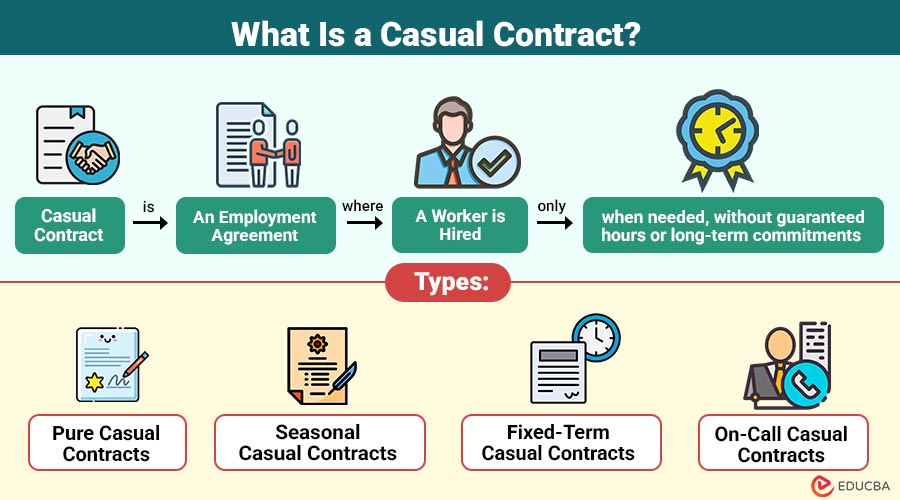
A casual contract is an employment agreement where a worker is hired only when needed, without guaranteed hours or long-term commitments. It gives both the employer and the worker flexibility, allowing shifts to be offered and accepted based on availability.
For example, a retail store might call a casual worker during busy weekends or holiday seasons when extra help is required, and the worker can choose to accept or decline the shift.
Table of Content:
- What Is a Casual Contract?
- Types of Casual Contracts
- Key Elements
- Benefits
- How to Create an Effective Casual Contract?
- When Should a Business Use a Casual Contract?
- Limitations and Risks
Key Takeaways
- Casual contracts offer flexibility for both employers and workers, allowing shifts to be matched to demand without long-term commitments.
- Clear contracts with defined duties, payment terms, and legal compliance prevent misunderstandings and ensure smooth operations.
- While casual roles offer opportunities and flexible schedules, they come with risks such as income instability, limited benefits, and less job security.
- Businesses should use casual contracts strategically during peak periods, short-term projects, or staff absences to manage costs and maintain efficiency.
Types of Casual Contracts
Casual contracts can vary based on how long the work lasts and when workers are needed.
- Pure Casual Contracts: These contracts involve hiring workers only when needed, with no fixed schedule or long-term expectations. The employer offers shifts based on demand, and the worker can choose whether to accept.
- Seasonal Casual Contracts: These are used during busy periods—such as festivals, holidays, tourist seasons, or harvest time. Employers hire workers for short, recurring seasonal needs when businesses experience higher workloads.
- Fixed-Term Casual Contracts: This type combines casual flexibility with a defined timeframe. Employers hire workers for a specific short-term project, event, or temporary replacement, and workers still work only when assigned shifts.
- On-Call Casual Contracts: Workers remain available for employers to call in at short notice. Employers contact them whenever immediate help is required, such as in hospitality or customer service.
Key Elements Every Casual Contract Should Include
These key elements help employers and workers stay clear about expectations and responsibilities.
- Work Duties and Expectations: Clearly state what tasks the worker will handle and outline any specific responsibilities. This helps both sides stay aligned from the start.
- Work Hours and Availability: Specify how employers will offer shifts, the worker’s expected availability, and any minimum notice period for assigning work. This ensures smooth scheduling.
- Payment Terms: Specify the rate of pay, any applicable overtime or penalty rates, and how often the employer will make payments. Clear payment details build trust.
- Termination Conditions: Explain how either party can end the contract, including notice requirements or situations that allow immediate termination.
- Legal and Safety Requirements: Add information about compliance with labor laws, workplace safety rules, and anti-discrimination policies to protect both the employer and the worker.
Benefits of Casual Contracts
Casual contracts offer advantages for both employers and workers by providing flexibility and convenience.
- Flexibility for Employers: Businesses can adjust staff levels in response to demand. They can bring in extra help during busy periods without committing to long-term employment.
- Cost-Effective Hiring: Employers pay only for hours worked, helping them manage labor costs more efficiently, especially during unpredictable workloads.
- Better Work-Life Balance for Workers: Casual workers can choose shifts that fit their personal schedule, making it easier to balance work with studies, family, or other activities.
- Extra Income Opportunities: Casual roles allow individuals to earn additional income without committing to full-time jobs, which is great for students or part-time job seekers.
- Exposure to Different Work Environments: Casual contracts enable workers to try different industries and roles, helping them gain varied experience and build new skills.
How to Create an Effective Casual Contract?
Creating a clear and fair casual contract helps both employers and workers avoid confusion and maintain a smooth working relationship.
- Use Clear and Simple Language: Write the contract in easy-to-understand terms. Avoid legal jargon so both sides know exactly what the agreement covers.
- Define Roles and Responsibilities: Clearly describe the tasks, duties, and level of performance expected from the worker. This sets a strong foundation for accountability.
- Explain Shift Allocation and Availability: Specify how employers will offer shifts, the expected response time, and any required notice. This helps manage scheduling without confusion.
- State Payment Details Clearly: Include hourly rates, overtime or penalty rates (if applicable), and the payment schedule. Transparent pay terms build trust and prevent disputes.
- Add Termination and Legal Clauses: Outline the conditions under which either party can terminate the contract, and verify that the agreement adheres to local labor regulations and workplace safety requirements.
When Should a Business Use a Casual Contract?
Businesses should use casual contracts when flexibility and temporary staffing are essential.
- During Peak Seasons or High Demand: Hire casual workers when business activity spikes, such as holidays, festivals, or sales events, to handle increased workloads without long-term commitments.
- For Short-Term Projects: Use casual contracts for specific tasks or projects with clear start and end dates, such as event planning, product launches, or temporary replacements.
- To Cover Staff Absences: Casual employees can step in for full-time staff on leave, sick, or otherwise unavailable, ensuring smooth operations.
- When Flexibility Is Needed: Casual contracts suit businesses with unpredictable demand, such as restaurants, retail stores, or delivery services, where staffing needs change frequently.
- To Manage Costs Effectively: Hiring casual workers helps control labor expenses, as businesses only pay for hours worked without long-term financial obligations.
Limitations and Risks
Casual contracts come with certain drawbacks that both employers and workers should understand before agreeing to them.
- Unstable Income: Because employers offer work only when needed, casual workers may face irregular hours and unpredictable earnings, making financial planning difficult.
- Lack of Job Security: Employers do not guarantee shifts for casual employees, which can create uncertainty about how often they call them to work.
- Limited Employee Benefits: Many casual roles do not include paid leave, health insurance, or long-term benefits, thereby reducing overall financial protection for workers.
- Last-Minute Scheduling: Workers may receive shift notifications at the last minute, creating challenges with managing personal time, travel plans, and other commitments.
- Fewer Growth Opportunities: Casual positions may offer limited training, promotions, or career development, as employers often reserve such opportunities for permanent staff.
Final Thoughts
Casual contracts offer a flexible solution for both employers and workers, balancing the need for temporary staffing with personal convenience. While they provide benefits such as cost savings and flexible schedules, understanding the key elements, risks, and proper management is essential. When used thoughtfully, casual contracts can support business efficiency and provide meaningful opportunities for workers.
Frequently Asked Questions
1. Can casual workers switch to permanent roles?
Answer:- Yes, employers may offer permanent positions if a casual worker proves reliable and skilled.
2. Do casual contracts require written agreements?
Answer:- While not always mandatory, having a written contract clarifies expectations and protects both parties.
3. Are casual workers entitled to sick leave?
Answer:- Typically, casual workers do not receive paid sick leave, but this may vary by local laws.
4. Can casual contracts be renewed?
Answer:- Yes, employers can extend or renew casual contracts based on business needs and mutual agreement.
Recommended Articles
We hope this guide on Casual Contracts helped you understand flexible work arrangements. For more finance insights, explore these related articles below:


