


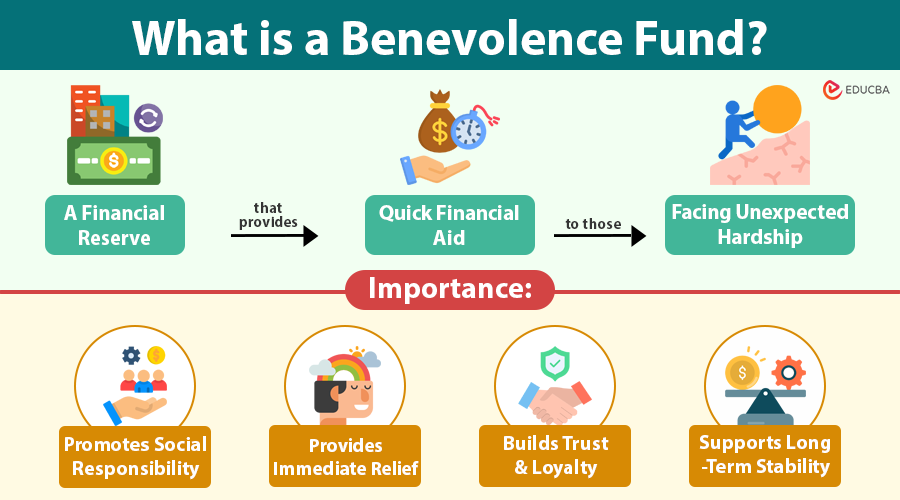
What is a Benevolence Fund?
A benevolence fund is a financial reserve established by organizations, companies, religious institutions, or nonprofits to provide immediate aid to individuals or groups facing unforeseen hardships. These funds are particularly vital during times of medical emergencies, natural disasters, or financial crises. Unlike loans or insurance, benevolence funds do not require repayment, which makes them an essential tool for promoting social welfare.
This concept reflects a culture of empathy, compassion, and corporate or social responsibility. For organizations, these funds also enhance employee morale, attract community goodwill, and foster a supportive environment where people feel cared for.
Moreover, it can serve as a structured approach to charitable giving. Instead of ad-hoc donations, it provides a centralized mechanism for collecting, managing, and effectively distributing financial aid.
Table of Contents
Key Features of a Benevolence Fund
Here are some key features that define an effective benevolence fund, ensuring it provides meaningful, timely, and transparent support to those in need:
1. Targeted Assistance
It supports individuals or families who genuinely require assistance. This can include employees in crisis, students struggling with tuition, or community members affected by disasters. By focusing on eligible beneficiaries, the fund ensures its resources have maximum impact.
2. Flexible Usage
One of the key advantages is its flexibility. Funds can be used for a variety of urgent purposes, such as:
- Medical treatment or hospitalization costs
- Housing support for displaced families
- Educational assistance, including tuition, books, or supplies
- Food, clothing, and other essential living expenses.
3. Voluntary Contributions
Employees, community members, or companies fund benevolence funds through voluntary contributions or corporate social responsibility (CSR) budgets. Many organizations encourage recurring donations to ensure the fund is consistently available when needed.
4. Transparency and Accountability
Maintaining transparency is crucial. Clear guidelines, proper documentation, and regular audits build trust and prevent misuse. Reporting on how organizations allocate funds assures donors and stakeholders that their contributions make a real difference.
Types of Benevolence Funds
Here are the main types of benevolence funds, each designed to address specific needs within organizations, communities, educational institutions, and religious groups:
1. Employee Benevolence Fund
Many companies establish an employee benevolence fund to assist staff during personal or family emergencies. These funds may cover medical emergencies, sudden job loss, accidents, or other crises. By providing a safety net, organizations help employees navigate difficult periods without stress affecting their work performance.
Benefits:
- Increases employee loyalty and engagement
- Reduces absenteeism during emergencies
- Enhances the company’s reputation as a caring employer.
2. Church or Religious Benevolence Fund
Religious institutions often maintain such funds to support congregants and local communities in need. The fund may cover expenses such as food, medical bills, educational needs, and housing support.
Benefits:
- Strengthens the bond between the institution and its members
- Helps the community recover from crises more quickly
- Encourages charitable giving and community involvement.
3. Community Benevolence Fund
Non-profits or local organizations manage community benevolence funds to assist underprivileged populations. These funds often support:
- Disaster relief efforts
- Food and shelter for low-income families
- Healthcare initiatives for vulnerable populations.
Benefits:
- Promotes social equity and community welfare
- Reduces poverty and financial instability
- Builds a stronger, more cohesive community.
4. Educational Benevolence Fund
Educational institutions, including schools, colleges, and universities, establish benevolence funds to assist students who are struggling financially. Support may include scholarships, tuition fee assistance, and the provision of study materials.
Benefits:
- Ensures talented students are not denied education due to financial constraints
- Encourages student retention and success
- Enhances the institution’s reputation for supporting inclusivity.
Importance of a Benevolence Fund
Here are some key reasons why establishing a benevolence fund is important for organizations and communities alike:
1. Promotes Social Responsibility
Establishing a benevolence fund demonstrates a commitment to social responsibility. For corporations, it demonstrates to employees and the public that the organization prioritizes human welfare. For community groups and religious institutions, it reinforces their role in supporting society during tough times.
2. Provides Immediate Relief
Organizations design benevolence funds for fast deployment. Unlike bureaucratic processes associated with loans or grants, these funds can provide immediate financial assistance to alleviate urgent needs.
3. Builds Trust and Loyalty
Transparency and timely support build trust among employees, members, or community beneficiaries. Individuals are more likely to remain loyal to organizations that actively care for their welfare.
4. Supports Long-Term Stability
By addressing immediate crises, benevolence funds prevent long-term financial instability. Families, employees, or students are better able to recover and regain their footing, which ultimately benefits both the individual and the organization.
How to Establish a Benevolence Fund?
- Define objectives: Determine the purpose of the fund: medical emergencies, education, disaster relief, or general welfare. Clear objectives help maintain focus and accountability.
- Determine funding sources: Identify potential contributors such as employees, members, CSR budgets, grants, or philanthropic donations. Encourage recurring contributions for sustainability.
- Set eligibility criteria: Establish clear rules to determine who qualifies for assistance. Criteria may include income level, emergency severity, or community affiliation.
- Create a management structure: Appoint a committee or designated team to oversee fund management. Responsibilities include processing applications, disbursing funds, and maintaining accurate records.
- Ensure transparency: Implement regular reporting and auditing procedures. Keep stakeholders and donors informed about how you utilize the funds and the impact they have.
Best Practices for Managing a Benevolence Fund
- Maintain a structured application and review process for beneficiaries.
- Document every contribution and disbursement for accountability.
- Conduct regular audits to prevent fraud or misuse of funds.
- Promote awareness of the fund to ensure those in need can access it.
- Encourage feedback from recipients to continually improve the fund’s processes.
- Set aside a portion of the fund for emergency contingencies to ensure availability in crises.
Challenges in Maintaining a Benevolence Fund
- Limited funding: The fund may not always have sufficient resources to meet all requests. Organizations should plan fundraising strategies to maintain balance.
- Fraudulent claims: Without proper verification, people may misuse funds. Implementing a thorough vetting process mitigates this risk.
- Administrative overhead: Managing applications, disbursements, and reporting requires effort and personnel. Technology solutions can streamline management.
- Balancing demand and supply: When demand exceeds available resources, prioritization becomes necessary, which may lead to difficult decisions.
Final Thoughts
A benevolence fund is a vital tool for fostering compassion, social responsibility, and community well-being. It provides financial support during crises, enhances trust, and fosters long-term stability for beneficiaries. Whether implemented by companies, religious institutions, educational organizations, or community groups, a well-managed benevolence fund ensures that help is available when it is needed most.
By establishing clear objectives, ensuring transparency, and actively engaging contributors, organizations can create a benevolence fund that not only addresses immediate needs but also strengthens the values of empathy, solidarity, and care within their community.
Frequently Asked Questions (FAQs)
Q1. How is a benevolence fund different from a charity or nonprofit organization?
Answer: A benevolence fund is usually a subset or internal initiative within an organization, business, or institution that provides direct aid to individuals in need. In contrast, a charity or nonprofit organization operates as a separate legal entity focused on broader public welfare objectives. Benevolence funds are typically smaller in scope and more flexible in disbursing aid.
Q2. Are donations to a benevolence fund tax-deductible?
Answer: Tax deductibility depends on local laws and the organization’s legal status. If the organization managing the benevolence fund is a registered charitable entity, donations may qualify for tax deductions. However, funds run by private companies or informal groups might not offer such benefits. It is advisable to consult a tax advisor or review relevant jurisdictional rules.
Q3. What documentation is usually required to apply for assistance?
Answer: Applicants may need to provide proof of need, such as medical bills, eviction notices, or employment termination letters. The exact documentation depends on the fund’s guidelines and the nature of the emergency.
Q4. Can benevolence funds provide non-financial assistance?
Answer: Yes. Besides monetary aid, funds may offer in-kind support such as food, clothing, counseling, or access to healthcare and housing services. Combining financial and practical assistance often enhances the overall impact of the support.
Q5. How can technology help manage a benevolence fund?
Answer: Digital platforms and donation management software can streamline applications, automate tracking, prevent fraud, and generate transparent reports. Online tools also simplify recurring donations and donor communication.
Recommended Articles
We hope this guide on benevolence funds helps you understand their purpose, structure, and impact on communities and organizations. Explore related topics to learn more about corporate social responsibility, community welfare programs, and effective fund management practices.


