


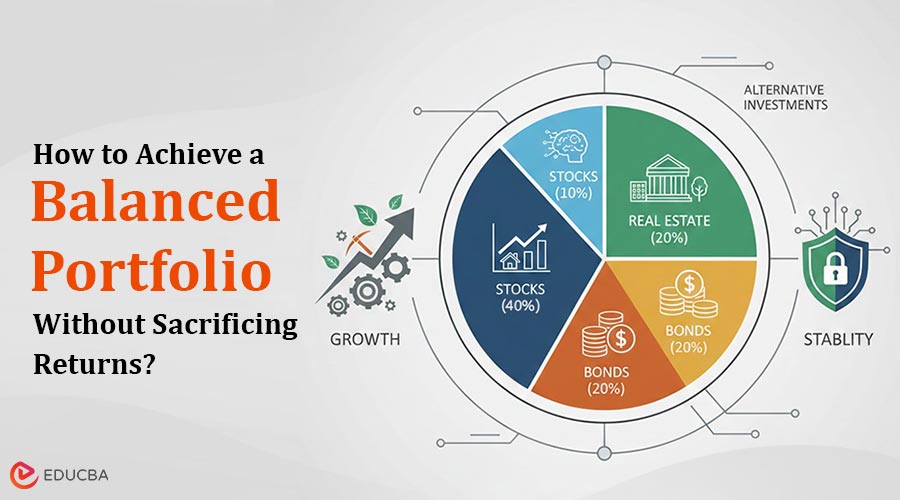
How to Build a Balanced Portfolio in 2026?
Building a balanced portfolio is one of the most important strategies for investors seeking long-term financial growth while minimizing risk. In 2026, with volatile markets, inflation concerns, and evolving global economic conditions, having a diversified investment approach has never been more critical. This guide will take you through the key steps, principles, and strategies to build a resilient, profitable, well-balanced portfolio.
Understanding a Balanced Portfolio
A balanced portfolio spreads investments across asset classes like stocks, bonds, and alternatives to lower risk and secure steady returns. Unlike portfolios focused entirely on high-risk stocks or ultra-safe bonds, a balanced approach spreads exposure so that gains in one sector can offset losses in another.
Key features include:
- Diversification: Spreading investments across multiple asset classes, industries, and geographic regions.
- Risk Management: Limiting exposure to highly volatile assets while still capturing growth opportunities.
- Long-Term Focus: Prioritizing consistent growth over short-term speculation.
Core Components of a Balanced Portfolio
Here are the key asset types to include when building a balanced portfolio:
1. Stocks (Equities)
Stocks offer growth potential and help your portfolio benefit from rising markets. For a balanced approach:
- Consider allocating 40–60% of your portfolio to equities.
- Include a mix of large-cap, mid-cap, and small-cap stocks.
- Diversify across sectors like technology, healthcare, and consumer goods.
2. Bonds (Fixed Income)
Bonds act as a stabilizer for a balanced portfolio, offering predictable income and reduced volatility:
- Allocate around 20–40% to bonds.
- Include government, corporate, and municipal bonds to balance risk and yield.
- Adjust bond duration based on interest rate expectations.
3. Alternative Investments
Alternative assets can enhance returns and reduce correlation with traditional markets:
- Options include real estate, commodities, REITs, and gold.
- Keep allocation moderate (5–15%) to avoid excessive risk.
4. Cash or Cash Equivalents
Maintaining liquidity ensures you can capitalize on opportunities and weather downturns:
- Around 5–10% in cash or cash equivalents, such as money market funds, is recommended.
Strategic Approaches to Building a Balanced Portfolio
Here are the key strategies to effectively structure and manage your portfolio:
1. Diversification Across Asset Classes
Diversification is the key principle of a balanced portfolio. Spreading your investments across multiple asset classes reduces risk and smooths returns. For example, if tech stocks underperform, bonds or commodities may offset the loss.
2. Geographic Diversification
Investing globally protects your portfolio from regional economic downturns. Consider:
- S. stocks for stability and growth
- Emerging markets for higher potential returns
- International bonds for additional diversification
3. Risk Tolerance Assessment
Before constructing a balanced portfolio, understand your risk tolerance:
- Conservative: More bonds, fewer equities
- Moderate: Balanced mix of stocks and bonds
- Aggressive: Higher equity allocation with some alternatives
4. Regular Rebalancing
Markets fluctuate, causing your asset allocation to drift from your original plan. Regularly rebalancing annually or semi-annually ensures your portfolio remains aligned with your goals.
Monitoring Market Trends in 2026
2026 is shaping up to be a dynamic year for investors:
- Inflation may influence bond yields.
- Tech and renewable energy sectors continue to grow.
- Global geopolitical events could impact international markets.
Even if your portfolio is diversified, staying informed is critical. For example, many investors monitor Dow Jones Futures to gauge market sentiment and anticipate short-term fluctuations without making reactive decisions.
Sample Balanced Portfolio Allocation
| Asset Class | Allocation | Purpose |
| Large-cap Stocks | 25% | Stability and steady growth |
| Mid/small-cap Stocks | 15% | High growth potential |
| Bonds | 30% | Income and risk management |
| Real Estate / REITs | 10% | Diversification and inflation hedge |
| Commodities (Gold) | 5% | Safe-haven and portfolio protection |
| Cash / Money Market | 15% | Liquidity and opportunity fund |
Tips for Maintaining a Balanced Portfolio
Here are practical steps to keep your investments on track and performing well:
- Stay disciplined: Avoid reacting emotionally to market swings.
- Invest consistently: Use strategies like dollar-cost averaging.
- Review periodically: Assess your portfolio’s performance and rebalance when necessary.
- Leverage tax-efficient accounts: Maximize retirement and investment accounts to reduce tax impact.
- Seek professional guidance: Financial advisors can tailor a balanced portfolio to your specific needs.
Final Thoughts
Building a balanced portfolio in 2026 requires a careful blend of equities, bonds, alternative investments, and cash. By diversifying across asset classes, geographies, and risk levels, investors can reduce volatility while pursuing long-term growth. Regular monitoring, disciplined investing, and strategic rebalancing are key to keeping your portfolio resilient, even in uncertain market conditions. A well-constructed, balanced portfolio is not about chasing short-term gains—it is about achieving financial stability, steady growth, and peace of mind.
Recommended Articles
We hope this guide helps you understand how to create a balanced portfolio. Check out these recommended articles for more insights and strategies to enhance your investment success.


