


Early Actions to Avoid Debt Collections
Most people think collections are the moment everything falls apart. The calls start. The letters show up. Credit scores drop. Stress spikes. But long before an account reaches that stage, there are several warning signs and decision points that can completely change the outcome. The real turning point occurs not when a collector calls, but when you first miss a payment and take no action. That early window, often within the first thirty to ninety days of delinquency, is where the most leverage exists. Understanding your options at this stage, including structured approaches like debt resolution, can help you avoid debt collections and maintain control over your finances. This article is not about reacting to collections. It is about preventing accounts from getting there in the first place. Early action is less dramatic, less talked about, and far more powerful.
The Timeline Most People Ignore
When you miss a payment, the account does not immediately go to collections. Creditors usually report a late payment after thirty days. At sixty and ninety days, the situation becomes more serious. Only after prolonged nonpayment will many lenders charge off the debt and potentially transfer or sell it to a collection agency. This timeline matters. During the early delinquency stage, you are still dealing directly with the original creditor. That relationship often provides more flexibility than people realize.
Many lenders have hardship programs, temporary payment reductions, or forbearance options that are easier to access before the account is severely delinquent. The Consumer Financial Protection Bureau explains how delinquency and default work and what consumers can do at each stage. Reviewing that information early can help you respond strategically instead of emotionally. Waiting does not usually improve your negotiating position. Acting early does.
The Psychology of Avoidance
One reason accounts drift toward collections is simple avoidance. When money is tight, it is uncomfortable to open statements or answer calls. Many people tell themselves they will catch up next month. Then the next month becomes three months. Avoidance feels protective in the short term. It reduces anxiety for a few days or weeks. But financially, it shrinks your options. Fees accumulate. Interest continues to grow. Credit damage deepens.
Early action requires facing the numbers sooner than you might want to. That can feel intimidating. Yet clarity often reduces stress. Once you know exactly how far behind you are and what the minimum required payment is to bring the account current, you can make informed choices rather than guess. The key is reframing the situation. A missed payment is not a moral failure. It is a financial event that needs a response.
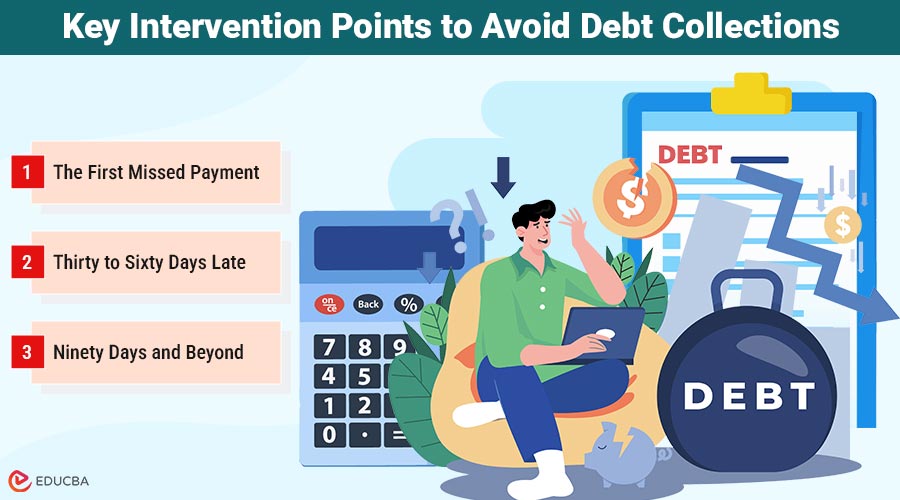
Key Intervention Points to Avoid Debt Collections
Below are three concise stages at which timely action can stop an escalation and help you avoid debt collection.
#1 Intervention: The First Missed Payment
The first missed payment is the most overlooked intervention point. If you know you cannot make a full payment, contact the creditor immediately. Many lenders would rather work with you than send the account further down the pipeline. At this stage, you may be able to request a payment extension, split the payment into smaller installments, or temporarily reduce the required amount. These adjustments are far more common before the account is labeled seriously delinquent.
Even if you cannot pay the full amount, partial payments can sometimes demonstrate good faith and slow the escalation process. The important thing is communication. Silence often triggers automated processes that move the account closer to being charged off.
#2 Intervention: Thirty to Sixty Days Late
Once an account is 30 days past due, it may already appear on your credit report. This is still a critical window. The impact on your credit is not yet as severe as it could become. During this stage, consider creating a focused catch-up plan. That might involve temporarily reducing discretionary spending, selling unused items, or reallocating funds from lower-priority categories. The goal is to stop the bleeding before late fees and penalty interest rates stack up further.
You also have the option of seeking guidance from reputable nonprofit credit counseling agencies. The National Foundation for Credit Counseling provides access to certified counselors and educational resources. Early counseling is often more effective than waiting until accounts are already in collections. The earlier you build a structured plan, the more control you retain.
#3 Intervention: Ninety Days and Beyond
At 90 days late, the risk of charge-off increases. This is where urgency becomes critical. If you have not already explored payment arrangements or alternative solutions, now is the time. You may need to evaluate whether your overall debt load is sustainable. If multiple accounts are delinquent, it may signal a broader cash flow problem rather than a one-time emergency. In that case, a comprehensive strategy is necessary.
Structured solutions can include negotiated settlements, consolidated payment plans, or other formal arrangements. The key is acting before the account is transferred or sold. Once a third-party collector is involved, flexibility can narrow, and communication may become more complicated.
Credit Impact and Future Borrowing
Many people focus only on stopping collection calls. But the earlier you intervene, the better you protect your long-term financial profile. Late payments and charge-offs can remain on your credit report for years. By acting before accounts reach the collections stage, you reduce the severity of negative reporting.
Even if some damage occurs, limiting the duration and depth of delinquency can speed recovery. Future borrowing, insurance premiums, and even certain employment screenings can be affected by credit history. Early action is not just about this month. It is about the next several years.
Building an Early Warning System
The most effective prevention strategy is building a personal early warning system. That means tracking due dates, setting payment reminders, and regularly reviewing your budget. It also means recognizing when income changes or unexpected expenses are pushing you toward risk.
If you know your emergency savings are thin, be proactive. Review which expenses can be adjusted quickly if needed. Identify which creditors have more flexible policies. Keep contact information accessible so you can reach out immediately if trouble arises. Preparation reduces panic. Panic often leads to inaction. Inaction is what allows accounts to drift into collections.
Taking Control Before It Escalates
Accounts rarely reach collections overnight. There are multiple decision points along the way. Each one offers an opportunity to redirect the outcome. Early action is less dramatic than fighting collections, but it is far more effective. It preserves options, protects credit, and reduces long-term costs.
Most importantly, it shifts you from a reactive position to a proactive one. If you are even one payment behind, the best move is to engage with the situation now. Make the call. Review your budget. Explore structured solutions if necessary. The sooner you act, the more choices you have.
Final Thoughts
Collections are not the beginning of financial trouble they are often the result of missed opportunities to act earlier. By recognizing warning signs and responding quickly, you can avoid debt collections, maintain control over your finances, and set yourself up for long-term stability. Early action is not just helpful it is powerful.
Recommended Articles
We hope this guide helps you take early steps to avoid debt collections. Explore these recommended articles for more practical tips and strategies to stay financially secure.


