


Introduction
Ever feel like online shopping platforms know exactly what you want before you do? That is no accident. AI-Driven Personalization in E-commerce is evolving rapidly, and personalized marketing powered by artificial intelligence is leading the way. But for many business owners, figuring out how to adopt this tech can feel overwhelming.
Research shows that 91% of shoppers prefer to buy from brands that deliver personalized experiences. AI-Driven Personalization in E-commerce makes this possible by analyzing customer behavior and predicting their needs. This blog will explain how strategies like recommendation systems and behavioral targeting work in e-commerce. Stay with us, because understanding this might change your approach forever!
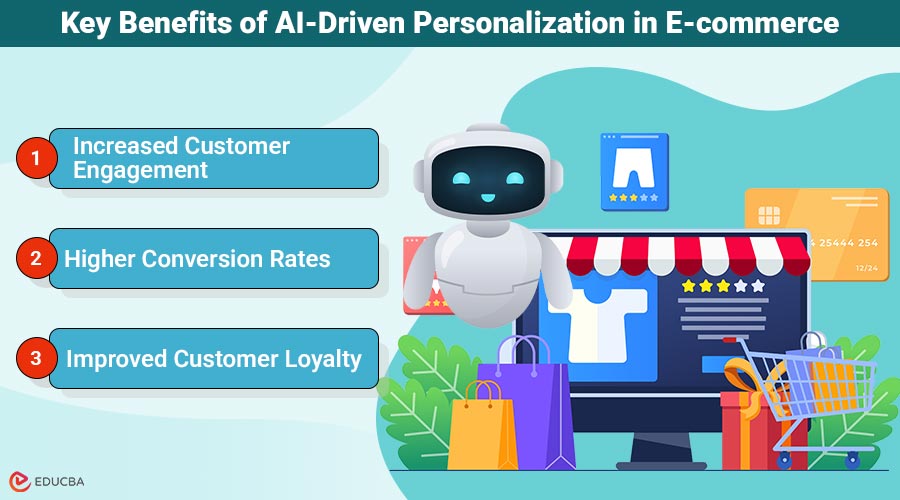
Key Benefits of AI-Driven Personalization in E-commerce
AI-Driven Personalization in E-commerce tailors shopping journeys to each customer, creating a sense of value and recognition. It enables businesses to interpret and anticipate customer preferences accurately.
1. Increased Customer Engagement
Personalized advertising grabs a shopper’s attention quickly. AI-driven marketing learns from consumer behavior and customizes content for each user. It makes shoppers feel noticed, which encourages more clicks or purchases.
Recommendation systems suggest products based on past choices, increasing interest in the shopping experience. Predictive modeling tools analyze purchase trends to offer timely promotions that customers can not resist. This builds excitement and sets the stage for higher conversion rates.
2. Higher Conversion Rates
Stronger customer connections lead directly to more purchases. AI-Driven Personalization in E-commerce refines product offerings, making buyers feel personally attended to. When customers see relevant items, they are far more likely to click “Buy Now.”
Machine learning analyzes patterns that forecast shopper behavior with accuracy. By delivering precise recommendations and customized promotions, businesses guide users toward quicker decisions. This approach reduces abandoned carts and significantly enhances sales efficiency.
3. Improved Customer Loyalty
AI-driven personalization helps businesses understand consumer behavior better. Machine learning analyzes purchase history, browsing patterns, and preferences. This allows e-commerce stores to deliver experiences that customers truly desire. Predictive modeling ensures consumers see relevant products that meet their needs. Businesses offering such customized interactions build deeper connections with their audience.
Data analytics strengthens trust by consistently addressing individual preferences and needs. Adaptive content delivery creates a feeling of being acknowledged and appreciated by the brand. Some businesses partner with local providers, such as Arlington IT firms, to manage the technical side of data integration and ensure personalization strategies run smoothly.
Core AI Personalization Strategies in E-commerce
AI-Driven Personalization in E-commerce Shapes Personalized Shopping Experiences in Meaningful Ways. These strategies tap into patterns, predict needs, and make every interaction sharper.
1. Personalized Product Recommendations
AI examines consumer behavior and anticipates preferences to recommend suitable products. Machine learning processes data such as search history, purchase tendencies, or browsing activities. These findings allow businesses to offer customers tailored choices that they are more inclined to purchase.
Recommendation systems save shoppers time while enhancing their experience. Displaying the appropriate product at the right moment improves conversion rates. Retailers applying predictive analysis frequently experience increased sales and customer satisfaction because of these focused recommendations.
2. Dynamic Pricing Models
Pricing changes dynamically in response to factors such as demand, inventory, and competitor pricing. E-commerce businesses use machine learning to analyze data in real-time. Predictive modeling helps forecast customer behavior and adjust prices accordingly.
This type of continuous data analysis often relies on strong infrastructure, which is why many businesses collaborate with Atmosera’s DevOps experts to ensure their systems scale effectively while supporting advanced AI models. For example, during peak shopping seasons, companies may increase prices for high-demand items or drop rates for slow-moving stock.
This strategy creates flexibility that benefits both sellers and buyers. Companies can increase revenue while offering competitive deals. Advanced algorithms ensure accurate price adjustments without human error or guesswork. Retailers use data analytics to tailor discounts for different customer segments. This approach boosts sales while enhancing the shopping experience by better matching customer needs and preferences.
3. AI-Powered Chatbots for Customer Support
AI-powered chatbots respond to customers instantly. They address common questions, assist with order tracking, and even process returns around the clock. These virtual assistants reduce wait times and enhance customer interactions.
Chatbots examine customer behavior using data analysis. This enables them to offer relevant product suggestions or effectively resolve specific concerns. Businesses can lower support expenses while increasing conversion rates by adopting this approach. Customized product recommendations make AI-Driven Personalization in E-commerce more thorough throughout the shopping experience.
Examples of AI Personalization in E-commerce
Major brands use AI to anticipate your needs before you realize them—discover their methods.
1. Amazon’s Product Recommendations
Amazon uses machine learning to predict what customers want. Their recommendation system analyzes shopping habits, browsing history, and purchase patterns to suggest relevant products. This targeted advertising approach keeps shoppers engaged and encourages them to explore additional options.
By showing personalized suggestions based on user behavior, Amazon increases conversion rates. Small businesses can replicate this strategy by utilizing data analytics tools to create customized recommendations for their customers through AI-driven personalization in E-commerce.
2. Netflix’s Content Suggestions
Netflix masters personalization through advanced recommendation systems. Using machine learning and predictive analytics, it studies viewing habits like binge patterns, genre preferences, and watch times. Its algorithm processes billions of data points daily to suggest shows that align with individual tastes. This content adaptation keeps users engaged while reducing decision fatigue.
Its model proves highly effective in improving customer retention for subscription-based platforms. Brands can adopt this method by closely examining customer behavior to offer well-timed and relevant suggestions across different products or services. Accurate targeting enhances the user experience and can significantly increase conversion rates in AI-driven personalization settings, including e-commerce.
3. Sephora’s AI-Driven Beauty Tools
Sephora uses AI to improve the shopping experience for its customers. Their Virtual Artist tool allows users to try on makeup through augmented reality. Customers can see how different products look without visiting a store.
The app also offers personalized product recommendations using machine learning. It analyzes customer preferences, skin type, and past purchases to make precise suggestions. This approach increases satisfaction and encourages repeated sales through AI-Driven Personalization in E-commerce.
Challenges and Ethical Considerations
AI in e-commerce raises important questions about fairness and responsibility. Mishandling data or relying on flawed algorithms can damage trust and reputation.
1. Data Privacy and Security
Consumers entrust brands with sensitive data, including purchase history and personal preferences. Mishandling that data can harm trust and lead to financial penalties. Businesses must adopt strong encryption methods, regularly update security protocols, and restrict access to customer information.
Hackers target e-commerce platforms because of the abundance of valuable consumer data they store. To guard against breaches, companies should implement multi-factor authentication and conduct frequent risk assessments. Clear policies about how businesses collect and use information help foster customer confidence while staying compliant with regulations like GDPR or CCPA.
2. Algorithmic Bias
AI personalization depends on algorithms shaping customer experiences based on data. However, these algorithms can unintentionally favor certain groups or overlook others due to the presence of skewed training data. For example, a predictive model suggesting products might consistently recommend pricier items to specific demographics while ignoring broader preferences.
Bias not only affects fairness but also influences business outcomes. Over-targeting one group leads to lost sales opportunities with underrepresented audiences. A diverse dataset and regular auditing help address this issue. Businesses that prioritize impartial systems create stronger user experiences and build trust among consumers through AI-driven personalization in E-commerce.
Final Thoughts
AI-Driven Personalization in E-commerce is transforming how brands interact with shoppers. By leveraging tools like recommendation engines, dynamic pricing, and chatbots, businesses can deliver tailored experiences that drive engagement, boost conversions, and foster long-term loyalty. Customers now expect personalization, making it an essential strategy rather than just a nice-to-have.
At the same time, success depends on responsible implementation. Protecting customer data, minimizing algorithmic bias, and maintaining transparency are crucial for building trust. Businesses that strike this balance will lead the way in creating seamless, customer-focused shopping journeys and shaping the future of online retail.
Recommended Articles
We hope this guide on AI-Driven Personalization in E-commerce was helpful. Explore related articles on customer experience strategies, predictive analytics in retail, and the role of chatbots in online shopping to gain deeper insights into building stronger connections with your audience.


