


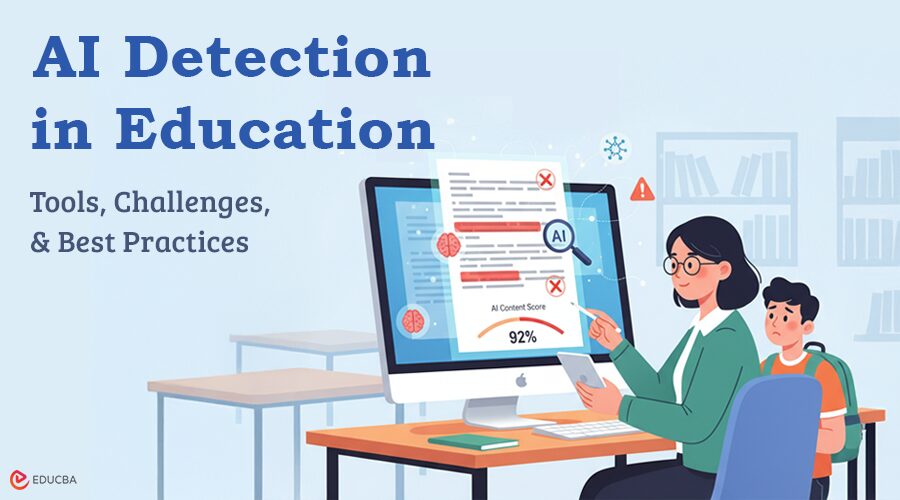
Introduction to AI Detection in Education
Artificial Intelligence (AI) detection in education is increasingly pivotal, helping prevent academic dishonesty and fostering a culture of integrity and reliability. The technology, which includes various tools and software, has reshaped how educational institutions manage and detect AI-generated content amid growing concerns about its use in cheating or plagiarism. AI detection in education serves a critical function by identifying work that may not have been created by human students but by AI systems. This detection is vital for maintaining academic standards and the credibility of educational qualifications.
Understanding AI Detection in Education
AI detection in educational contexts refers to the technology used to determine whether content, such as essays or homework assignments, has been generated by an AI program rather than authentically crafted by a student. It uses algorithms to check text for signs of AI writing and to distinguish it from human writing, which is more creative and varied. Understanding how AI detection in education works is the first step in appreciating its importance and integration into the educational fabric.
Importance of AI Detection in Education in Modern Learning
In modern education, digital tools are everywhere, and students widely use online learning platforms, making AI detection indispensable.
Its significance is twofold:
- Ensuring academic honesty is upheld, thereby fortifying the credibility of educational institutions.
- Encouraging students to genuinely adhere to learning objectives and acquire skills and knowledge authentically, rather than relying on AI-generated shortcuts.
A global educational environment increasingly relies on digital and remote learning modalities, underscoring the importance of AI detection in education.
Types of AI Detection in Education Tools
Here are the main types of AI detection in education tools used to ensure academic integrity and authentic student work:
1. Text-Matching Software
Text-matching software is among the most common AI detection tools in education. This software scans student submissions and compares them against a database of known sources, including internet content and previously submitted student works. It helps identify similarities that may indicate plagiarism or AI-generated content.
2. Behavior Analysis Tools
Behavior analysis tools focus on how a document is created rather than just the content. They track writing patterns, typing speed, and time intervals, which differ from typical human behavior, helping educators detect AI-generated work. These tools enhance AI detection in education by maintaining a human touch in student submissions.
3. Plagiarism Checkers
Modern plagiarism checkers now incorporate AI detection into their educational capabilities. Beyond detecting copied content, they identify patterns suggesting that text may have been generated by AI, ensuring that student work is original and authentic.
Challenges and Limitations of AI Detection in Education
Here are the key challenges and limitations of AI detection in education that schools and educators need to consider:
1. Accuracy Issues
While AI detection tools are incredibly useful, they are not infallible and can suffer from accuracy issues. AI detection tools sometimes flag genuine student work as AI-generated, causing unnecessary stress and confusion. Meanwhile, false negatives might allow some AI-assisted cheating to slip through. Enhancing the accuracy of these tools is a continuous goal for developers, but current imperfections must be recognized and managed.
2. Ethical Concerns
The use of AI detection tools raises several ethical concerns. Privacy issues arise from the monitoring aspects of behavior analysis tools, raising questions about how much surveillance is acceptable in the pursuit of honesty. There is also the risk of bias in AI algorithms, which could flag the work of some students more frequently than others based on underlying prejudices in the data used to train AI systems.
3. Dependence on Technology
An over-reliance on technology can be detrimental, potentially diminishing human judgment in educational contexts. Educators may come to rely too heavily on AI detection tools, overlooking the importance of fostering students’ intrinsic motivation to engage honestly with their studies. Balancing technology use with traditional educational values and methods is crucial.
AI Humanizers and Their Role in Education
Here is a look at AI humanizers and their impact on education, and how they interact with AI detection tools:
Definition and Purpose of AI Humanizers
AI Humanizers are tools designed to make AI-generated content more human-like, making it tougher for detection systems to recognize its non-human origins. Their emergence presents a paradox in the use of AI in education, potentially complicating the work of those who use AI detection tools. Understanding AI humanizers is essential for educators to counter their misuse effectively.
Examples of AI Humanizers in Action
Students might use AI humanizers to adjust AI-generated essays to evade detection, highlighting the ongoing challenges in maintaining academic integrity alongside AI detection in education initiatives.
Guidelines for Teachers on Using AI Detection in Education
Here are essential guidelines for teachers to effectively use AI detection in education while promoting academic integrity:
Best Practices for Effective Implementation
To implement AI detection in education effectively, educators should receive thorough training on the tools’ capabilities and limitations, stay updated on evolving AI writing patterns, and cultivate a culture of honesty and effort in learning.
Balancing AI Tools and Traditional Teaching Methods
To balance the use of AI detection tools with traditional teaching methods, educators should integrate these tools as supplements rather than replacements. Have students actively participate in peer reviews, clearly communicate the consequences of dishonesty, and create an environment that values genuine learning above all. Teaching critical thinking and creative problem-solving can also help students feel less tempted to rely on AI-generated content.
Future of AI Detection in Education
Here is what the future holds for AI detection in education and how schools can prepare for emerging technologies:
Trends and Evolutions in AI Technology
As AI technology grows, AI detection tools and methods will also improve. Future trends include AI systems that can better mimic human behavior and thought processes, necessitating even more sophisticated detection tools. The development of AI that can assist educators in real-time assessment and personalized learning is another potential trend, enriching educational experiences while complicating the detection landscape.
Preparing Educational Institutions for Future Innovations
To prepare for future advancements in AI and integration within educational systems, institutions must foster adaptability and continue investing in both technology and teacher training. Developing comprehensive policies on AI use, promoting ethical standards, and ensuring transparent dialogue among educators, students, and technologists will orient educational settings toward the responsible and innovative use of AI.
Recommended Articles
We hope this article on AI detection in education helps you understand how to maintain academic integrity and prevent plagiarism. Check out our related articles to explore more tips on educational technology, student engagement, and fostering genuine learning.


