


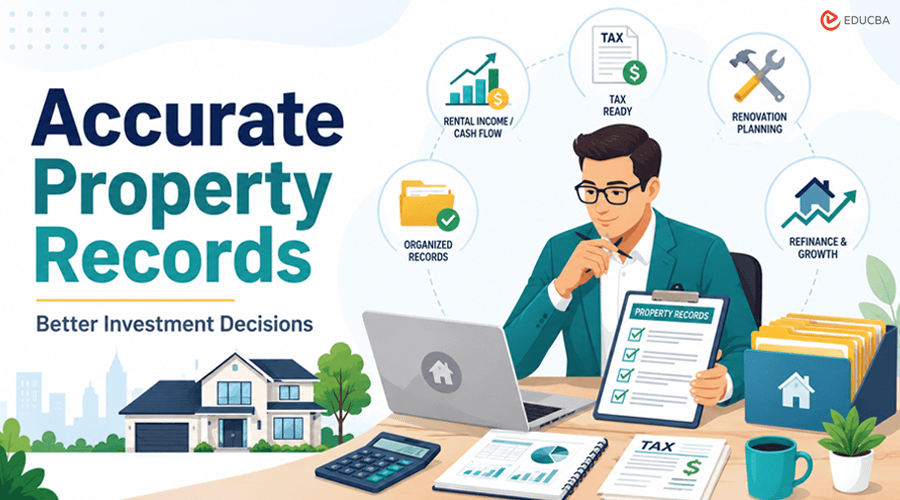
Property ownership can look successful from the outside while the numbers tell a different story. Rent may be coming in, expenses may seem manageable, and a property may even be rising in value. However, without accurate property records, it is hard to know how well the investment is truly performing. Working with a specialist real estate CPA can help owners bring income, expenses, financing, improvements, and cash flow into one organized picture. Once those details are accurate and easy to review, decisions about holding, refinancing, renovating, or selling can be based on evidence rather than assumptions.
Accurate Property Records Show What a Property is Really Earning
Rental income is only one side of the equation. Mortgage costs, repairs, insurance, property taxes, management fees, utilities, maintenance, and vacancies all affect the real return. When these figures are scattered across different accounts or recorded inconsistently, an owner may overestimate a property’s true profitability.
Accurate property records bring those pieces together. Regular reports can show net operating results, recurring expenses, and unusual cost increases. That makes it easier to compare one period with another and spot changes before they become expensive. A property may seem profitable at first, but expenses can tell a different story. Another property may earn more than expected.
Cash Flow Becomes Easier to Understand
A property can be profitable on paper while still pressuring available cash. Large repairs, seasonal expenses, tax bills, loan payments, and periods without tenants can all create uneven cash movement.
Good records help owners see when money comes in and where it goes. Accurate property records make cash flow planning far more practical. Instead of waiting for a major expense to create stress, owners can build reserves, adjust spending, or review financing options earlier. Clear cash flow information can also help determine whether a property supports the rest of the portfolio or relies on other assets to cover its shortfalls.
Renovation Decisions Need More Than a Good Idea
Renovating a property can increase appeal, improve rental income, or support long-term value, but not every upgrade produces the same financial return. A new kitchen may sound attractive, but the cost must make sense relative to expected rent, tenant demand, and the owner’s broader investment plan.
Accurate property records provide a useful starting point. They show how much the property already costs to operate and how much room there may be for additional spending. Past maintenance history can also show whether money is better spent on essential systems than cosmetic improvements. When the numbers are clear, renovation decisions become more disciplined and easier to justify.
Refinancing is Easier to Evaluate With Reliable Numbers
Refinancing can lower borrowing costs, release equity, or change monthly payments, but owners should measure the benefits carefully. Owners should consider fees, interest rates, loan terms, and future cash needs together.
Detailed property records make that comparison more meaningful. Owners can see how a new loan may affect monthly cash flow and whether the expected savings justify the transaction. Accurate property records can also make discussions with lenders more organized because income and expense information is already available. Rather than approaching refinancing as a vague opportunity, the owner can evaluate it as a financial decision with measurable outcomes.
Better Records Help Compare Properties Fairly
Portfolio owners often have properties that look very different on paper. One may generate higher rent, another may require less maintenance, and a third may have stronger long-term appreciation potential. Comparing them solely by gross income can lead to misleading conclusions.
Consistent accounting lets you review each property using the same financial framework. Accurate property records let you compare operating costs, debt service, cash flow, repairs, and other relevant figures side by side. This helps identify which assets are performing efficiently and which may need attention. It can also reveal whether a property that feels demanding is actually worthwhile, or whether a seemingly easy asset is producing weaker-than-expected returns.
Accurate Property Records Support Better Tax Planning
Real estate accounting and tax planning are closely connected. Depreciation, deductible expenses, improvements, financing costs, and capital transactions all depend on accurate documentation. Missing records can make tax preparation harder and may limit your ability to support certain positions.
Keeping accurate property records throughout the year makes tax work more straightforward. It also gives owners more time to understand how current decisions may affect future reporting. When a major repair, renovation, purchase, or sale is being considered, having reliable historical information gives the accountant a stronger basis for discussing potential tax consequences and planning options.
Selling Becomes a More Informed Decision
Deciding to sell a property can be emotional, especially when an owner has held it for years. Market conditions may be attractive, but the decision should also consider the asset’s actual performance, future costs, tax consequences, and potential alternatives.
Accurate records help put those factors into perspective. An owner can review past cash flow, maintenance trends, appreciation, and holding costs. This makes it easier to judge whether keeping the asset still fits the investment strategy. A sale then becomes part of a deliberate plan rather than a reaction to a difficult month or an appealing offer.
Small Errors Can Create Bigger Problems
Minor bookkeeping mistakes may seem harmless, but over time they can distort the financial picture. An expense recorded under the wrong property, a duplicated payment, missed income, or an improvement classified incorrectly can affect reports and future decisions.
Regular review helps catch these problems before they accumulate. Clean records also reduce the time spent reconstructing old transactions. For owners managing several properties, this discipline matters even more because one small error can repeat across multiple accounts or reporting periods.
Reliable Numbers Give Owners More Confidence
Good investment decisions rarely come from instinct alone. Property markets change, expenses rise, financing terms shift, and individual buildings develop new needs over time. Accurate property records give owners a stable source of information when they need to make decisions.
Accurate income, expense, cash flow, and property performance data make it easier to see what is working and what deserves attention. Owners can approach renovations, refinancing, future purchases, or sales with a stronger sense of direction. Professional accounting support adds another layer of value by helping turn raw numbers into useful information. The result is not simply neater bookkeeping; it is a clearer view of the investment itself, which can make every major property decision more thoughtful, measured, and financially grounded.
Recommended Articles
We hope this guide helps you understand how accurate property records can support smarter real estate investment decisions, from cash flow and taxes to refinancing and selling. Explore these recommended articles for more insights on real estate accounting, property investments, financial planning, and investment strategies.


