


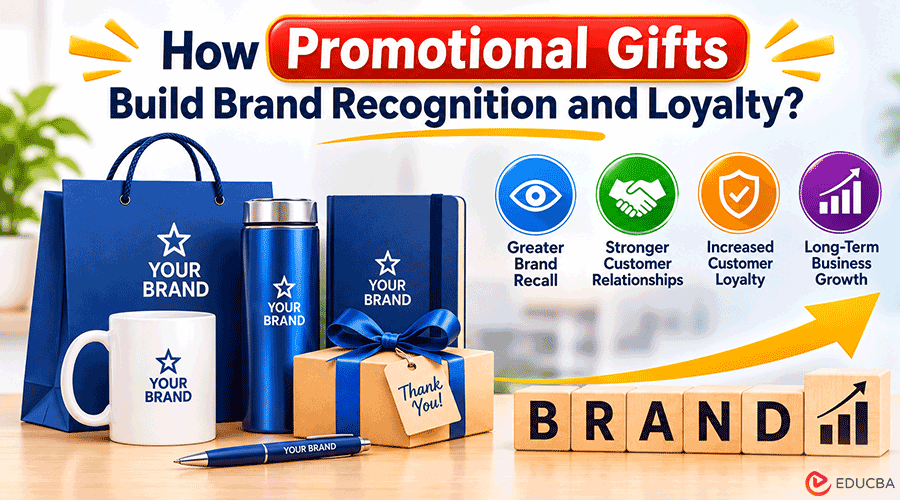
In an increasingly competitive marketplace, businesses constantly look for ways to capture attention, build brand awareness, and establish meaningful customer relationships. While digital advertising, social media campaigns, email marketing, and search engine marketing are important tools, branded merchandise offers an effective, hands-on way to engage target audiences. Promotional gifts are more than just items carrying a company logo.
When selected thoughtfully, they can create positive brand experiences, encourage customer engagement, and help businesses remain memorable long after an event, meeting, or marketing campaign has ended. Products such as logo chocolate gifts for business, customized merchandise, and branded gift boxes can help businesses create memorable experiences while reinforcing their brand identity.
From branded merchandise at trade shows to personalized gifts for clients and employees, promotional gifting has become an important part of marketing and relationship-building strategies. Understanding how promotional gifts influence brand recall and how businesses can use them effectively can help marketers create more impactful campaigns.
What Are Promotional Gifts in Marketing?
Promotional gifts are branded or customized products that businesses distribute to customers, prospects, employees, business partners, or event attendees as part of their marketing or relationship-building efforts.
These products may include stationery, apparel, drinkware, technology accessories, food items, gift boxes, and other merchandise. Businesses often incorporate their logos, brand colors, slogans, or messages into these products to increase brand visibility.
Promotional gifting can serve several marketing objectives, including:
- Increasing brand awareness among target audiences.
- Supporting product launches and marketing campaigns.
- Strengthening relationships with existing customers.
- Creating memorable experiences at trade shows and exhibitions.
- Recognizing employees and business partners.
- Encouraging customer loyalty and engagement.
Unlike advertisements that may disappear after a few seconds, a physical promotional product can remain with its recipient for days, months, or even years, depending on its usefulness and quality.
How Promotional Gifts Help Build Brand Recall?
Brand recall refers to a consumer’s ability to recognize or remember a brand when they encounter a product, service, or category. Businesses invest in brand recall because familiarity can influence purchasing decisions, customer preferences, and the likelihood of repeat engagement. Promotional gifts can contribute to brand recall in several ways.
1. Repeated Brand Exposure
When recipients use a branded product regularly, they repeatedly see the company’s name, logo, or message. For example, a branded notebook used in meetings or a coffee mug used every morning can provide recurring exposure to the brand. Repeated exposure can help people become more familiar with a brand. While exposure alone does not guarantee a purchase, it can reinforce brand recognition over time.
2. Creating Positive Brand Associations with Promotional Gifts
Promotional products can create associations between a brand and the experience of receiving a thoughtful gift. A well-designed, useful, or enjoyable product may leave a more positive impression than an ordinary advertisement. The gift’s quality, relevance, and presentation matter. An unsuitable gift may fail to attract attention, while a thoughtfully chosen item that matches the recipient’s preferences can foster a stronger, more positive connection.
3. Encouraging Conversations
Some promotional gifts naturally encourage conversations. Creative merchandise, personalized items, or distinctive products can attract attention and generate curiosity. At trade shows, conferences, networking events, and business meetings, promotional products can allow recipients to discuss the company, its offerings, or the event itself. This can extend brand visibility beyond the original recipient.
The Importance of Personalization in Promotional Marketing
Personalization has become an important part of modern marketing because customers increasingly expect brands to deliver relevant and meaningful experiences. Promotional products can be personalized in several ways, including incorporating company logos, recipient names, customized messages, brand colors, event details, or campaign-specific designs. For example, businesses attending a trade exhibition can distribute customized merchandise featuring their logo and a QR code linking to a product catalog, website, or landing page.
Similarly, companies can create personalized gifts for important customers to acknowledge a business relationship or celebrate a milestone. Personalization helps promotional products feel connected to the brand’s identity and marketing objectives rather than appearing as generic merchandise. Businesses can also use personalization to differentiate their promotional campaigns.
Instead of distributing identical products at every event, marketers can select merchandise that reflects the audience, occasion, or campaign theme. The objective should be to make the gift relevant to the recipient while maintaining consistency with the company’s brand positioning.
Choosing the Right Promotional Gifts
Selecting the right promotional product is one of the most important decisions in a gifting campaign. A product’s effectiveness depends on how well it aligns with the audience, occasion, marketing objective, and budget.
1. Understand the Target Audience
Before selecting a promotional gift, businesses should understand who will receive it. A product suitable for corporate executives may not suit students, consumers, trade show visitors, or employees. Marketers should consider the audience’s interests, professional environment, preferences, and expectations.
2. Prioritize Quality and Presentation
The quality of a promotional product reflects how the brand distributing it is perceived. Businesses should avoid selecting products solely because they are inexpensive. A gift that looks attractive, feels well-made, and is presented professionally may create a stronger impression than a large quantity of low-quality merchandise. Packaging can also play an important role. Thoughtful packaging can make an ordinary promotional product feel more premium and create a better experience for the recipient.
3. Choose Relevant Products
A promotional product should ideally connect to the brand, the event, or the recipient. For instance, a company participating in a technology conference might distribute useful technology-related accessories, while a business organizing a customer appreciation event may choose a gift designed to feel more personal. Relevance helps ensure that the product is more than just another item handed out during a marketing campaign.
4. Consider practicality and Memorability
Useful promotional products may provide recurring brand exposure, while distinctive gifts may create memorable experiences. Businesses should balance these considerations. Not every promotional product needs to be practical in the traditional sense. A creative gift that creates a positive experience can also build brand recognition and engagement.
Promotional Gifts for Trade Shows, Exhibitions, and Events
Trade shows, business conferences, exhibitions, product launches, and networking events provide opportunities for companies to interact directly with prospective customers and business partners. Promotional gifts can complement these interactions by making a brand’s presence more memorable. However, businesses should consider how promotional merchandise fits into the overall event marketing strategy.
Some effective approaches include:
- Booth Giveaways: Distributing branded products to visitors who interact with the booth or explore a company’s offerings.
- Lead-Generation Campaigns: Offering promotional gifts in exchange for newsletter subscriptions, product demonstrations, or other meaningful engagement.
- Product Launches: Creating customized merchandise that reflects the new product, campaign, or launch theme.
- Networking Gifts: Providing small, thoughtfully selected gifts to prospective clients, partners, or industry contacts.
- Event Follow-Ups: Sending customized gifts to selected prospects after an event to keep the conversation going.
The effectiveness of promotional gifting at events often depends on how well it is integrated into the visitor experience. Rather than distributing products indiscriminately, businesses can use gifting to encourage meaningful interactions and create opportunities for follow-up communication.
For example, a company can incorporate a QR code into its promotional gift packaging that directs recipients to a landing page, product information, or an event-specific offer. This creates a measurable connection between offline engagement and digital marketing activities.
Corporate Promotional Gifts as a Relationship-Building Strategy
Businesses widely use corporate gifting to recognize customers, employees, suppliers, business partners, and other stakeholders. It can help companies communicate appreciation, strengthen professional relationships, and create opportunities for future engagement. Client appreciation gifts, festive gifts, onboarding gifts, employee recognition packages, and milestone gifts show how companies incorporate gifting into their business relationships.
For corporate gifting to be effective, businesses should consider the timing, recipient, presentation, and message accompanying the gift. A gift sent during a festive season may communicate appreciation, while a gift after a successful project may recognize a professional achievement. Similarly, employee gifts can celebrate milestones, achievements, anniversaries, and organizational events.
Businesses can explore creative options, including logo chocolate gifts, customized merchandise, branded gift boxes, and personalized products that incorporate company identity into the gifting experience. The choice of gift should reflect the relationship and the occasion. Thoughtful gifting can make business interactions feel more personal without replacing consistent communication, service quality, and trust.
How Businesses Can Measure the Effectiveness of Promotional Gifts?
Although promotional gifting can support brand awareness and customer engagement, businesses should assess whether their campaigns contribute to measurable marketing objectives. The measurement approach depends on the campaign’s purpose.
1. Track QR Code Engagement
QR codes printed on gift packaging or promotional merchandise can direct recipients to specific landing pages, websites, forms, or product catalogs. Businesses can track scans, website visits, registrations, and other actions to understand how recipients engage.
2. Measure Lead Generation
If promotional gifts are distributed as part of a lead-generation campaign, marketers can monitor the number of leads generated, lead quality, and the conversion rate from leads to customers.
3. Collect Recipient Feedback
Feedback from customers, event attendees, or employees can help businesses understand whether the gifts were appreciated, useful, memorable, or relevant. Surveys, follow-up emails, and informal conversations can provide valuable insights.
4. Evaluate Campaign Costs
Businesses should consider the campaign’s overall cost, including product procurement, customization, packaging, shipping, and distribution. Evaluate the cost against the campaign’s objectives, such as lead generation, customer retention, event engagement, or brand visibility.
5. Compare Performance Across Campaigns
Businesses can compare promotional gifting initiatives across different events, audiences, product types, and budgets. This helps marketers identify which products and approaches drive the strongest engagement and justify future investment.
Final Thoughts
Promotional gifts can be an effective part of a business’s marketing strategy when selected thoughtfully and aligned with clear objectives. They let businesses create tangible brand experiences, build brand recognition, boost customer interaction, and cultivate more meaningful relationships with customers, staff members, and professional partners. Promotional gifting success depends on more than the product itself.
Audience relevance, personalization, quality, presentation, timing, and integration with broader marketing activities all contribute to the experience. Businesses should approach promotional gifting as an extension of their brand communication rather than simply a distribution activity. Selecting gifts that align with a company’s values and offer recipients a positive experience can help businesses create impactful marketing campaigns and foster stronger professional connections.
Recommended Articles
We hope this comprehensive guide to promotional gifts helps you strengthen brand recall, build lasting customer relationships, and create memorable brand experiences. Check out these recommended articles for more insights and strategies to enhance your marketing and corporate gifting efforts.


