

Updated October 30, 2026
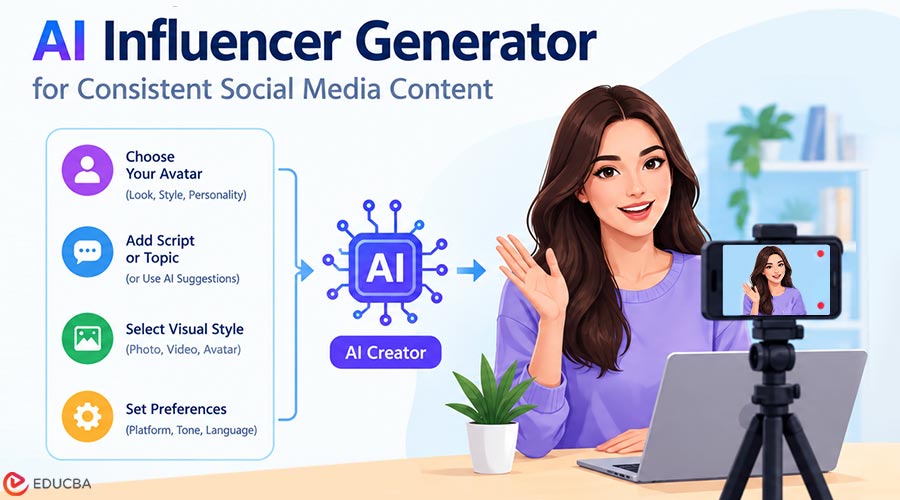
Building a steady social media presence requires ongoing effort, creative thinking, and thoughtful planning. Brands and content creators need to publish engaging visuals, develop recognizable personalities, and adapt their content to different platforms. For small teams with limited resources, managing these responsibilities can become challenging.
AI-powered creative tools offer a practical way to simplify parts of this process. An AI influencer generator can help creators develop a virtual personality for social media campaigns, experiment with visual styles, and build a recognizable digital identity. These tools simplify character development and visual content production. When combined with a clear content strategy, they can make planning and producing social media content more manageable.
What Is an AI Influencer?
An AI influencer is a digitally created personality designed to communicate with an audience through social media content. It may have a distinctive appearance, personality, tone of voice, interests, and visual identity.
Unlike traditional influencers, virtual personalities are created with digital tools rather than being real people. Businesses can design them around a particular niche, such as fashion, technology, fitness, travel, gaming, or lifestyle content.
A well-developed virtual influencer should have a clear purpose. Instead of publishing unrelated images, creators can build a consistent identity that audiences recognize across posts, stories, short-form videos, and promotional campaigns.
How an AI Influencer Generator Simplifies Social Media Content Creation
Developing a virtual personality involves more than generating a single attractive image. Creators need to establish visual consistency, plan content themes, and determine how the character will communicate with its audience. An AI influencer generator can simplify the initial creative process by offering different character design options.
An AI influencer generator can support the visual development stage by helping creators explore different appearances, outfits, backgrounds, and creative directions. These outputs can serve as starting points for a broader content production workflow.
For example, a fictional travel influencer could appear in destination-inspired visuals, packing guides, travel tips, and seasonal campaign content. A technology-focused personality might be featured in educational posts, product explainers, and discussions about emerging digital trends.
The goal is to produce cohesive content with a consistent visual identity, rather than disconnected AI-generated visuals.
Steps to Build a Recognizable Virtual Influencer
1. Choose a Specific Niche
Start by identifying the audience the virtual influencer will serve. A focused niche makes it easier to develop relevant content and establish a recognizable personality.
Possible niches include:
- Fashion and personal styling
- Travel and destination inspiration
- Technology and digital creativity
- Fitness and everyday wellness
- Gaming and entertainment
- Beauty and lifestyle
The niche should align with the interests of the intended audience and the purpose of the account.
2. Develop a Distinct Personality
Give the virtual influencer a name, background, communication style, and set of interests. Decide whether the personality should sound educational, humorous, professional, adventurous, or conversational.
These details help establish a consistent voice across captions and other social media content. A clear personality also makes it easier to decide which topics fit the account and which do not.
3. Establish a Consistent Visual Identity With an AI Influencer Generator
Visual consistency is essential when developing a digital character. An AI influencer generator can help creators explore different appearances while maintaining a recognizable character design. Consider defining recurring characteristics such as hairstyle, clothing preferences, color palette, photography style, and typical settings.
Use reference images and consistent prompts where appropriate. Review generated outputs carefully, because AI tools may change facial features, clothing details, or proportions between generations.
A recognizable visual identity helps audiences connect different posts with the same virtual personality.
4. Create Content Pillars
Content pillars are recurring themes that guide what an account publishes. They prevent a social media feed from becoming repetitive and make content planning easier.
For example, a virtual fashion influencer could use four content pillars:
- Outfit inspiration and styling ideas
- Seasonal fashion trends
- Behind-the-scenes creative concepts
- Sponsored or product-focused content
A balanced content plan can combine educational posts, entertaining visuals, audience questions, and campaign-related material.
5. Adapt Content to Each Platform
Different social media platforms support different content formats and audience behaviors. A detailed visual concept might work well as an image carousel, while a short video may suit a quick tutorial or storytelling sequence better.
Rather than publishing identical content everywhere, adapt the format, caption, and presentation to each platform. Keep the underlying personality consistent while adjusting how you deliver the message.
6. Review Performance and Improve
Track meaningful performance indicators, including engagement rate, saves, shares, profile visits, audience growth, and conversions when relevant.
Use these results to identify which topics and formats resonate with the intended audience. If educational posts generate more saves than promotional visuals, for example, consider including more practical tips in the content calendar.
Regular reviews help creators improve their strategy without relying entirely on assumptions.
How Virtual Influencers Can Support Different Businesses
Virtual influencers can serve different purposes depending on a business’s goals and target audience.
- Fashion brands can use digital personalities to explore styling concepts, showcase outfit combinations, and develop campaign visuals.
- Technology companies can build educational characters that introduce software features, explain technical topics, or support product storytelling.
- Travel businesses can create destination-inspired content, itinerary ideas, and seasonal travel campaigns using fictional digital personalities.
- Small businesses can experiment with an AI influencer generator to create a consistent visual spokesperson for social media posts. This approach allows them to develop campaign visuals and promotional content without organizing a traditional photoshoot for every concept.
In each case, the virtual influencer should complement the brand’s communication strategy rather than replace useful information, customer support, or genuine audience interaction.
Common Mistakes to Avoid
Creating a virtual influencer is relatively straightforward compared with maintaining a believable and consistent online presence. Several mistakes can weaken the overall strategy.
- Changing the character’s appearance too frequently: Major differences between images can make it difficult for audiences to recognize the same personality.
- Publishing without a clear purpose: Random posts may attract occasional attention but do not necessarily build a coherent identity.
- Making unrealistic claims: Digital personalities should not present fictional experiences, qualifications, or product results as verified facts.
- Neglecting audience engagement: Social media relies on active communication between creators and followers. Addressing comments and answering questions encourages meaningful interactions and keeps the audience involved.
- Hiding the use of AI: Clear disclosure can help audiences understand when a personality or visual has been digitally generated, particularly in advertising or other contexts where authenticity matters.
Avoiding these mistakes can help businesses develop a more responsible and sustainable content strategy.
The Future of AI-Powered Influencer Content
As generative AI tools evolve, creating digital personalities and producing campaign visuals may become increasingly accessible to individuals and businesses. This could make it easier to test creative concepts, explore new visual directions, and develop content for specific audience segments.
However, technology alone does not guarantee a successful social media presence. Strong results still depend on understanding the audience, maintaining a recognizable identity, publishing useful content, and measuring performance over time.
Businesses that combine creative experimentation with thoughtful planning can use virtual influencers as one component of a broader digital marketing strategy.
Final Thoughts
Building a consistent social media presence requires a clear identity, a practical content calendar, and an understanding of what audiences find valuable. Virtual influencers offer another way to approach these challenges by combining digital character development with repeatable content production.
An AI influencer generator can help creators explore character designs, develop virtual personalities, and establish a visual foundation for their social media strategy. By pairing these capabilities with consistent storytelling, transparent communication, and performance analysis, businesses can develop virtual personalities that support their long-term content goals.
Recommended Articles
Explore more about AI influencer generators, virtual influencer marketing, and AI-powered content creation to understand how digital personalities are transforming social media. Learn how to create engaging virtual characters, maintain a consistent online presence, and develop effective content strategies for different platforms and business needs.