


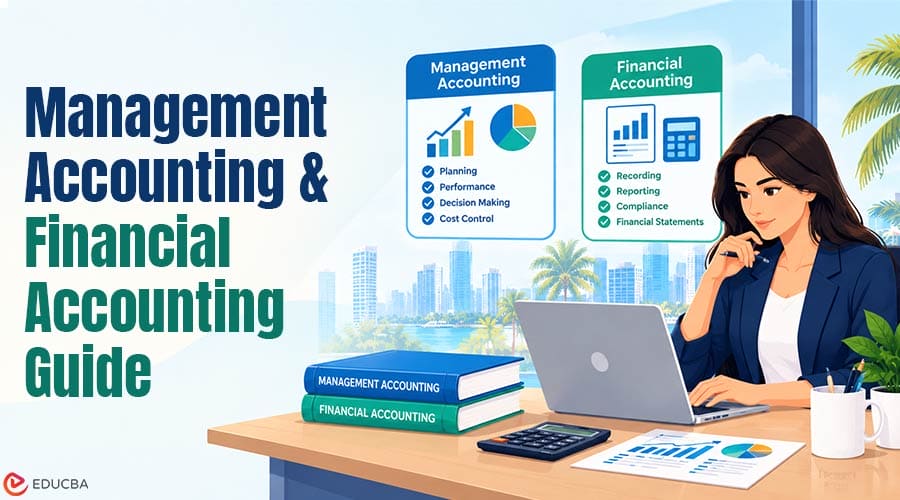
Understanding financial performance and operational efficiency is crucial for any business seeking long-term success. Management Accounting and Financial Accounting are two key areas of finance that support financial stability, performance evaluation, and informed decision-making. Both disciplines play vital roles in maintaining organizational stability and driving profitable growth. While these functions often overlap in daily operations, they serve distinct audiences and purposes. Mastering both areas allows finance professionals, managers, and business owners to gain a complete picture of an organization’s fiscal health.
The Role of Management Accounting in Internal Financial Strategy
Every successful corporate strategy depends on accurate internal data. Business leaders must evaluate product profitability, project upcoming operational expenses, and allocate resources efficiently across departments. This internal focus relies heavily on detailed reporting, budgeting models, and variance analysis.
Professional expertise in management accounting helps leaders assess operational efficiency and make informed tactical decisions. Unlike traditional reporting, which focuses primarily on historical records, internal financial management looks ahead to forecast future performance, evaluate cost structures, and optimize capital distribution.
Key Responsibilities of Internal Financial Strategists
- Cost Analysis and Control: Identifying direct and indirect costs helps companies price products accurately and eliminate operational waste.
- Budgeting and Forecasting: Building precise annual budgets and rolling financial projections helps organizations stay resilient during economic fluctuations.
- Performance Measurement: Setting key performance indicators enables department heads to track productivity and align daily activities with corporate goals.
- Strategic Decision Support: Evaluating potential investments, mergers, or expansion plans requires deep analysis of operational data and risk factors.
The Importance of Financial Accounting and External Reporting
While internal data guides managerial decisions, external stakeholders require transparent, standardized information to assess a company’s overall value and compliance. Investors, lenders, regulatory bodies, and tax authorities rely on standardized financial statements to verify financial health and operational integrity.
A comprehensive financial accounting course helps professionals develop the skills to prepare, analyze, and interpret balance sheets, income statements, and cash flow reports. Developing expertise in standardized reporting frameworks ensures that financial statements meet rigorous legal and regulatory standards.
Core Components of External Financial Reporting
- Balance Sheet Preparation: Summarizing assets, liabilities, and equity gives investors a clear snapshot of company solvency at a specific point in time.
- Income Statement Accuracy: Recording revenue, cost of goods sold, and operating expenses accurately reflects profitability over specific fiscal periods.
- Cash Flow Management: Monitoring operating, investing, and financing cash flows helps the business maintain liquidity to meet immediate debt obligations.
- Regulatory Compliance: Adhering to international financial reporting standards protects organizations from legal penalties and maintains investor confidence.
Integrating Management Accounting and Financial Accounting
Organizations perform more effectively when internal planning and external reporting work together. A disconnect between operational budgeting and financial reporting can result in inefficient resource allocation, inaccurate financial expectations, or unexpected liquidity challenges. Combining Management Accounting and Financial Accounting knowledge can help finance teams connect day-to-day operations with broader business objectives.
Management accounting provides detailed information about costs, efficiency, and future performance. Financial accounting, meanwhile, provides standardized information about the organization’s financial position and results. Together, these disciplines can give decision-makers a broader view of business performance.
Practical Benefits for Career Growth
Investing in professional training across both domains opens diverse career opportunities in corporate finance, consultancy, and executive leadership. Here are key benefits professionals experience after expanding their fiscal expertise:
- Sharper Strategic Vision: Understanding operational costs alongside overall financial statements allows professionals to craft realistic business plans.
- Enhanced Credibility with Stakeholders: Communicating effectively with internal team leads and external auditors builds professional trust.
- Greater Career Versatility: Dual knowledge prepares finance specialists for versatile roles ranging from senior financial analyst to chief financial officer.
- Stronger Risk Mitigation: Combining internal control evaluation with external compliance reduces the risk of fraud and financial distress.
Final Thoughts
Management Accounting and Financial Accounting serve different but complementary purposes within an organization. Management accounting provides internal insights that support budgeting, cost control, forecasting, and strategic decision-making. Financial accounting focuses on standardized reporting that helps external stakeholders understand an organization’s financial position and performance.
Understanding both disciplines can give finance professionals and business leaders a broader view of organizational performance. This combined perspective can support informed decision-making, effective resource management, and long-term business planning.
Recommended Articles
We hope this comprehensive guide to Management Accounting and Financial Accounting helps you understand their roles in business planning and financial decision-making. Check out these recommended articles for more insights and strategies to strengthen your accounting and finance knowledge.


