


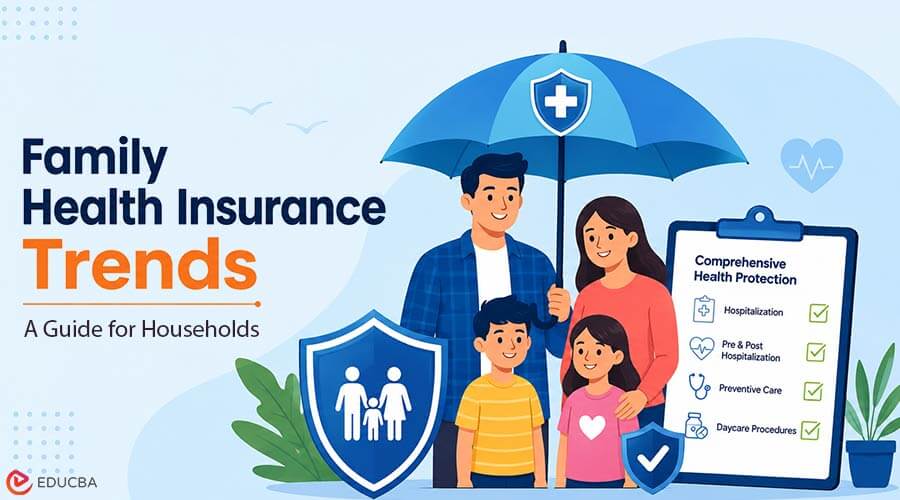
The way Indian households approach healthcare financing is changing. Rising medical costs, greater awareness of preventive care, and the growing use of digital healthcare services are influencing how families think about financial protection. Instead of viewing health cover as something needed only during a medical emergency, more households are considering it as part of their broader financial planning. These changes are also shaping what people look for when choosing health coverage. Understanding the latest family health insurance trends can help households assess whether their existing protection still matches their financial situation, family structure, and healthcare needs.
Key Family Health Insurance Trends to Know
These trends highlight key factors families should consider when evaluating their healthcare coverage and planning for future medical expenses.
1. Rising Focus on Comprehensive Health Protection
Healthcare expenses can arise from hospitalization, procedures, diagnostic tests, medicines, and follow-up care. As treatment costs rise, families are paying closer attention to the level of financial protection available, not just the premium. A suitable health insurance policy can help manage eligible medical expenses, subject to its terms, exclusions, and coverage limits. Families are increasingly looking beyond the basic sum insured and considering factors such as room-rent limits, network hospitals, waiting periods, and coverage conditions.
2. Growing Interest in Family-Focused Cover
Managing separate policies for multiple family members can complicate health planning. Family-oriented policies can cover several members under a common structure, depending on the product and eligibility conditions. Family health insurance is therefore gaining attention among households looking for a more consolidated approach to healthcare protection.
However, families should assess the ages, medical requirements, and healthcare needs of individual members before choosing a policy structure. A young family may have different requirements from a household that includes aging parents or members with specific healthcare needs.
3. Preventive Healthcare is Becoming More Important
Health protection is increasingly moving beyond hospitalization. Preventive healthcare, regular check-ups, and early detection can play a significant role in managing long-term health expenses. Many health insurance products now include or offer wellness and preventive care benefits, although exact coverage varies. Families should review what is included rather than assuming every policy provides identical benefits. Regular health monitoring can also help families spot potential concerns earlier and plan healthcare more proactively.
4. Digital Healthcare is Changing the Experience
Technology is becoming a bigger part of healthcare, from online consultations to digital policy management and cashless hospital networks. Policyholders may increasingly expect to access information, submit documents, and manage certain service requests digitally. This shift can make insurance administration more convenient, particularly for families managing policies for multiple members. However, convenience should still be considered alongside the quality and availability of the underlying coverage.
5. Greater Attention to Waiting Periods
Waiting periods are becoming an important consideration as consumers become more informed about policy conditions. Certain illnesses, pre-existing conditions, or specific treatments may have waiting periods before coverage becomes available. This means families should not wait until a medical issue arises before reviewing their protection. Buying coverage early and understanding applicable waiting periods can matter when planning long-term healthcare finances. Conditions vary by policy, so always review the wording carefully.
6. Personalization is Becoming More Relevant
Families do not necessarily have identical healthcare needs. A policy that works well for a household with young children may not suit a family with older members. As consumers become more aware of their options, they are more likely to choose coverage based on factors such as age, lifestyle, location, existing medical needs, and expected healthcare expenses. Rather than selecting a policy solely because it offers a large sum insured, families can consider whether the overall structure matches their likely requirements.
7. Rising Awareness of Out-of-Pocket Expenses
A health policy does not necessarily cover every medical expense in full. Deductibles, co-payments, exclusions, sub-limits and non-payable expenses can affect the amount a policyholder ultimately pays. Families are therefore paying closer attention to the difference between the total hospital bill and what may actually be covered. Understanding these conditions before purchasing a policy can make it easier to estimate the potential out-of-pocket contribution during a claim.
8. Healthcare Inflation and Coverage Adequacy
Medical inflation can gradually reduce the practical value of a fixed sum insured. Coverage that seems sufficient today may not provide the same financial protection several years later. This makes periodic policy reviews increasingly important. Families can reassess their coverage when household income, family size, age, or healthcare needs change. Increasing coverage when necessary may help keep protection aligned with changing medical costs.
9. The Importance of Comparing Policies Carefully
With more products and features available, comparing policies based only on premium can lead to an incomplete decision. Two policies with similar premiums may differ significantly in coverage limits, exclusions, waiting periods, hospital networks, and claim conditions.
Before choosing a policy, families should review the policy wording and understand what is covered, what is excluded, and what conditions apply to claims. It is also useful to consider the insurer’s service infrastructure and the availability of cashless healthcare facilities in locations where family members are likely to seek treatment.
10. Building Health Protection Into Financial Planning
Healthcare expenses can be unpredictable, which makes planning particularly important for households with multiple dependants. Insurance can form one part of a broader financial strategy alongside emergency savings and other forms of financial planning. The objective is not simply to buy the largest possible policy, but to create a level of protection that fits the family’s circumstances and remains affordable over the long term.
Final Thoughts
Family healthcare planning is becoming more informed, digital, and focused on long-term protection. Rising medical costs, greater awareness of policy conditions, preventive healthcare, and changing family needs are all influencing how households evaluate insurance.
As these family health insurance trends continue, families can benefit from reviewing their existing coverage periodically instead of treating insurance as a one-time purchase. Understanding exclusions, waiting periods, out-of-pocket costs, and coverage adequacy can help households make more informed decisions and prepare for healthcare expenses with greater confidence.
Recommended Articles
We hope this comprehensive guide to family health insurance trends helps you make more informed decisions about healthcare protection. Check out these recommended articles for more insights and strategies to plan your family’s healthcare and financial future.

