


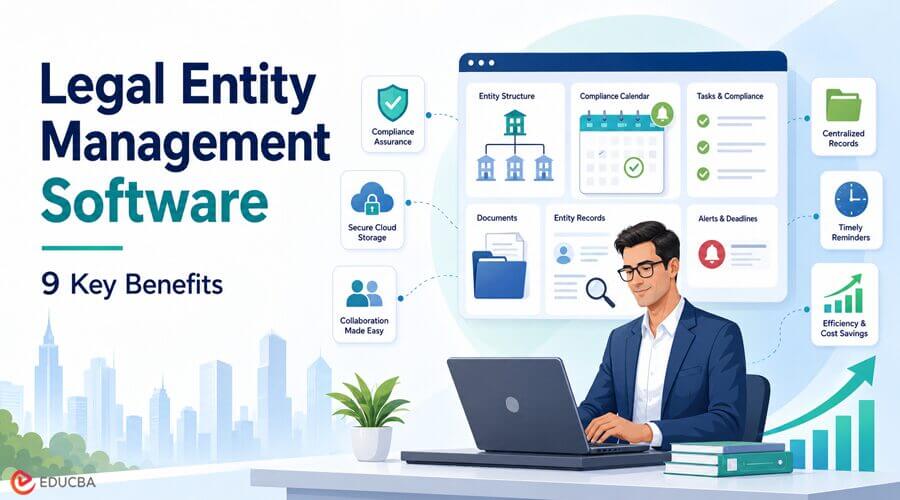
Corporate records rarely remain static. New subsidiaries appear, officers change, registrations expire, and reporting duties arrive at different times. Understanding the benefits of Legal Entity Management Software can help legal teams maintain accurate records, monitor obligations, and support sound corporate decisions. Spreadsheets may work for a small portfolio, but errors can multiply as structures expand. Legal entity management software gives companies a controlled way to maintain records, monitor obligations, and support sound corporate decisions.
A Centralized Record System
Separate folders and email threads make essential information difficult to verify. Legal professionals may need formation certificates, annual reports, ownership details, or board approvals in a single review. The benefits of legal entity management software include a single source for entity data, filing history, and supporting documents. That arrangement reduces search time, limits conflicting records, and gives authorized users reliable information for daily work.
Fewer Missed Deadlines
Annual reports, license renewals, registered agent matters, and ownership filings can follow different schedules. Missing a date may trigger penalties, administrative dissolution, or urgent corrective work. Legal entity management software can provide automated calendars and advance notifications before obligations become overdue. Legal teams can assign responsibility, record progress, and confirm completion without depending on individual calendars or memory.
Better Data Accuracy
Outdated officer names, incorrect addresses, or missing registration details can affect contracts, tax filings, banking requests, and transactions. A structured platform establishes consistent fields for essential corporate information. Standardized updates also reduce repeated data entry, which often introduces mistakes during routine maintenance. Accurate records help legal departments answer questions quickly and identify information that requires review.
Faster Internal Collaboration
Legal, tax, finance, and executive groups often need the same entity information for different reasons. Legal entity management software gives each department access based on defined permissions. This arrangement limits unnecessary email requests while protecting confidential records. Teams can review current details, find relevant documents, and answer internal questions without waiting for another department to search its files.
Stronger Compliance Oversight
Requirements differ by state, country, entity type, and registration status. A central dashboard can show open tasks, upcoming filings, completed submissions, and missing documents. Clear status information supports regular reviews before audits, acquisitions, financing events, or annual planning. Early visibility gives legal professionals time to correct gaps before a government notice or transaction exposes them.
Support for Business Growth
Business growth often adds subsidiaries, foreign registrations, assumed names, permits, and reporting duties. Manual tracking becomes harder to control with every new obligation. Software provides repeatable workflows that accommodate additional entities without creating a matching increase in administrative effort. Legal departments can preserve consistent procedures while supporting new locations, product lines, and ownership structures.
More Efficient Legal Operations
Routine entity work can occupy hours better spent on contracts, governance, risk assessment, and strategic advice. Legal entity management software can automate workflows, organize recurring assignments, and guide staff through defined steps. Filing information, document requests, and approval records can follow a common process. Fewer handoffs reduce delays and let attorneys focus on decisions that require legal judgment rather than repetitive administration.
Clearer Audit Preparation
Audits and internal reviews require evidence of registrations, approvals, filings, and historical changes. A structured archive helps authorized staff find those records without searching local drives or long email chains. Document histories may also show when information changed and who approved an update. Better preparation reduces interruptions during reviews and gives leadership a clearer view of corporate record quality.
Practical Cost Control
The financial value of entity software extends beyond reduced data entry. Timely reminders can help prevent late fees, reinstatement costs, and emergency filing work. Central records may also reveal duplicate services, inactive entities, or gaps in registration coverage. Companies can compare administrative effort to portfolio size and identify tasks that deserve automation or outside support.
Final Thoughts
Understanding the benefits of Legal Entity Management Software can help companies maintain accurate records, manage compliance deadlines, and improve collaboration across departments. Centralized information and automated workflows reduce repetitive work, minimize errors, and make audits and business growth easier to manage. For legal teams handling multiple entities, legal entity management software provides a more efficient way to support compliance, governance, and long-term business operations.
Recommended Articles
We hope this guide helps you understand how legal entity management software simplifies compliance and corporate record management. Explore these recommended articles for more insights into entity management, corporate compliance, governance, and legal operations.

