


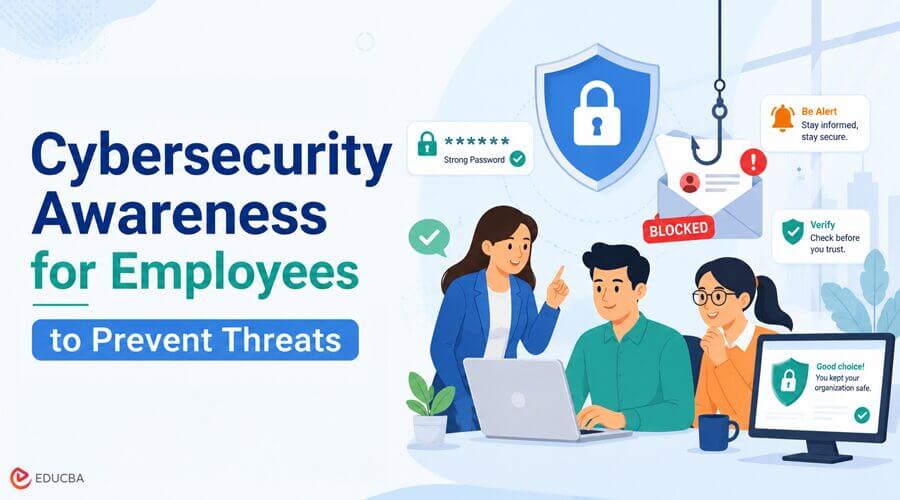
How prepared are your employees to recognize a cyberattack before it happens? Could your team identify a phishing email designed to steal company credentials? What would happen if one employee accidentally gave a cybercriminal access to sensitive business information?
These questions are becoming increasingly important as cyber threats continue to grow in frequency and sophistication. According to the IBM Security Cost of a Data Breach Report 2024, the global average cost of a data breach reached approximately $4.88 million, the highest average recorded to date. Human error is one of the leading causes of security incidents, with many breaches resulting from stolen credentials, phishing attacks, or employee mistakes. Additionally, the Verizon 2024 Data Breach Investigations Report found that the human element continues to play a major role in cybersecurity incidents, including social engineering attacks and credential misuse.
These statistics highlight an important reality: cybersecurity is not only a technology challenge; it is also a people challenge. Firewalls, encryption, and security software are important, but they cannot fully protect a business if employees do not know how to identify and respond to cyber threats. Improving cybersecurity awareness for employees helps reduce cyber risks and keep the organization more secure.
Why Does Cybersecurity Awareness for Employees Matter?
Many cyberattacks succeed because employees are unaware of the warning signs. Cybercriminals often target individuals because manipulating human behavior can be easier than bypassing advanced security systems. Attackers use phishing emails, fake websites, social engineering techniques, and fraudulent messages to trick employees into revealing confidential information or providing unauthorized access.
Cybersecurity awareness helps employees understand their role in protecting the company’s systems and data. Instead of viewing cybersecurity as only an IT responsibility, employees learn that their everyday decisions can influence the organization’s security.
Cybersecurity education should not be treated as a one-time activity. Because cyber threats constantly evolve, organizations should provide regular training sessions, updates, and practical exercises that help employees stay aware of new attack methods.
Teaching Employees About Common Cyber Threats
The first step in building cybersecurity awareness for employees is helping employees recognize the most common threats they may encounter.
Phishing is one of the most common cyber threats. Attackers send emails, text messages, or notifications that appear to come from trusted people or organizations, such as managers, coworkers, banks, or suppliers. These messages often create a sense of urgency by requesting immediate action, such as clicking a link, downloading an attachment, or confirming account details. Employees should learn to look for warning signs, including unfamiliar senders, unusual requests, spelling mistakes, suspicious links, and unexpected attachments.
Social engineering attacks are another major concern. These attacks rely on psychological manipulation rather than technical vulnerabilities. A criminal may impersonate a company executive, customer, or IT support employee to persuade someone to share information or approve a request. Employees should be encouraged to verify unusual instructions, even when they appear to come from trusted individuals.
Password security is also a critical area of employee education. Weak or reused passwords can allow attackers to access multiple accounts after a single compromise. Employees should use strong, unique passwords and turn on multi-factor authentication whenever possible.
Creating a Culture of Cybersecurity Awareness for Employees
Successful cybersecurity depends on fostering a workplace culture in which security is considered everyone’s responsibility. Employees should feel comfortable reporting suspicious emails, possible security issues, or mistakes without fear of punishment.
When workers are afraid to report incidents, small problems can become major breaches. Encouraging open communication allows security teams to respond quickly and reduce potential damage.
Company leaders play an important role in building this culture. Managers and executives should demonstrate good cybersecurity habits by following security policies, completing training, and supporting awareness initiatives. When leadership prioritizes security, employees are more likely to recognize its importance.
Using Modern Tools to Support Cybersecurity Awareness for Employees
Cybersecurity education should also evolve alongside new technologies. Organizations can combine employee training with advanced security tools to improve protection. For example, AI-powered security solutions can help detect unusual activity, analyze threats, and identify potential vulnerabilities more quickly.
Modern security testing approaches are also changing how organizations evaluate their defenses. AI pentesting uses artificial intelligence to simulate cyberattacks, identify security gaps, and help organizations improve their protection against real-world cyber threats.
However, technology should support, not replace, employee awareness. Even the best security systems are less effective if users do not understand safe digital habits.
Making Cybersecurity Training Effective
For cybersecurity education to succeed, training must be practical, engaging, and relevant to employees’ daily activities. Employees are more likely to remember lessons when they can apply them to realistic situations.
Organizations can improve training effectiveness by using methods such as:
- Regular cybersecurity awareness sessions.
- Simulated phishing exercises that teach employees how to identify suspicious messages.
- Short videos, quizzes, and security reminders.
- Clear policies explaining employee responsibilities.
- Examples of real cyber incidents and lessons learned.
Training should also be customized according to employee roles. Staff members who manage financial transactions, customer information, or confidential business data may require additional guidance based on the risks associated with their responsibilities.
Preparing Employees to Respond to Security Incidents
Even with strong cybersecurity practices, incidents can still occur. Employees need clear instructions on what to do when they encounter a possible threat.
Organizations should establish simple reporting procedures so employees know whom to contact and what information to provide. Quick reporting can help security teams investigate problems, contain threats, and prevent larger incidents.
Businesses should also regularly review their cybersecurity policies and update employee cybersecurity awareness training in response to new risks. Employee feedback can help identify where more training or better processes are needed.
The Long-Term Benefits of Cybersecurity Education
Investing in cybersecurity education provides benefits beyond preventing attacks. A security-aware workforce helps protect customer trust, maintain business operations, and strengthen an organization’s reputation.
As cybercriminals use more advanced attack methods, businesses cannot rely solely on technology to stay protected. Employees must become an active part of the defense strategy.
Cybersecurity education transforms employees from potential vulnerabilities into valuable defenders. Through continuous training, strong security practices, and a culture of responsibility, organizations can significantly reduce risks and improve their overall cybersecurity posture.
In today’s digital environment, every employee is part of the security team. Educating employees about cybersecurity threats is not simply a training requirement; it is a critical investment in the organization’s future safety and success.
Recommended Articles
We hope this guide helps you strengthen cybersecurity awareness for employees and reduce cyber risks. Explore these recommended articles for more insights into cybersecurity, phishing prevention, data protection, and security best practices.


